Care journey
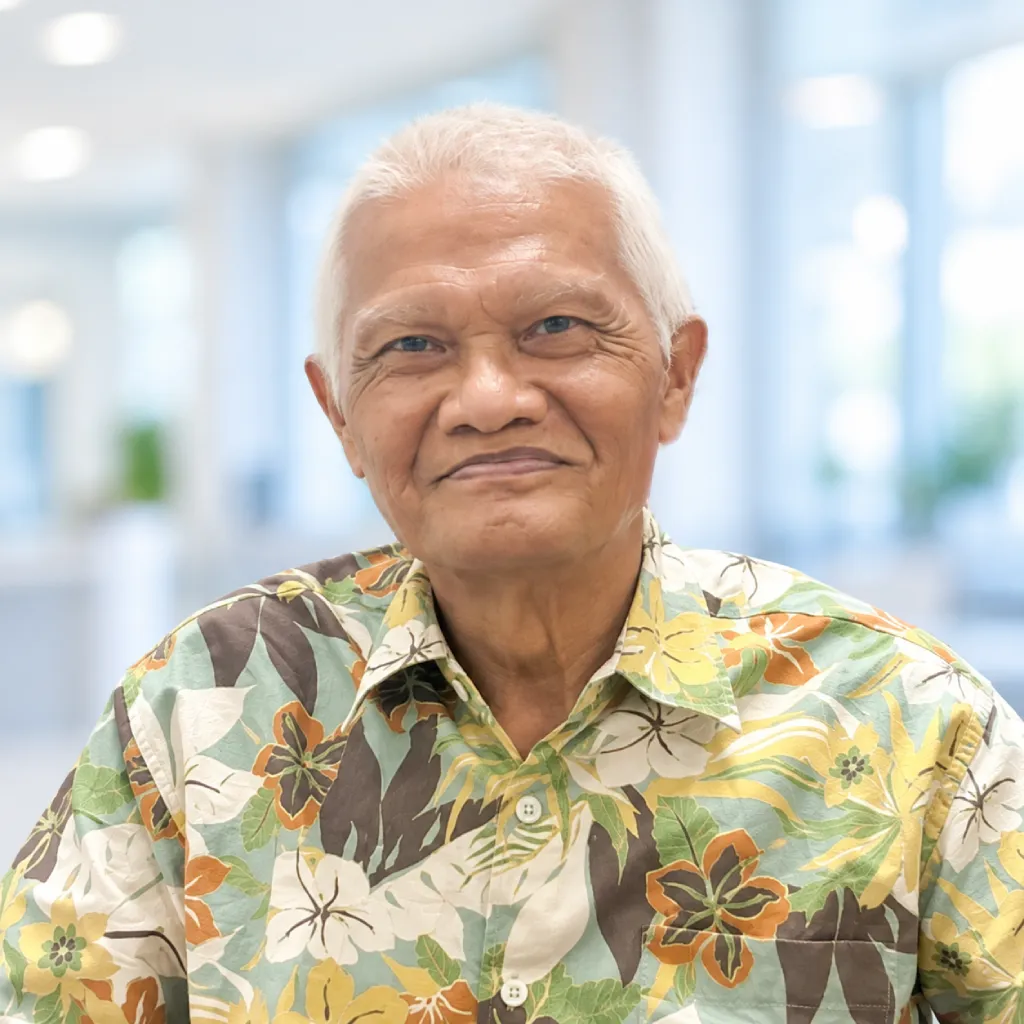
Mr. Adi's Story.
Mr. Adi is an active man. Alongside his work, he loves sports, from archery and cycling to football. However, he began to feel breathless and to have pain on the left side of his chest whenever he was active, for example when climbing stairs, exercising, or performing the umrah pilgrimage.
Symptoms He First Brushed Off
At first, Mr. Adi thought the symptoms came from fatigue or a sports injury. His wife had urged him to see a doctor soon, but he did not take it too seriously. Later he realized that those complaints had actually been symptoms all along.
Mr. Adi then had an electrocardiogram (ECG), a recording of the heart's electrical activity, and a treadmill test, which records the heart while walking on a treadmill. Neither showed any significant abnormality, even though his symptoms continued.
Seeking a Second Opinion at Heartology
Mr. Adi then sought a second opinion at Heartology, which offers CT calcium score testing. This test uses a CT scan to measure the amount of calcification in the heart arteries. The result took him by surprise. “When mine came out, I was shocked: 1,700, really high,” he said.
Next came cardiac catheterization, a procedure in which a thin tube is passed through a blood vessel to look directly at the heart arteries. This revealed a blockage of almost 90 percent. “It turned out to be 90 percent,” Mr. Adi recalled. Bypass surgery, an operation that creates a detour for blood to flow around the blocked artery, then became his treatment option. Mr. Adi admits he was afraid at first because bypass surgery sounded frightening, but in the end he chose to accept it and leave his care in the hands of the experts.
Recovery after Bypass Surgery
After surgery, Mr. Adi spent about two and a half days in the ICU and HCU before moving to a regular ward. In total, he stayed in hospital for about a week. His recovery included muscle exercises and walking, along with regular follow-up visits. The video also explains that the breastbone needs about three months to heal before he can return to strenuous activity.
At the time of filming, Mr. Adi was still recovering his muscle strength and his breastbone was still healing, but his breathing already felt much easier. “Thank God, now I can walk for an hour and still keep going, and it feels like I never run out of breath,” he said. From his experience, Mr. Adi encourages older adults to have their coronary calcium score checked. You can discuss which tests suit you with a cardiologist.
Every journey is different. This is a personal experience. Each person's condition, treatment options, and outcomes may differ.
Hear it directly
The Story in Their Own Words.
CT Calcium Score: A Heart Test That Can Detect Blockages Earlier
Watch the experience the patient shared on Heartology's channel. Length 21 minutes 22 seconds.
Watch on YouTube The video opens on YouTube in a new tab.