
Quick answer
What Is Serum Albumin Test?
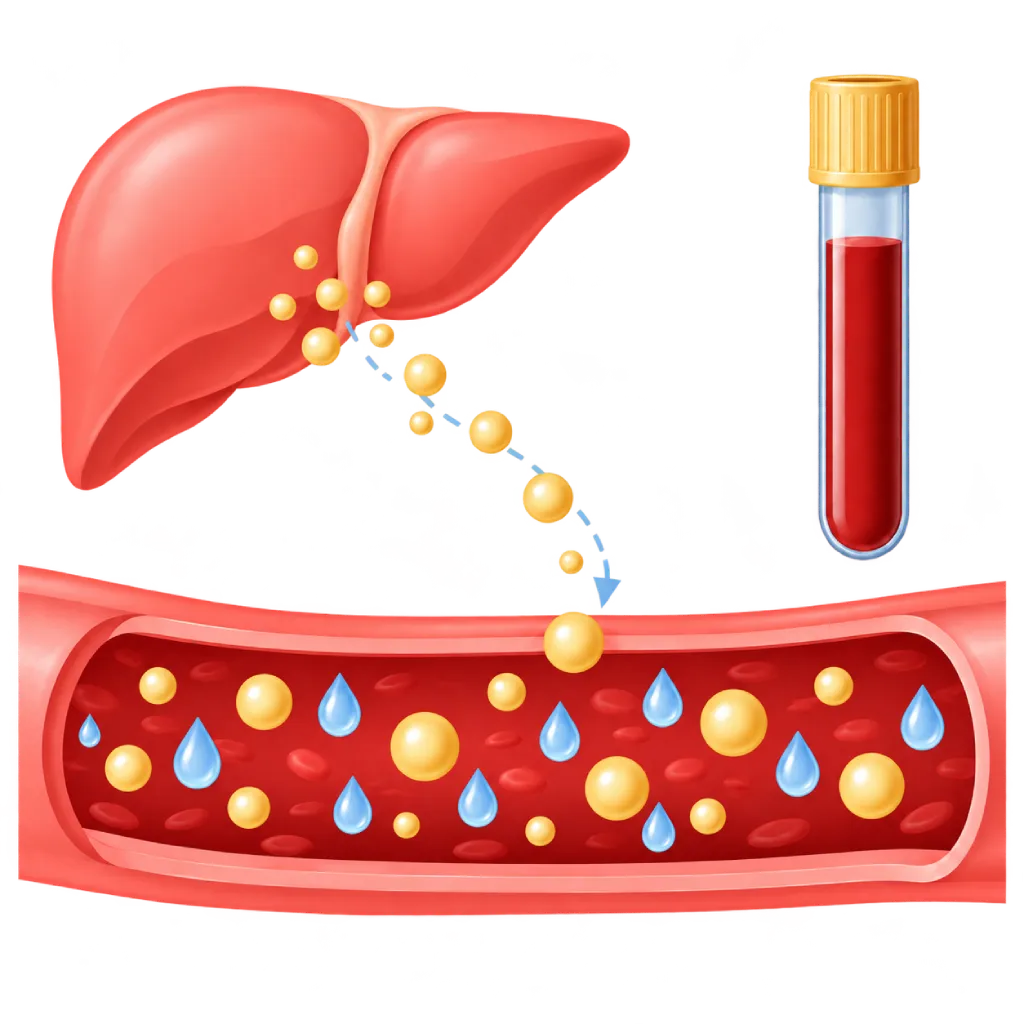
The serum albumin test measures the level of albumin, the main protein in the blood, which is made by the liver. Albumin keeps fluid inside the blood vessels and carries various substances. Low levels can be linked to swelling, liver or kidney disease, inflammation, malnutrition, or heart failure.
Sources01 / Understanding the procedure
About Serum Albumin Test
What Is Albumin
Albumin is the main protein in the blood and is made by the liver. Albumin works like a sponge that keeps fluid inside the blood vessels, so fluid does not easily seep into the tissues and cause swelling. Albumin also carries hormones, calcium, and many medicines throughout the body.
How It Works in Brief
Blood is drawn from a vein in your arm, then the laboratory measures the albumin level in grams per deciliter (g/dL). Albumin is often tested together with liver function tests, kidney function tests, or total protein, and the results are read together with your symptoms and other tests.
Reading the Results
The normal albumin level in adults is generally about 3.5 to 5.0 g/dL, but each laboratory has its own range.
- Low albumin: can be caused by liver disease, protein loss through the kidneys or intestines, severe inflammation or infection, heart failure, or severe and prolonged malnutrition.
- High albumin: rare, usually because the body is dehydrated.
Albumin changes slowly over weeks and drops easily when the body is inflamed. For this reason, albumin is not a stand-alone marker of nutrition, and your doctor assesses it together with your weight, eating pattern, and signs of inflammation.
Albumin and the Heart
In heart failure, low albumin is linked to swelling that is harder to treat, fluid buildup in the lungs or abdomen, and a higher risk of worsening. Low albumin can also signal inflammation, malnutrition, or liver and kidney problems that accompany heart disease, which helps your doctor plan your overall care.
02 / Understanding the procedure
When Is This Procedure Considered?
A doctor may consider this procedure in the situations below. The decision is always made after a thorough assessment.
- Swelling in the Legs or BodyTo find out whether the swelling is related to low albumin.
- Heart FailureLow albumin is linked to swelling that is harder to treat and a higher risk of worsening.
- Liver DiseaseThe liver makes albumin, so its level helps assess liver function.
- Kidney Disease or High Urine ProteinAlbumin can be lost in large amounts through the urine.
- Nutritional Problems or Weight LossAs part of a nutritional assessment, together with other tests.
- Before Surgery or During a Hospital StayHelps assess your general condition and need for nutritional support.
Situations to Consider First
- Serious Illness or InfectionInflammation temporarily lowers albumin, so results are read in light of your condition at the time.
- DehydrationCan make albumin appear higher than it really is.
- Recent Albumin Infusion or Large Amounts of FluidsResults may change, so tell the staff.
- PregnancyAlbumin naturally decreases slightly during pregnancy.
- Tourniquet Left on Too LongCan slightly raise the results. The staff remove it as soon as possible.
03 / Before the procedure
How Should You Prepare?
The albumin test uses a blood sample and generally does not require special preparation.
Food and drink. No fasting is needed, unless another test done at the same time requires fasting. Drink plain water as usual.
Medicines. Take your medicines as usual, and bring a list of your medicines.
Important information. Tell the staff if you are pregnant, ill or have a fever, have recently received an albumin infusion or transfusion, or have severe diarrhea and vomiting.
Previous results. Bring previous albumin, liver function, kidney function, or urine protein results so your doctor can see any changes.
Unsure about the preparation instructions? Ask our team before the procedure.
04 / During the procedure
How Is the Procedure Done?
The blood draw usually takes 10 minutes, and results are usually available on the same day.
Identity Check
The staff match your identity with the test request and ask about medicines and conditions that may affect the results.
Blood Draw
Blood is drawn from a vein in the crease of your elbow. The tourniquet is removed as soon as possible, because leaving it on for a long time can slightly raise the results.
Laboratory Analysis
The analyzer measures the albumin level in grams per deciliter (g/dL). Albumin is often tested together with liver function tests, kidney function tests, or total protein.
Reading the Results
Your doctor reads the results together with your symptoms, physical examination, liver and kidney function, urine protein, and signs of inflammation, because many conditions can lower albumin.
05 / Benefits and risks
Benefits and Risks Should Be Discussed Together.
Every medical procedure has benefits and risks. Your doctor will explain both for your situation before the procedure.
Benefits You Can Expect
- Simple and QuickOnly needs a small amount of blood, and results are usually available on the same day.
- Helps Find the Cause of SwellingDistinguishes swelling due to low albumin from other causes.
- A Picture of Liver and Kidney FunctionRead together with other tests to assess these two organs.
- Assessing Risk in Heart FailureLow albumin helps your doctor identify patients who need closer attention.
- Part of a Nutritional AssessmentTogether with other tests, helps plan nutritional support.
The benefits of a procedure are not a promise of a cure. Ask how the results will affect your care plan.
Risks You Should Know
- Minor Pain or BruisingAt the needle site, usually mild and quick to go away.
- Brief Dizziness or FaintingSome people feel dizzy when blood is drawn. Tell the staff so you can lie down.
- Results Affected by Temporary ConditionsInflammation, dehydration, or infusions can change the results, so a repeat test is sometimes needed.
- Infection at the Puncture SiteVery rare because the skin is cleaned and the equipment used is sterile and single-use.
Risks can differ from person to person. A full explanation and consent are given after an individual assessment.
06 / After the procedure
What Is Recovery Like?
There is no recovery period. You can return to your activities right away.
Puncture site. A small bruise is normal and goes away within a few days.
If your albumin is low. Your doctor looks for and treats the cause. If there is a nutritional problem, your doctor or a clinical nutrition doctor can plan a diet with enough protein and energy.
Monitoring. Albumin changes slowly, so a repeat test is usually done after a few weeks as advised by your doctor.
Warning signs to watch for. Go to the emergency room right away or contact the medical team if you experience:
- Swelling in the legs, abdomen, or face that increases quickly
- Shortness of breath, especially when lying down
- Yellowing of the skin or the whites of the eyes
- Very foamy urine with swelling
Know the Signs That Need Prompt Care.
Follow the team's guidance on warning signs. If severe or sudden symptoms appear after the procedure, go to the nearest emergency department right away or call Heart Attack Center 1500 258.
07 / Team and support
Doctors and Procedure Support
The doctors below are listed for this procedure. Listed by name, not by ranking.

dr. Juweni Joe, Sp.GK
Clinical Nutrition
Clinical focusMedical Nutrition Intervention · Nutrition for Cardiovascular Patients
View Profile
dr. Khaira U. Yusrie, Sp.PD-KGEH
Gastroenterology & Hepatology
Clinical focusInternal Medicine · Gastroenterology and Hepatology
View Profile
dr. Siska S. Danny, Sp.JP(K)
Interventional Cardiology
Coronary Intervention Procedures
Clinical focusPCI for Acute Coronary Syndrome · Primary Coronary Intervention
View Profile08 / Common questions
Before You Plan the Procedure.
Frequently asked questions about the serum albumin test. Your doctor will explain what the results mean for your condition.
What does albumin do in the body?
Albumin is the main protein in the blood and is made by the liver. Albumin keeps fluid inside the blood vessels, so fluid does not easily seep into the tissues and cause swelling. Albumin also carries hormones, calcium, and many medicines throughout the body, including some heart medicines.
What does low albumin mean?
Low albumin can be caused by liver disease, protein loss through the kidneys or intestines, severe inflammation or infection, heart failure, or severe and prolonged malnutrition. Because the causes vary, your doctor reads the results together with other tests to find the actual cause.
How is albumin related to heart disease?
In heart failure, low albumin is linked to swelling that is harder to treat and a higher risk of worsening. Low albumin can also signal inflammation, malnutrition, or liver and kidney problems that accompany heart disease. This result helps your doctor plan your overall care.
Is low albumin always caused by not eating enough protein?
Not always. Albumin more often drops because of inflammation, infection, liver disease, or protein loss through the kidneys. Albumin also takes several weeks to change, so it is not suitable for assessing short-term food intake. Nutrition is assessed by checking your weight, eating pattern, and other tests.
Do I need to fast before the albumin test?
No. The albumin test is not affected by the food you eat that day, so you can eat and drink as usual. If this test is done at the same time as other tests that require fasting, such as fasting blood sugar or cholesterol, follow the staff's fasting instructions for those tests.
How can I raise my albumin level?
The main step is treating the cause, for example treating an infection, liver disease, kidney disease, or heart failure. If there is a nutritional problem, your doctor or a clinical nutrition doctor can plan a diet with enough protein and energy. Albumin infusions are only given in certain situations, as decided by your doctor.
Sources and Medical Review
Translated from the Indonesian edition medically reviewed by dr. Siska S. Danny, Sp.JP(K).
Sources as cited in the Indonesian edition.
- Levitt DG, Levitt MD. Human serum albumin homeostasis: a new look at the roles of synthesis, catabolism, renal and gastrointestinal excretion, and the clinical value of serum albumin measurements. Int J Gen Med. 2016;9:229-255.
- Horwich TB, Kalantar-Zadeh K, MacLellan RW, et al. Albumin levels predict survival in patients with systolic heart failure. Am Heart J. 2008;155(5):883-889.
- Arques S. Human serum albumin in cardiovascular diseases. Eur J Intern Med. 2018;52:8-12.
- Cederholm T, Jensen GL, Correia MITD, et al. GLIM criteria for the diagnosis of malnutrition: A consensus report from the global clinical nutrition community. Clin Nutr. 2019;38(1):1-9.