Quick answer
Primary PCI is an emergency procedure to open a blocked coronary artery in a type of heart attack called STEMI. The doctor inserts a catheter through a blood vessel in the wrist or groin, then opens the blockage with a balloon and places a stent. When performed promptly after symptoms appear, Primary PCI may help lower the risk of death and heart muscle damage compared with thrombolysis.
Certain Signs May Need Urgent Help.
If symptoms are severe or come on suddenly, go to the nearest emergency department right away or call Heart Attack Center 1500 258. Do not wait for a scheduled consultation.
Primary PCI may help lower the risk of serious complications in patients with an acute heart attack, which is why it is considered the gold standard in heart attack treatment.
A heart attack is a medical emergency that requires fast and appropriate treatment. Every minute counts in saving a life and minimizing permanent damage to the heart.
One of the medical procedures recommended for treating a heart attack is Primary PCI (Primary Percutaneous Coronary Intervention).
What Is Primary PCI?
Primary PCI is an invasive medical procedure performed to open a blocked coronary artery in patients having a heart attack known as STEMI (ST-Elevation Myocardial Infarction).
The importance of Primary PCI in treating an acute heart attack lies in its ability to reduce the risk of death and serious complications. During a heart attack, blood flow to part of the heart stops because a blood clot has formed. Primary PCI promptly opens this blockage and restores blood flow. Based on data from various studies, Primary PCI performed within the optimal time after symptoms appear significantly reduces mortality and improves patients’ clinical outcomes compared with thrombolytic methods.
Difference Between Primary PCI and Elective PCI
The main difference between Primary PCI and Elective PCI lies in their urgency and purpose. Primary PCI is performed as an emergency procedure in cases of acute heart attack to quickly restore blood flow and prevent further damage to the heart.
In contrast, Elective PCI is planned in advance to treat coronary artery blockages that have not yet caused a heart attack but may increase the risk of one. In Elective PCI, time is not as critical a factor as it is in Primary PCI, and the procedure is usually performed after a thorough evaluation based on the patient’s symptoms and diagnostic tests.
What Is the Primary PCI Procedure?
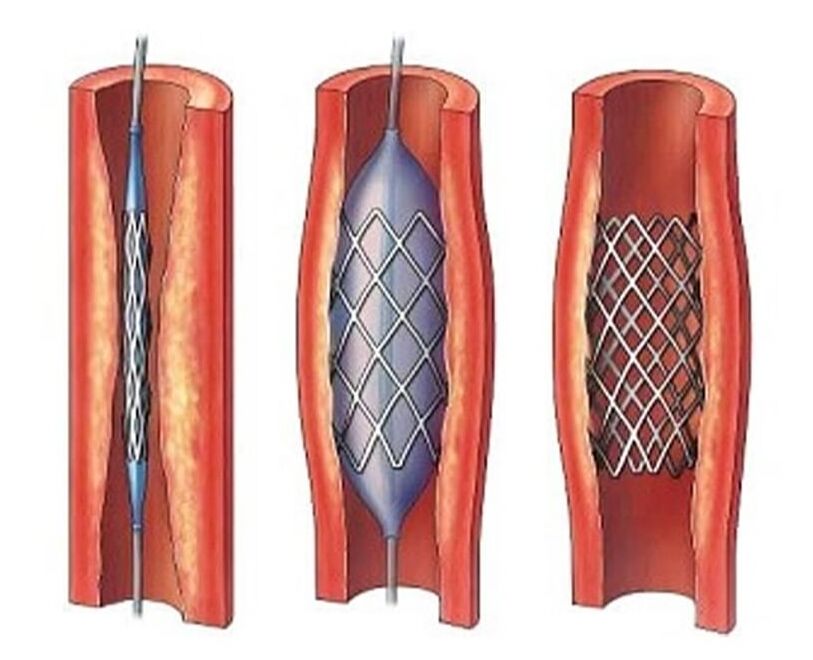
Primary PCI, or Primary Percutaneous Coronary Intervention, is a fast and effective procedure that aims to open a coronary artery blocked during a heart attack. The procedure is performed immediately after diagnosis to make sure blood flows back to the heart muscle, helping to prevent further damage. Because of its speed and effectiveness, Primary PCI has become the gold standard in heart attack treatment, especially for people experiencing STEMI.
Steps of the Primary PCI Procedure
Here are the steps of the Primary PCI procedure:
- Local Anesthesia: The procedure begins with local anesthesia to keep the patient comfortable throughout.
- Vascular Access: A catheter is inserted through a blood vessel in the wrist (Radial Access) or the groin (Femoral Access).
- Coronary Angiography: X-ray imaging and contrast dye are used to map the location and severity of the blockage.
- Balloon Angioplasty: A small balloon at the tip of the catheter is inflated to open the blockage.
- Stent Placement: A stent is placed to keep the artery open and prevent it from becoming blocked again.
Equipment Used in the Primary PCI Procedure
The following equipment is used in the Primary PCI procedure:
- Catheter: A flexible tube inserted into a blood vessel and used to guide other instruments to the blocked area.
- Angioplasty Balloon: A device used to widen the artery by pressing the blocking plaque against the artery wall.
- Stent: A small metal tube placed in the artery to keep it open after the angioplasty procedure.
- Guidewire: Helps navigate medical instruments to the right location in the heart.
- Thrombectomy Equipment: Sometimes used to remove a blood clot that is obstructing the artery.
Comparison of Primary PCI and Thrombolysis
Thrombolysis is an alternative therapy that uses medication to dissolve blood clots blocking the heart’s blood vessels. Thrombolysis is often chosen when Primary PCI cannot be performed promptly, for example because of limited access to a facility capable of performing Primary PCI.
Although both aim to open blocked blood vessels, Primary PCI is generally more effective than thrombolysis at opening the blockage and improving blood flow to the heart. Primary PCI also generally has a higher success rate and a lower complication rate than thrombolysis, especially in cases of STEMI.
However, thrombolysis remains an important option in emergencies where Primary PCI is not available or not feasible. The choice of the right treatment method will always be based on a thorough evaluation of the patient’s condition and the facilities available.
Benefits of Primary PCI
Primary PCI offers a range of significant benefits for patients having an acute heart attack, especially STEMI. The procedure may improve the chances of survival and the patient’s quality of life after a heart attack.
- Reduced Mortality and Morbidity:
- Primary PCI has been shown to significantly reduce deaths from heart attack. The procedure allows a blocked artery to be opened quickly, minimizing damage to the heart muscle and improving the chances of recovery.
- According to data from several international studies, patients who undergo primary PCI have a lower risk of death than patients who receive thrombolytic therapy alone *. (* Source: National Library of Medicine, Patients undergoing primary PCI have a lower risk of death compared to patients who only receive thrombolytic therapy)
- Better Recovery of Heart Function:
- By restoring blocked blood flow more quickly, Primary PCI may help the heart recover its function better.
- The procedure helps prevent further damage to heart tissue, which often leads to a faster and more complete recovery.
- Improved Quality of Life After a Heart Attack:
- Patients who have undergone Primary PCI usually report an improved quality of life, including a better ability to carry out activities and fewer symptoms of heart failure.
- This treatment may also lower the risk of a repeat heart attack, which means patients can go on with their daily lives with more confidence and comfort.
- Statistical Data and Scientific Studies Supporting the Benefits of Primary PCI:
- Research and data from organizations such as the American Heart Association show lower mortality in patients who receive Primary PCI compared with medication alone *. (* Source: American Heart Association, 2021 ACC/AHA/SCAI Guideline for Coronary Artery Revascularization: A Report of the American College of Cardiology/American Heart Association Joint Committee on Clinical Practice Guidelines)
- Other studies also show that Primary PCI is effective in lowering the risk of serious complications in patients with an acute heart attack, confirming its status as the gold standard in heart attack treatment *. (* Source: National Library of Medicine, Percutaneous Coronary Intervention)
Risks and Complications of Primary PCI
Like other invasive medical procedures, Primary PCI carries potential risks and complications. Although the benefits of Primary PCI are significant, it is important to understand the potential complications so that patients can prepare themselves and discuss them with their doctor.
Possible Complications That May Occur:
Complications can occur during or after the Primary PCI procedure. Some of the possible complications include:
- Bleeding: Bleeding at the catheter insertion site is the most common complication. Most bleeding is mild and can be managed easily, but in some cases more serious bleeding may occur and require medical intervention.
- Allergic Reaction: An allergic reaction to the medications used during the procedure is a rare possibility but one to watch out for.
- Blood Clot Formation: Although Primary PCI aims to open blood vessels, there is a risk of new blood clots forming at the procedure site or elsewhere in the body.
- Blood Vessel Damage: In some cases, blood vessels may be damaged during the procedure. This can lead to complications such as a hematoma (a collection of blood under the skin) or a pseudoaneurysm (an abnormal bulge in the blood vessel wall).
- Abnormal Heart Rhythm: Heart rhythm disorders, such as arrhythmia, can occur during or after the procedure. This condition can usually be managed with medication.
- Stroke: Although rare, there is a risk of stroke during the procedure because the blood vessels are manipulated.
- Recurrent Myocardial Infarction: In rare cases, a second heart attack can occur during or after the procedure.
- Arrhythmia: Heart rhythm disturbances can occur as a result of irritation of the heart during the procedure.
However, the risk of these complications is far smaller than the risk of death or heart muscle damage in heart attack patients who do not receive proper treatment.
Cost and Accessibility
Primary PCI is a procedure that can save lives, but its cost and accessibility can be obstacles in many healthcare settings. Differences in resources and health systems across countries and regions can affect access to this procedure and its cost.
Cost Implications:
The cost of Primary PCI can be quite high, depending on several factors such as:
- Healthcare facility: Hospitals in large cities or private hospitals tend to charge more than regional hospitals or government hospitals.
- Technology used: The use of advanced technology, such as drug-eluting stents or more advanced imaging systems, can increase the cost of the procedure.
- Length of stay: The length of the hospital stay after the procedure can also affect the overall cost.
- Medication costs: The cost of post-procedure medications, such as aspirin, clopidogrel, and statins, also needs to be considered.
The high cost of Primary PCI can be a barrier for patients, especially those without adequate health insurance or those living in areas with limited access to healthcare services.
Accessibility:
Access to Primary PCI is influenced by several factors:
- Availability of facilities: Not every hospital has the facilities and equipment needed to perform Primary PCI. Hospitals in remote or less developed areas may not have access to advanced equipment or trained medical staff.
- Availability of trained medical staff: Primary PCI requires a trained and experienced medical team. A shortage of trained medical staff can limit access to this procedure in some areas.
- Referral system: An efficient referral system is essential to make sure patients who need Primary PCI can be referred quickly to the appropriate facility. A poor referral system can delay care and negatively affect patient outcomes.
- Government policy: Government policies on funding and access to healthcare services strongly influence the accessibility of Primary PCI. Countries with strong health systems and adequate funding tend to have better accessibility than countries with weak health systems.
Heartology Cardiovascular Hospital provides Primary PCI services handled by cardiologists.
The cost of the procedure depends on the patient’s condition and the procedure performed. You can see a general overview of costs on the Coronary Stent Placement Cost page.
Get Urgent Help First.
If symptoms are severe or come on suddenly, do not wait for a scheduled consultation. Go to the nearest emergency department right away.
The information on this page is for educational purposes and does not replace medical consultation, diagnosis, or treatment. For any health concerns, please consult a doctor directly.Doctors Related to This Topic

dr. Adrianus Kosasih, Sp.JP(K)
Interventional Cardiology
Coronary Intervention Procedures
Clinical focusPrimary Coronary Intervention · PCI for Acute Coronary Syndrome
View Profile
dr. Siska S. Danny, Sp.JP(K)
Interventional Cardiology
Coronary Intervention Procedures
Clinical focusPCI for Acute Coronary Syndrome · Primary Coronary Intervention
View Profile
dr. Puti S. Saus, Sp.JP(K)
Interventional Cardiology
Coronary Intervention Procedures
Clinical focusAcute Coronary Syndrome · Primary Coronary Intervention
View ProfileFrequently Asked Questions.
Here are some frequently asked questions about Primary PCI.
Is Primary PCI Available at All Hospitals?
Not every hospital has the facilities for Primary PCI. Hospitals with more complete cardiology facilities and trained medical teams are more likely to offer this service.
What Is the Average Cost of a Primary PCI Procedure?
The cost of Primary PCI varies depending on the hospital's location, the type of stent used, and insurance coverage. In some countries, the cost can be quite high.
What Are the Alternatives If Primary PCI Is Not Available?
If Primary PCI is not available, thrombolytic therapy can be an alternative to dissolve the blood clot, although in many cases it is less effective than Primary PCI.
Sources and Transparency.
The information on this page is for educational purposes and does not replace medical consultation, diagnosis, or treatment. For any health concerns, please consult a doctor directly.
If you find information that needs clarifying, let us know through our Contact Us page.