
Quick answer
Early stroke symptoms can be recognized with the acronym FAST: a drooping face, one arm that is weak or cannot be raised, slurred speech, and time to seek emergency help right away. Recovery usually involves physical therapy, speech therapy, and occupational therapy. Prevention involves controlling blood pressure, cholesterol, and blood sugar, quitting smoking, and exercising regularly.
Certain Signs May Need Urgent Help.
If symptoms are severe or come on suddenly, go to the nearest emergency department right away or call Heart Attack Center 1500 258. Do not wait for a scheduled consultation.
Stroke is a serious condition that can happen at any time and to anyone, so it is important for us to recognize its symptoms quickly.
Did you know that a stroke can strike anyone at any time, even when you feel perfectly healthy? Imagine going about your day as usual, and then suddenly your life changes drastically. That is what a stroke can do: a sudden attack that can cause paralysis and even take a life.
Stroke is a serious health problem in Indonesia. In Indonesia, stroke has become one of the main causes of death and disability. In recent years, data from the Indonesian Ministry of Health (Kemenkes) has shown that the prevalence of stroke in Indonesia has reached about 10.9 per 1,000 people. This figure is very concerning and is a warning sign that we all need to watch out for. Beyond the numbers, behind every statistic there are real stories, lives that have changed drastically, dreams put on hold, and more.
Understanding stroke and how to prevent it is an important step in protecting yourself and your loved ones. This article covers everything you need to know about stroke, from early symptoms to effective prevention steps.
What Is Stroke?
A stroke is a serious medical condition that occurs when blood flow to the brain is cut off or blocked. This deprives brain cells of the oxygen and nutrients they need, which can cause permanent damage within a very short time. The longer the brain goes without blood flow, the greater the damage will be. A stroke requires immediate medical attention to improve the chances of recovery.
Types of Stroke
- Ischemic Stroke: This is the most common type of stroke, occurring when a blood vessel in the brain is blocked by a blood clot or fatty deposits. The clot can form at a site where the blood vessel has already narrowed due to cholesterol or heart disease.
- Hemorrhagic Stroke: Unlike an ischemic stroke, a hemorrhagic stroke occurs when a blood vessel in the brain ruptures and causes bleeding. This bleeding can be caused by high blood pressure or a weakened blood vessel (aneurysm).
Common Effects of Stroke
A stroke can have wide-ranging effects on the body’s abilities. Common effects include:
- Difficulty Speaking: People who have had a stroke often have problems with their ability to speak or understand what others say.
- Weakness or Paralysis: Many people experience weakness on one side of the body, which can limit their ability to move or carry out daily activities.
- Cognitive Impairment: A stroke can also affect thinking, memory, and decision-making. This can disrupt a person’s sense of independence and quality of life.
Stroke Symptoms
Stroke is a serious condition that can happen at any time and to anyone, so it is important for us to recognize its symptoms quickly. In this section, we will discuss the various signs of stroke to watch out for, from common symptoms that are easy to recognize to symptoms that may be less well known.
Common Symptoms
Stroke symptoms can be recognized quickly using the acronym FAST, which covers four main components:
- F (Face): Notice whether one side of the face looks droopy or uneven. Ask the person to smile; if the smile is lopsided, it may be a sign of stroke.
- A (Arms): Ask them to raise both arms. If one arm drifts down or cannot be raised, it is a serious sign.
- S (Speech): Ask them to repeat a simple sentence. If their speech is slurred or they have trouble saying words, this may be a sign of stroke.
- T (Time): If you suspect someone is having a stroke, contact emergency services right away. Time is crucial in reducing permanent damage.
Unusual Symptoms
Besides the common symptoms, there are some symptoms that may be less well known but are still important to watch for:
- Sudden Headache: This can be a sign of stroke, especially if accompanied by other symptoms. A very severe headache may indicate bleeding in the brain.
- Sudden Dizziness: Sudden dizziness and poor balance can be an indicator that something is wrong in the brain.
- Vision Changes: Double vision or loss of vision in one eye can also be a symptom of stroke.
Knowing and recognizing the symptoms of stroke is crucial, because quick action can save lives. Every second that passes can increase the risk of permanent brain damage. If you or someone around you shows these symptoms, do not hesitate to seek medical help immediately. Prompt and appropriate treatment can make a big difference in recovery and quality of life after a stroke.
Stroke Risk Factors
In this section, we will discuss the various risk factors that can and cannot be changed, and how both affect the chances of having a stroke. By understanding these factors, you can take the right preventive steps and improve your quality of life.
Modifiable Risk Factors
Some stroke risk factors can be changed or managed through lifestyle changes and treatment. Here are some of them:
- High Blood Pressure: This is a major risk factor for stroke. According to data from the Indonesian Ministry of Health (Kemenkes), about 34% of adults in Indonesia have hypertension *. Controlling blood pressure through a healthy diet, exercise, and medication can reduce the risk of stroke. (* Source: Sehat Negeriku Sehat Bangsaku, Kemenkes: Hipertensi Penyakit Paling Banyak Diidap Masyarakat)
- High Cholesterol: High cholesterol levels can cause plaque to build up in blood vessels and restrict blood flow. About 39% of adults in Indonesia have high cholesterol *. Adopting a healthy diet and exercising regularly can help lower cholesterol. (* Source: Indonesian Journal of Global Health Research: Jurnal Penelitian Perawat Profesional)
- Diabetes: People with diabetes have a higher risk of stroke. Data show that the prevalence of diabetes in Indonesia is rising, reaching more than 10% *. Managing blood sugar levels through diet, exercise, and treatment is an important step in reducing the risk. (* Source: Diabetes Indonesia: Kasus Diabetes di Indonesia Posisi 5 Besar Dunia, Indikator Kandungan Gula pada Produk Bantu Intervensi)
- Obesity: Excess body weight (obesity) contributes to several other stroke risk factors, including diabetes and high blood pressure. According to health surveys, about 28% of Indonesia’s population is classified as obese *. Managing your diet and increasing physical activity can help address this problem. (* Source: Kebijakan Kesehatan Indonesia: Indonesia Masuk 10 Besar Obesitas Tertinggi)
- Smoking: Smoking increases the risk of blood clots and blood vessel damage, which can lead to stroke. Reports show that the prevalence of smoking among Indonesian adults has reached 28.62% *. Quitting smoking is one of the important steps in reducing the risk. (* Source: P2PTM Kemenkes Indonesia: Perokok Aktif di Indonesia Tembus 70 Juta Orang, Mayoritas Anak Muda)
- Lack of Physical Activity: An inactive lifestyle can increase the risk of stroke. Data show that about 70% of adults in Indonesia do not get enough physical activity *. Exercising regularly can help keep your heart and blood vessels healthy. (* Source: P2PTM Kemenkes Indonesia: Semakin Banyak Orang Dewasa Terancam Penyakit Karena Kurang Olahraga)
- Unhealthy Diet: A diet high in saturated fat, sugar, and salt contributes to various stroke risk factors. Switching to a healthier diet with plenty of vegetables, fruit, and whole grains can help reduce the risk.
Non-Modifiable Risk Factors
Although many stroke risk factors can be changed, some cannot, namely:
- Age: The risk of stroke increases with age. After age 55, the risk of stroke becomes higher because blood vessels tend to decline in function.
- Sex: Men have a higher risk of stroke than women, although women tend to have more severe strokes when they occur.
- Family History: If a family member has had a stroke, your risk of having one also increases. Genetic factors can play a role in a person’s susceptibility to this condition.
Preventing Stroke
Preventing stroke is very important for maintaining heart health and improving quality of life. In this section, we will discuss protective steps you can take to prevent stroke, from a healthy lifestyle to routine health monitoring. By making small changes to your daily habits, you can significantly reduce your risk of stroke.
1. Healthy Lifestyle
Adopting a healthy lifestyle is a key step in preventing stroke. Here are some recommendations you can apply:
- Healthy Diet: Eating nutritious food rich in fiber, vegetables, fruit, and whole grains is very important for heart health. Cut back on salt, sugar, and saturated and trans fats. Choose healthy fats such as those found in fish, nuts, and olive oil.
- Regular Exercise: Routine physical activity can help maintain body weight, lower blood pressure, and improve heart health. It is recommended to get at least 150 minutes of moderate exercise every week, such as brisk walking, cycling, or swimming.
- Weight Control: Maintaining an ideal body weight is very important for reducing the risk of stroke. Excess weight can raise blood pressure, cholesterol, and the risk of diabetes.
- Quit Smoking: If you smoke, quitting is one of the important steps in reducing the risk of stroke. Smoking damages blood vessels and increases the likelihood of blood clots. Support from family and friends means a lot in this process.
- Stress Management: Long-term stress can affect heart health. Try relaxation techniques such as meditation, yoga, or hobbies you enjoy to reduce stress in your life.
2. Routine Health Checkups
Having regular health checkups is very important for detecting and managing stroke risk factors. These checkups include measuring blood pressure, cholesterol levels, and testing for diabetes. By knowing your health status, more appropriate and proactive preventive steps can be taken. Keeping good communication with your doctor also helps in adjusting a care plan that fits your health needs.
By living a healthy lifestyle and monitoring your health regularly, you can significantly reduce your risk of stroke and improve your quality of life.
Stroke Treatment and Recovery
After a stroke, proper treatment and effective recovery are key to minimizing long-term effects. In this section, we will discuss important steps in emergency medical care, the various types of rehabilitation therapy that can help patients recover, and the importance of long-term support from family and friends.
1. Emergency Medical Care
After someone has a stroke, prompt and appropriate medical treatment is very important. In the hospital, emergency care usually involves thrombolytic therapy, which is medication given to dissolve the clot blocking blood flow to the brain. This therapy needs to be given within three to four and a half hours after stroke symptoms appear.
In addition, in some cases surgery may be needed to remove a blood clot or repair a ruptured blood vessel. Prompt treatment can minimize brain damage and improve the chances of a good recovery.
2. Rehabilitation Therapy
Recovery after a stroke often requires rehabilitation therapy to help patients return to normal function. Some important types of therapy include:
- Physical Therapy: Focuses on improving mobility and muscle strength through physical exercise. It helps patients move and carry out daily activities.
- Speech Therapy: Helps patients who have difficulty communicating to regain the ability to speak and understand language, using special exercises and techniques.
- Occupational Therapy: Focuses on helping patients carry out daily activities, such as eating, dressing, and self-care. This therapy aims to increase the patient’s independence.
3. Long-Term Support
Recovery after a stroke is not only a medical responsibility; it also involves support from family and friends. Emotional and practical support from loved ones is very important for boosting the patient’s motivation during rehabilitation.
Families can play an active role by helping the patient through therapy and creating a safe and supportive environment at home. Social interaction can also help speed up recovery and improve the patient’s quality of life.
Myths and Facts About Stroke
People often have misconceptions about stroke, which can hinder efforts to prevent and treat this condition. Here are some common myths about stroke that we will debunk with scientific facts:
Myth: Stroke Only Happens to Older People
Fact: Although the risk of stroke increases with age, stroke can happen to anyone, including young adults and even children. Some stroke cases also occur in people under the age of 50.
Myth: Only People With a Family History Are at Risk of Stroke
Fact: Although family history can increase the risk, many people without a family history of stroke are still at risk. Lifestyle factors, such as diet and physical activity, play a big role in determining a person’s risk.
Myth: Stroke Only Affects the Body, Not Mental Health
Fact: A stroke can have wide-ranging effects, including mental health problems such as depression and anxiety. Many stroke patients experience significant emotional changes, so psychological support is also important during recovery.
Myth: Once You Recover From One Stroke, There Will Be No More Strokes
Fact: Having one stroke increases the risk of having a second stroke. That is why it is very important to take preventive steps after receiving treatment, such as following the rehabilitation plan and maintaining a healthy lifestyle.
Myth: Stroke Only Happens to People With High Blood Pressure
Fact: Although high blood pressure is a major risk factor, stroke can also happen to people with normal blood pressure. Other factors, such as high cholesterol, diabetes, smoking, and an inactive lifestyle, also contribute to the risk of stroke.
Myth: People Who Have Had a Stroke Can Never Fully Recover
Fact: Many people who have had a stroke can make a remarkable recovery with proper treatment and consistent rehabilitation. Physical therapy, speech therapy, and psychosocial support can help patients regain their abilities significantly.
Conclusion
In this article, we have discussed various important aspects of stroke, from its definition, symptoms, and risk factors to the prevention steps and care needed. Stroke is a serious condition that can happen to anyone.
The importance of a quick response and proper first aid cannot be overstated. Stroke symptoms such as sudden paralysis or difficulty speaking must be responded to quickly so that the necessary treatment can be given before more severe brain damage occurs. Every second counts in this situation.
Protect yourself and your family from the risk of stroke. Have routine health checkups to detect existing risk factors, and adopt a healthy lifestyle with a good diet and enough physical activity.
Remember that the information in this article is educational and is not a substitute for professional medical advice. If you have symptoms or risk factors for stroke or cardiovascular disease (disease of the heart and blood vessels), consult a specialist doctor right away or visit Heartology Cardiovascular Hospital for proper evaluation and care.
Get Urgent Help First.
If symptoms are severe or come on suddenly, do not wait for a scheduled consultation. Go to the nearest emergency department right away.
The information on this page is for educational purposes and does not replace medical consultation, diagnosis, or treatment. For any health concerns, please consult a doctor directly.Doctors Related to This Topic
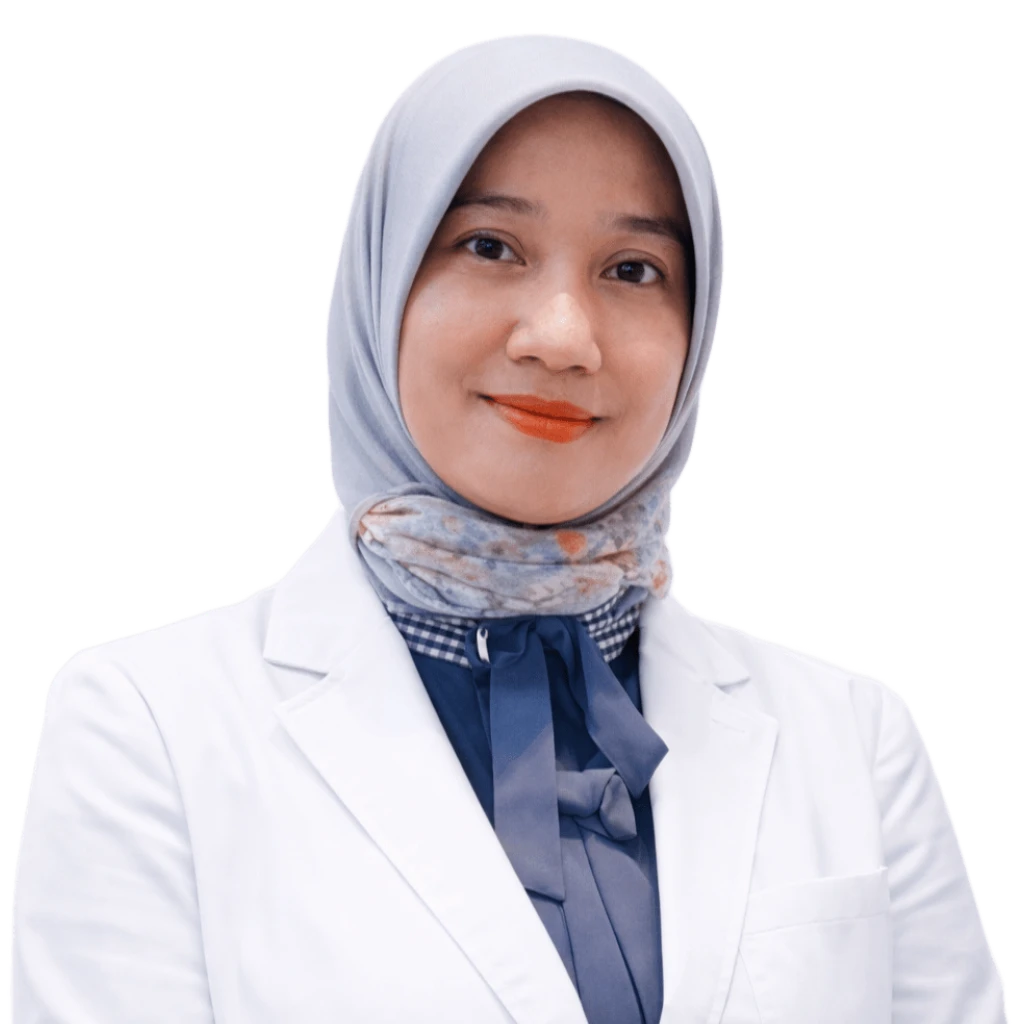
dr. Indah A. Putri, Sp.N, Subsp, NIOO(K), MSc
Neurovascular, Interventional, Otology, Imaging, and Ophthalmology
Clinical focusStroke and Cerebrovascular Disease · Neurosonology
View Profile
dr. Mery Krismanto, Sp.N
Neurology
Clinical focusStroke and Cerebrovascular Disease · Vascular Neurointervention
View Profile
dr. Ayu Amalia U. Putri, Sp.KFR
Physical Medicine & Rehabilitation
Clinical focusCardiac Rehabilitation · Postoperative Rehabilitation
View ProfileFrequently Asked Questions.
Here are some questions about stroke that people frequently ask, from mild stroke to recovery after a stroke.
Can a Mild Stroke Go Away on Its Own?
Yes, a mild stroke or transient ischemic attack (TIA) often resolves on its own. However, this does not mean you can ignore it. It is important to see a doctor right away and have further tests, because a TIA can be a sign of risk for a more serious stroke.
What Is the Blood Pressure of Someone Who Has a Stroke?
Blood pressure in people who have a stroke can vary widely, but in general, high blood pressure (hypertension) is a major risk factor. Ideally, blood pressure should be below 140/90 mmHg, but many people who have a stroke may have higher pressure than that.
Can People Who Have Had a Mild Stroke Get a Massage?
Massage can be done for people who have had a mild stroke, but it should be done by a professional therapist experienced in caring for stroke patients. Consulting a doctor before getting a massage is also strongly recommended.
Can Vertigo Cause a Stroke?
Vertigo itself is not a cause of stroke, but it can be a symptom of other potentially dangerous conditions, including stroke. If you have vertigo accompanied by other symptoms such as difficulty speaking or weakness, contact a doctor right away.
What Causes Stroke at a Young Age?
Causes of stroke at a young age can include several factors such as hypertension, diabetes, heart abnormalities, illegal drug use, and genetic factors. An unhealthy lifestyle, such as a poor diet and lack of exercise, can also contribute.
What Should You Do If You Have a Mild Stroke?
If you have symptoms of a mild stroke, seek medical help right away. The first step is to get checked to make sure no more serious damage has occurred and to get advice on further preventive steps.
Do Stroke Patients Have to Take Medication for Life?
Many people who have had a stroke need medication to manage risk factors such as hypertension and cholesterol and to prevent a second stroke. However, the type and duration of treatment can vary, so it is important to consult a doctor.
Which Type of Stroke Is the Most Dangerous?
Hemorrhagic stroke, which is caused by bleeding in the brain, is considered more dangerous than ischemic stroke, which is caused by a blockage. Hemorrhagic stroke often requires more complex medical treatment.
What Are the Effects of a Second Stroke?
A second stroke can be more severe than the first and can cause more severe permanent damage. It also increases the risk of disability, loss of the ability to speak, and overall health problems.
What Is the Difference Between a Right-Sided and Left-Sided Stroke?
A stroke on the right side of the brain usually affects the function and control of the left side of the body, while a stroke on the left side of the brain affects the right side of the body. In addition, a stroke on the left side can have a greater effect on speech and language.
Can Someone Recover From a Second Stroke?
Recovering from a second stroke is often more challenging, but still possible. With medical care, appropriate rehabilitation therapy, and good support, many patients can improve significantly, although recovery may take more time and effort.
Sources and Transparency.
The information on this page is for educational purposes and does not replace medical consultation, diagnosis, or treatment. For any health concerns, please consult a doctor directly.
If you find information that needs clarifying, let us know through our Contact Us page.