
Quick answer
What Is Diabetes Mellitus?
Diabetes mellitus is a long-term disease in which blood sugar levels stay high because the body lacks insulin or insulin does not work properly. If not controlled, diabetes damages blood vessels and raises the risk of heart disease, stroke, and kidney problems.
SourcesSigns That Need Urgent Help
- Nausea, vomiting, abdominal pain, and fast, deep breathing
- Breath that smells fruity or like acetone
- Extreme thirst, a very dry mouth, and severe weakness
- Confusion, extreme drowsiness, or being hard to wake up
- Shaking, cold sweat, and a pounding heart because blood sugar is too low
- Chest pain or pressure, shortness of breath, or cold sweat
- Sudden facial drooping, arm weakness, or slurred speech
- A foot wound that turns black, smells bad, or comes with a fever
If these signs appear, go to the nearest emergency department right away or call Heart Attack Center 1500 258.
01 / Understanding the condition
About Diabetes Mellitus
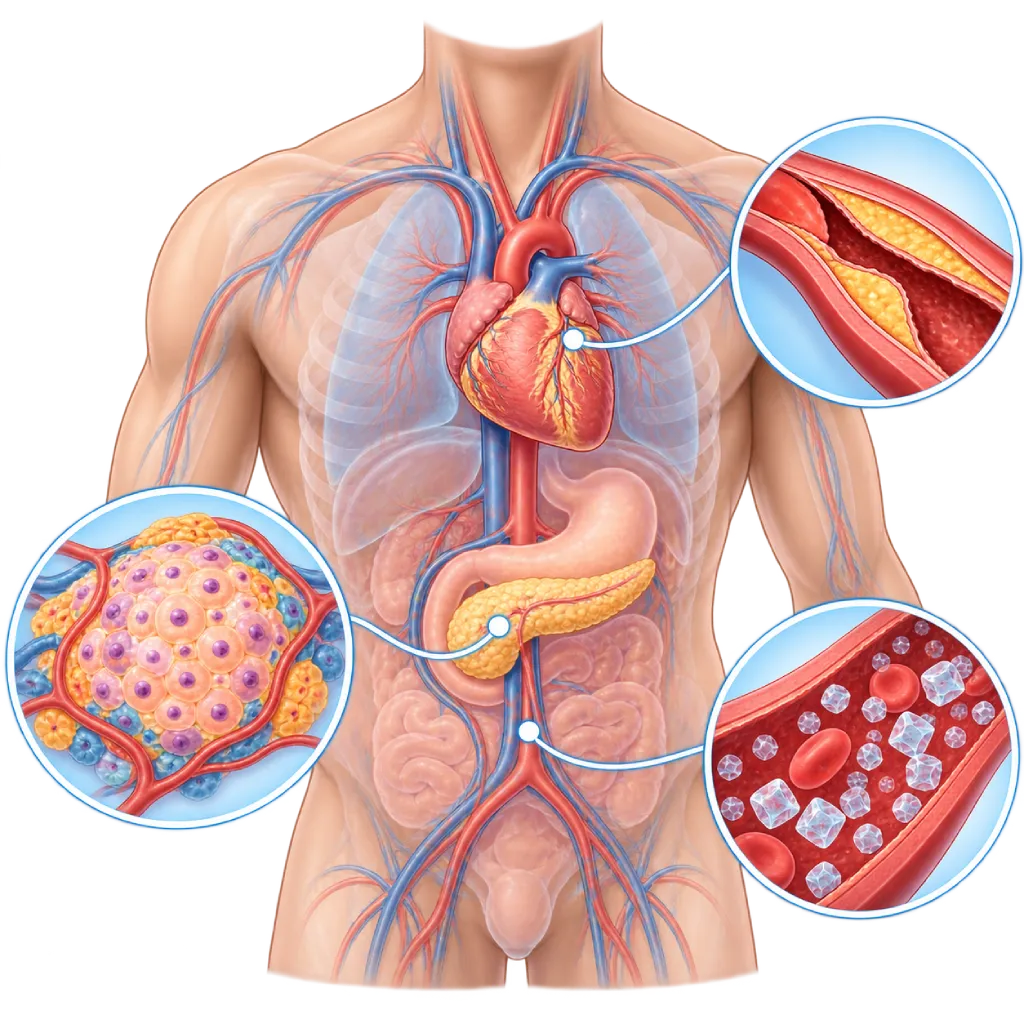
Diabetes mellitus is a long-term disease that keeps the level of sugar (glucose) in the blood above normal. Sugar comes from food and serves as fuel for the body's cells. For sugar to enter the cells, the body needs insulin, a hormone made by the pancreas, a gland located behind the stomach. In diabetes, the pancreas no longer makes enough insulin, or the insulin it makes does not work properly, so sugar builds up in the blood.
Types of Diabetes
The two common types are type 1 diabetes and type 2 diabetes. In type 1, the immune system destroys the insulin-producing cells, so insulin must be given from outside the body from the start. Type 2 is far more common: the body becomes less sensitive to insulin and its production slowly decreases. There is also gestational diabetes (diabetes during pregnancy) and several rare types. The two main types are covered on the Type 1 Diabetes and Type 2 Diabetes pages.
Diabetes and Heart Health
High blood sugar over a long period injures the inner lining of the blood vessels. Together with the high blood pressure and abnormal cholesterol that often accompany diabetes, this speeds up the formation of plaque (fatty deposits) in the artery walls, known as atherosclerosis. As a result, people with diabetes have about twice the risk of coronary artery disease, heart attack, stroke, and heart failure compared with people without diabetes. Heart and blood vessel disease is also the main cause of death in people with diabetes.
Damage to small blood vessels can affect the eyes, kidneys, and nerves. Nerve damage means a heart attack sometimes occurs without the typical chest pain, for example appearing only as shortness of breath, weakness, or a cold sweat. That is why heart checks are part of diabetes care.
Diabetes Can Be Controlled
Diabetes is usually a lifelong condition, but it can be controlled. Keeping your blood sugar, blood pressure, and cholesterol on target, quitting smoking, staying active, and taking medicines as your doctor advises can significantly lower the risk of complications. Some classes of diabetes medicines have also been proven to protect the heart and kidneys. According to the IDF Diabetes Atlas, in 2021 about 19.5 million adults in Indonesia were living with diabetes, and many of them did not yet know they had it.
02 / Understanding the condition
Types and Related Conditions
The following conditions belong to the Diabetes Mellitus group. Open each one for a full explanation.
03 / Understanding the condition
Symptoms to Recognize.
Common Symptoms
Many people with type 2 diabetes have no symptoms for years, so regular blood sugar checks are still needed.
- Frequent urination, including waking up at night to urinate
- Frequent thirst and drinking a lot
- Getting hungry easily
- Weight loss for no clear reason
- Tiring easily and feeling weak
- Blurred vision
- Wounds that are slow to heal, or repeated skin and urinary tract infections
- Tingling or numbness in the hands and feet
Symptoms in Children
Diabetes in children is usually type 1, and the symptoms can worsen over a few days to weeks.
- Wetting the bed again after having stopped
- Extreme thirst and frequent urination
- Weight loss despite eating a lot
- Irritability, sluggishness, or difficulty concentrating
- Nausea, vomiting, or abdominal pain
Symptoms in Older Adults
In older adults, typical symptoms such as excessive thirst are often not prominent.
- Vague complaints, such as weakness or lack of energy
- Becoming dehydrated easily because the sense of thirst is reduced
- New confusion or forgetfulness
- Falling more often
- Declining vision
04 / Understanding the condition
What Causes This Condition?
- The immune system destroys the insulin-producing beta cells of the pancreas, as in type 1 diabetes
- The body's cells become less sensitive to insulin (insulin resistance), especially with excess belly fat
- Insulin production by the pancreas slowly declines over time
- Hormonal changes during pregnancy that trigger gestational diabetes
- Pancreatic disease, other hormonal disorders, or the effects of certain medicines such as corticosteroids
- Rare single-gene disorders that run in families, for example MODY-type diabetes
05 / Understanding the condition
Who Is at Higher Risk?
Lifestyle
Excess weight, especially belly fat, lack of physical activity, frequent consumption of sugary drinks and processed foods, and smoking.
Medical
Prediabetes, high blood pressure, low HDL cholesterol or high triglycerides, polycystic ovary syndrome, a history of gestational diabetes, and heart disease.
Genetic
Having a parent or sibling with diabetes. In type 1, a family history and other autoimmune diseases also increase susceptibility.
Age
The risk of type 2 diabetes rises after age 35 to 40, but it is now increasingly found at younger ages. Type 1 diabetes often appears in children and teenagers.
Other
Lack of sleep, prolonged stress that disrupts eating habits, and long-term use of certain medicines such as corticosteroids.
Groups at Higher Risk
- People with Excess Weight: A body mass index of 23 or higher in Asian people, or a large waist circumference, is closely linked to insulin resistance.
- Age 35 or Older: ADA guidelines recommend blood sugar screening for all adults starting at age 35, repeated at least every three years if the results are normal.
- Family Members of People with Diabetes: Having a parent or sibling with diabetes increases your chance of developing the same condition.
- People with Heart Disease or Hypertension: The 2023 ESC guidelines recommend checking fasting blood sugar or HbA1c in everyone with heart and blood vessel disease.
- Women with a History of Gestational Diabetes: The risk of type 2 diabetes remains high for years after giving birth, so blood sugar should be rechecked regularly.
06 / Understanding the condition
How Is It Diagnosed?
Diabetes is diagnosed with blood tests. Your doctor uses one or more tests: fasting blood sugar, HbA1c, an oral glucose tolerance test (OGTT), or a random blood sugar test when typical symptoms are present. If the first result is high without clear symptoms, the test is usually repeated to confirm it. Results between normal and diabetes are called prediabetes, which is an opportunity to prevent diabetes.
After the diagnosis, your doctor determines the type of diabetes and then assesses its effects on your organs: blood pressure, cholesterol profile, kidney function and urine albumin, eyes, and feet. Because diabetes is closely linked to heart disease, your doctor will also estimate your cardiovascular risk. An ECG is done if you have hypertension or heart symptoms, and further tests such as echocardiography or an exercise stress test are considered as needed. Conversely, people who already have heart disease are advised to have their fasting blood sugar or HbA1c checked.
Blood Sugar Test
A fasting blood sugar of 126 mg/dL or higher, or a blood sugar of 200 mg/dL or higher 2 hours after drinking a glucose solution (OGTT), indicates diabetes. The result is usually confirmed with a repeat test.
HbA1c Test
Reflects your average blood sugar over two to three months. A value of 6.5 percent or higher indicates diabetes, while 5.7 to 6.4 percent falls in the prediabetes range.
Pancreatic autoantibody and C-peptide tests when your doctor suspects type 1 diabetes, especially in children, young adults, or thin people.
Urine Protein Test
Looks for albumin in the urine as an early sign of kidney and blood vessel damage from diabetes, checked together with kidney function (eGFR).
Cholesterol and Lipid Profile Screening
Measures LDL cholesterol, HDL cholesterol, and triglycerides to determine your heart disease risk and cholesterol treatment targets.
Electrocardiogram (ECG)
Records the heart's electrical activity to look for rhythm problems or signs of a past heart attack that went unnoticed, especially if you have hypertension or heart symptoms.
Eye (retina) and foot examinations to detect damage to small blood vessels and nerves early.
07 / Understanding the condition
Treatment Options.
Treatment is decided by a doctor after an assessment. The categories below can help you follow the conversation with your doctor.
Healthy Eating and Physical Activity
The foundation of care for all types of diabetes: regular carbohydrate portions, plenty of vegetables and fiber, low-fat protein, and about 150 minutes of physical activity per week, according to your ability.
Self-Care Education
Learning to monitor your blood sugar, recognize low and high blood sugar, care for your feet, and adjust eating and activity, together with your doctor, a diabetes educator, and a dietitian.
Blood Sugar-Lowering Medicines
In type 2 diabetes, your doctor chooses a class of medicine such as metformin, SGLT2 inhibitors, GLP-1 receptor agonists, or DPP-4 inhibitors based on the condition of your heart and kidneys and your weight.
Insulin Therapy
Essential in type 1 diabetes and needed by some people with type 2. Your doctor decides the type and schedule of insulin, which is given by pen injection or an insulin pump.
Heart and Kidney Protection
If you have heart disease, heart failure, or kidney disease, your doctor may choose an SGLT2 inhibitor or a GLP-1 receptor agonist, which have been proven to lower the risk of heart events and worsening kidney function.
Blood Pressure and Cholesterol Control
Blood pressure medicines and statins are often needed to lower the risk of heart attack and stroke. Your doctor sets the targets based on your level of risk.
Blood Sugar Monitoring
Regular HbA1c tests, self-monitoring of blood sugar with a finger-prick meter, or a continuous glucose monitor (CGM) help assess whether your treatment plan is on track.
08 / Understanding the condition
Complications to Watch For.
Coronary Artery Disease and Heart Attack
Plaque in the coronary arteries narrows blood flow to the heart muscle. In diabetes, a heart attack sometimes occurs without the typical chest pain. Covered on the Coronary Artery Disease page.
Heart Failure
Diabetes can make the heart muscle stiff or weak, causing shortness of breath during activity, tiring easily, and swelling in the legs. Covered on the Heart Failure page.
Stroke
Damage to the blood vessels of the brain increases the risk of stroke caused by a blockage. Covered on the Stroke page.
Peripheral Artery Disease and Diabetic Foot
The leg arteries narrow and the nerves in the feet become less sensitive, so small wounds easily become infected and are slow to heal. Covered on the Peripheral Artery Disease page.
Diabetic Kidney Disease
Small blood vessels in the kidneys are damaged, albumin leaks into the urine, and kidney function gradually declines. Covered on the Chronic Kidney Disease page.
Diabetic Retinopathy and Neuropathy
Damage to the blood vessels of the retina can affect vision, while nerve damage causes tingling, numbness, or pain in the feet and hands.
Hyperglycemic Crisis and Hypoglycemia
Diabetic ketoacidosis and the hyperosmolar state are severe spikes in blood sugar, while hypoglycemia is blood sugar that is too low because of medication. Both need immediate help.
09 / Understanding the condition
What Can You Do?
- Maintain a healthy weight; if you are overweight, lose about 5 to 7 percent gradually
- Be active for about 150 minutes per week, for example brisk walking, and cut down on sitting for long periods
- Limit sugary drinks and refined flour; eat more vegetables, legumes, and whole grains
- Stop smoking and avoid secondhand smoke
- Check your blood sugar regularly from age 35, or earlier if you have risk factors
- If you already have prediabetes, follow a lifestyle change program with your doctor
- If you have diabetes, attend regular checkups and have your eyes, kidneys, feet, and heart checked every year
10 / Understanding the condition
When Should You See a Doctor?
Have your blood sugar checked if you have typical diabetes symptoms, or if you have risk factors even though you feel healthy. People with diabetes need to see their doctor on a regular schedule, and sooner if blood sugar is hard to control. If you have chest pain, signs of a stroke, fast and deep breathing, or reduced consciousness, go to the emergency room right away.
- Frequent thirst, frequent urination, weight loss, or blurred vision
- Age 35 or older, excess weight, or a family member with diabetes
- Heart disease, hypertension, or high cholesterol
- Blood sugar that is often above target or often drops too low
- Foot wounds, tingling, or numbness that has newly appeared
- Shortness of breath during activity, tiring easily, or swelling in the legs
Don't Wait in an Emergency.
If symptoms are severe or come on suddenly, go to the nearest emergency department right away or call Heart Attack Center 1500 258, rather than waiting for an appointment.
11 / Common questions
Questions You May Have.
Frequently asked questions about diabetes mellitus and heart health.
What is the difference between type 1 and type 2 diabetes?
In type 1 diabetes, the immune system destroys the insulin-producing cells, so the body makes almost no insulin and people with it need insulin every day from the start. This type often appears in children and young adults. In type 2 diabetes, the body still makes insulin but is less sensitive to it. Type 2 develops slowly, is often linked to excess weight, and is usually first treated with lifestyle changes and oral medicines.
Why do people with diabetes need to have their heart checked?
High blood sugar over a long period damages blood vessels and speeds up the buildup of plaque in the arteries. People with diabetes have about twice the risk of heart attack, stroke, and heart failure compared with people without diabetes. The symptoms are sometimes vague, for example only shortness of breath or weakness. Checking your blood pressure, cholesterol, and kidneys and having an ECG help your doctor assess your risk and choose medicines that also protect the heart.
Can diabetes be cured?
At present, diabetes is usually a lifelong condition, but it can be well controlled. In some people with type 2 diabetes, substantial weight loss can bring blood sugar back to normal without medicines for a period of time, which is called remission. Regular checkups are still needed. In type 1 diabetes, insulin is still needed every day. The goal of treatment is to live an active life and prevent complications.
What blood sugar target should you aim for?
Your target is set together with your doctor based on your age, other conditions, and your risk of low blood sugar. For many adults, an HbA1c below 7 percent is the general reference. The target may be looser for older adults or people who often have low blood sugar, and stricter for some others. Besides blood sugar, blood pressure and cholesterol also have their own targets to protect the heart.
Does prediabetes always progress to diabetes?
Not always. Prediabetes means blood sugar is above normal but has not yet reached the diabetes threshold. Studies show that losing about 5 to 7 percent of body weight and getting regular physical activity can delay or prevent type 2 diabetes in many people. Prediabetes is also already linked to a risk of heart disease, so this is a good time to start improving your lifestyle and to check your blood sugar every year.
Can people with diabetes eat rice and fruit?
Yes, in measured portions. The key is the amount and type of carbohydrate. Rice can be eaten in smaller portions, balanced with plenty of vegetables and protein-rich side dishes. Whole fruit is better than juice because its fiber helps blood sugar rise more slowly. A dietitian can help you plan an eating pattern that suits your habits, medicines, and blood sugar targets.
Sources and Medical Review
Translated from the Indonesian edition medically reviewed by dr. Debby C. Soemitha, Sp.PD.
Sources as cited in the Indonesian edition.
- American Diabetes Association Professional Practice Committee for Diabetes. 2. Diagnosis and Classification of Diabetes: Standards of Care in Diabetes, 2026. Diabetes Care. 2026;49(Suppl 1):S27-S49.
- American Diabetes Association Professional Practice Committee for Diabetes. 3. Prevention or Delay of Diabetes and Associated Comorbidities: Standards of Care in Diabetes, 2026. Diabetes Care. 2026;49(Suppl 1):S50-S60.
- American Diabetes Association Professional Practice Committee for Diabetes. 6. Glycemic Goals, Hypoglycemia, and Hyperglycemic Crises: Standards of Care in Diabetes, 2026. Diabetes Care. 2026;49(Suppl 1):S132-S149.
- Marx N, Federici M, Schütt K, Müller-Wieland D, Ajjan RA, Antunes MJ, et al. 2023 ESC Guidelines for the management of cardiovascular disease in patients with diabetes. Eur Heart J. 2023;44(39):4043-4140.
- Kidney Disease: Improving Global Outcomes (KDIGO) Diabetes Work Group. KDIGO 2022 Clinical Practice Guideline for Diabetes Management in Chronic Kidney Disease. Kidney Int. 2022;102(5S):S1-S127.
- Sun H, Saeedi P, Karuranga S, Pinkepank M, Ogurtsova K, Duncan BB, et al. IDF Diabetes Atlas: Global, regional and country-level diabetes prevalence estimates for 2021 and projections for 2045. Diabetes Res Clin Pract. 2022;183:109119.
Doctors Who Treat This Condition

dr. Debby C. Soemitha, Sp.PD
Internal Medicine
Clinical focusDiabetes and Diabetes Complications · Obesity and Metabolic Disease
View Profile
Dr. med. dr. Denio A. Ridjab, Sp.JP(K)
Interventional Cardiology
Coronary Intervention Procedures +2 centers
Clinical focusInterventional Cardiology · Coronary Artery Disease
View Profile
dr. Juweni Joe, Sp.GK
Clinical Nutrition
Clinical focusMedical Nutrition Intervention · Nutrition for Cardiovascular Patients
View Profile