
Quick answer
Left-sided abdominal pain generally comes from digestive disorders such as gastritis, GERD, IBS, or gas, but it can also be caused by kidney stones, urinary tract infections, ovarian cysts, or muscle injuries. In some people, especially women, older adults, and people with diabetes, upper left abdominal pain can be an atypical symptom of a heart attack. Severe pain accompanied by shortness of breath, cold sweats, or fainting needs to be checked right away.
Left-sided abdominal pain is often considered a mild complaint caused by digestive problems, such as gastritis, bloating, or muscle cramps. In fact, pain in this area can come from various other organs, such as the spleen, left kidney, pancreas, or even the reproductive organs or muscles around the abdomen. Each source of pain has a different pattern and character, so it is important to recognize the symptoms early. Most abdominal pain is indeed not dangerous, but the location and nature of the pain can be important clues for determining the real cause.
Watch Out for Left Abdominal Pain That Comes From the Heart
Besides coming from the digestive system, left-sided abdominal pain can also be a sign of a heart problem that appears in an unusual way (atypical), especially in women and older adults. In these groups, a heart attack sometimes does not begin with chest pain, but is felt as pain in the upper left abdomen, often accompanied by nausea, cold sweats, or extreme fatigue. This difference in symptoms often causes patients to delay emergency treatment because they think the complaint comes from the stomach or muscles.
That is why you should not ignore left abdominal pain that feels different or is accompanied by other symptoms; it is safer to get checked right away to make sure your heart is in good condition.
Understanding Left-Sided Abdominal Pain
Organs and Structures on the Left Side of the Body
Left-sided abdominal pain can be influenced by various organs located on the left side of the body. Understanding the location and function of these organs helps you recognize the possible causes. Anatomically, this area is divided into:
Upper Left Abdomen (Left Upper Quadrant, LUQ)
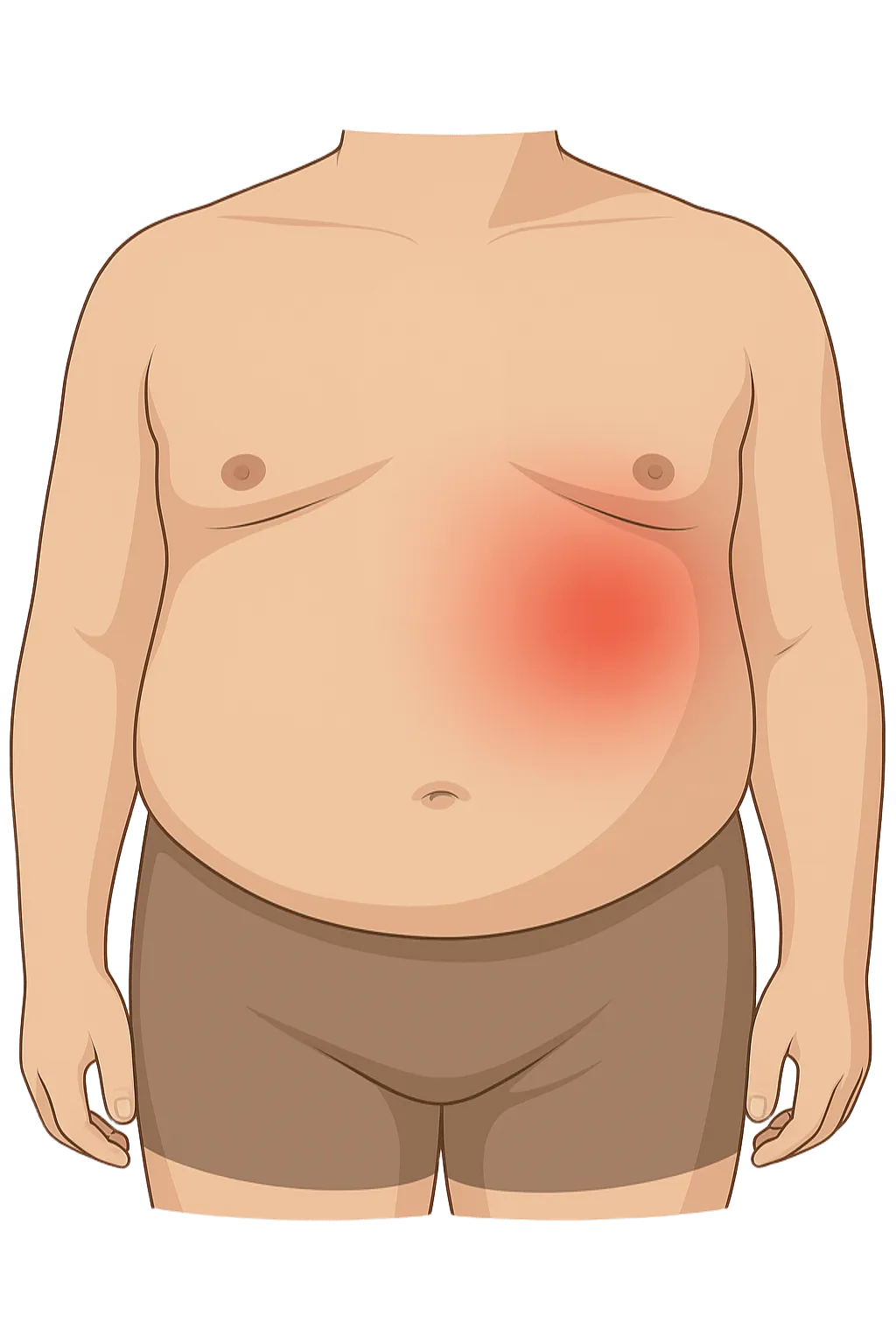
The main organs in the upper left quadrant include:
- Stomach: an important part of the digestive system that processes food.
- Spleen: plays a role in the immune system.
- Pancreas (left portion): produces enzymes and hormones such as insulin.
- Left kidney: filters the blood and removes waste through urine.
- Left part of the large intestine: including the descending colon and sigmoid colon.
- Major blood vessel (aorta): although rare, aortic abnormalities can cause pain in this area.
Lower Left Abdomen (Left Lower Quadrant, LLQ)
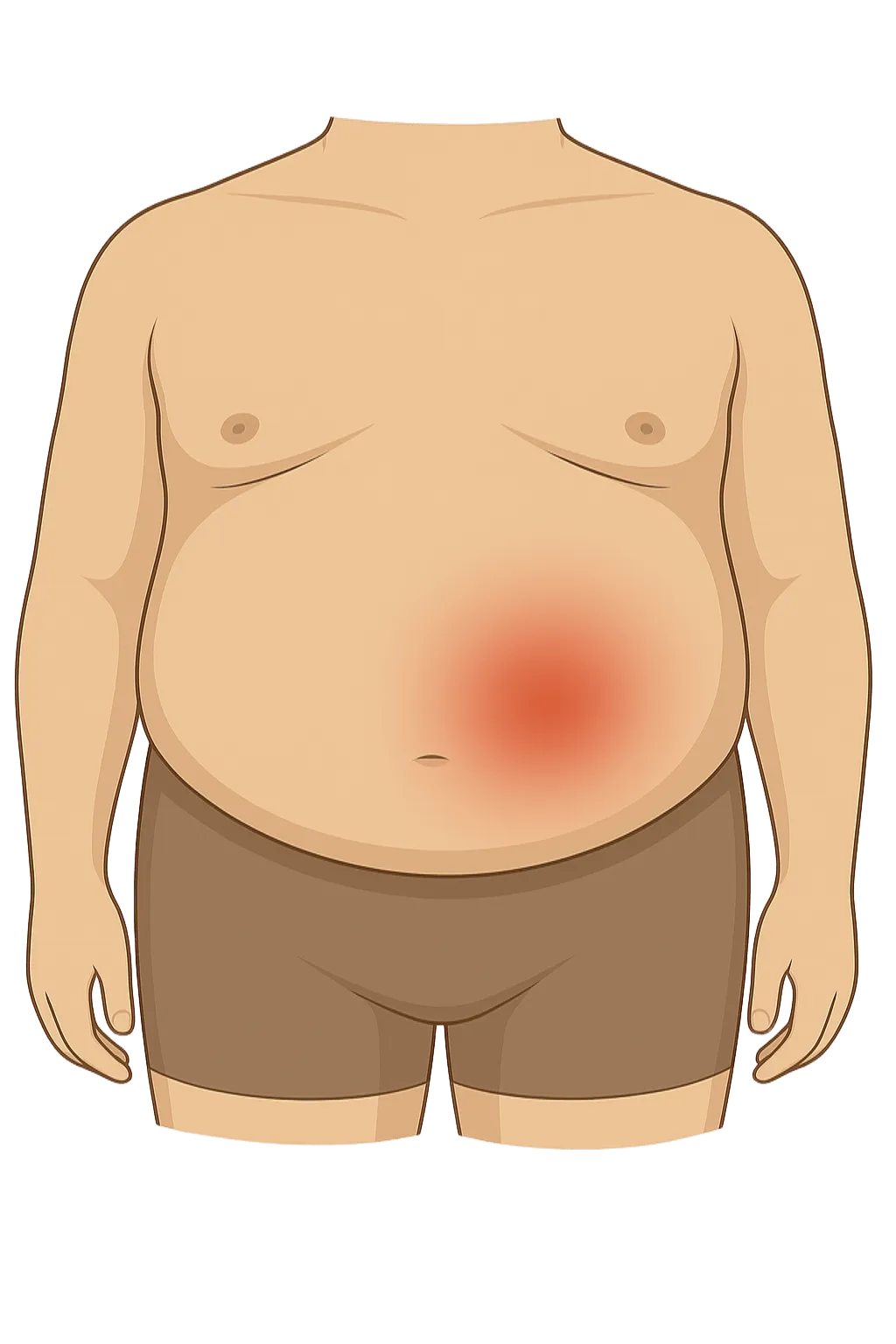
In the lower part, the organs involved include:
- Sigmoid colon and the left part of the large intestine: where stool is stored before it is passed.
- Left ovary and fallopian tube (in women), reproductive organs that can be a source of pain, especially with cysts or infection.
- Abdominal muscles and pelvic wall: muscle injury or strain can also trigger pain.
Common Types of Pain
The character of left-sided abdominal pain can differ from person to person. Identifying the type of pain helps estimate its cause.
| Type of Pain | Characteristics | Possible Causes |
|---|---|---|
| Dull pain | Feels like pressure or aching, mild to moderate intensity, often persistent. | Mild digestive disorders, gas, muscle cramps. |
| Sharp pain | A piercing or stabbing sensation that can come suddenly and intensely. | Kidney stones, inflammation of the spleen, diverticulitis. |
| Persistent pain | Continuous without easing, even at rest. | Pancreatitis, kidney infection. |
| Intermittent pain | Comes and goes, often triggered by eating, moving, or certain activities. | Irritable Bowel Syndrome (IBS), intestinal cramps. |
Common triggers:
- After eating: often related to stomach or digestive disorders.
- Strenuous physical activity: can affect the muscles or internal organs.
- Accompanying symptoms such as fever, nausea, vomiting, or changes in bowel movements: indicate the need for immediate medical examination.
Common Causes of Left-Sided Abdominal Pain (Non-Cardiac)
Left-sided abdominal pain can come from various organs and body systems, not only the heart. Knowing the cause helps you decide when you need to see a doctor right away and when you can manage it at home. Here are some of the most common causes outside of heart disorders.
1. Digestive Disorders
Digestive disorders are one of the main causes of left-sided abdominal pain, especially in the upper left abdomen. Some conditions that often trigger this complaint include:
- Gastritis: Inflammation of the stomach lining that causes a stinging or burning sensation in the upper left abdomen. Symptoms may worsen or improve after eating and are accompanied by nausea and bloating.
- GERD (Gastroesophageal Reflux Disease): Stomach acid rises into the esophagus, causing a burning feeling in the chest or upper left abdomen, especially after eating or lying down.
- Irritable Bowel Syndrome (IBS): A functional disorder of the large intestine that causes abdominal pain, bloating, diarrhea, or constipation. Symptoms are often triggered by stress or certain eating patterns.
2. Urinary Tract Problems
Problems with the kidneys or urinary tract can trigger characteristic left-sided abdominal pain:
- Kidney Stones: Cause sharp pain that comes and goes, usually spreading from the left flank to the groin. It may be accompanied by nausea or blood in the urine.
- Urinary Tract Infection & Pyelonephritis: Cause pain in the lower left abdomen or flank, often accompanied by fever, a frequent urge to urinate with only small amounts passed, and foul-smelling urine.
3. Conditions in Women
In women, several gynecological conditions can trigger left-sided abdominal pain, especially in the lower left abdomen:
- Menstrual Pain (Dysmenorrhea): Severe cramps that occur during menstruation.
- Ovarian Cysts: Dull or sharp pain that worsens when the cyst grows or ruptures.
- Endometriosis: Severe pain during menstruation caused by uterine tissue growing outside the uterus.
4. Muscle Injury or Posture
The muscles in the left abdominal area can also be a source of pain, especially in the case of:
- Muscle strain from exercise or lifting heavy objects.
- Poor sitting posture for long periods, which puts pressure on the abdominal and lower back muscles.
After understanding the non-cardiac causes, it is also important to recognize the heart-related causes of left-sided abdominal pain. Although rare, some cardiovascular conditions can cause symptoms that resemble digestive or muscle problems. Next, we will discuss the signs and mechanisms behind this pain, so that you can be more alert.
Heart-Related Causes of Left-Sided Abdominal Pain
Although it is more often caused by digestive or muscle problems, left-sided abdominal pain can also be a sign of certain heart diseases. This is often referred to as an atypical symptom, because the complaint does not always take the form of typical chest pain. Understanding this possibility is very important, so that you can seek medical help right away if needed.
1. Atypical Heart Attack
In some patients, especially women, older adults, and people with diabetes, a heart attack can appear as pain or discomfort in the upper left abdomen. This symptom is often mistaken for a digestive disorder.
Other signs that may accompany it include:
- Sudden shortness of breath
- Excessive cold sweats
- Nausea or vomiting
- Dizziness, weakness, or feeling faint
These atypical symptoms can slow down emergency treatment because patients do not realize they are having a heart attack.
2. Angina and Pericarditis
- Unstable Angina: This condition occurs when blood flow to the heart muscle is disrupted. The pain may be felt in the left chest, spread to the upper abdomen, or even appear only in the abdominal area. Angina is usually triggered by physical activity or emotional stress and can be an early sign of a heart attack.
- Pericarditis : This inflammation of the membrane surrounding the heart (pericardium) can cause sharp pain in the left chest that spreads to the upper abdomen. The pain worsens when lying down or taking a deep breath, but may ease when sitting and leaning forward. Because its location is close to the stomach, the symptoms are often mistaken for a digestive disorder.
3. Aortic Aneurysm
An aortic aneurysm is an abnormal widening of the body’s main blood vessel. If it occurs in the upper abdominal aorta, this condition can cause severe pain that spreads to the left abdomen.
Danger signs to watch out for:
- Sudden, very severe pain in the abdomen or back
- A rhythmic throbbing (pulsation) in the abdomen
- A sharp drop in blood pressure accompanied by dizziness or fainting
An aortic aneurysm is a medical emergency that requires immediate action, either through open surgery or an endovascular procedure.
The Importance of Staying Alert
Heart-related left-sided abdominal pain is not always easy to recognize. However, if the complaint is accompanied by symptoms such as shortness of breath, cold sweats, or pain spreading to the left arm, get checked at the nearest emergency department (ER) right away. Early detection can save lives.
Read also:
- Left-Sided Chest Pain? Here Are the Causes and How to Treat It!
- Left Arm Pain: Causes, Warning Signs, and When to See a Doctor
- The Importance of Heart Checkups: Types, Differences, and Costs
Distinguishing Left-Sided Abdominal Pain: Digestive vs. Heart Causes
Not all left-sided abdominal pain is caused by digestive problems. In some cases, this complaint is actually an early sign of a heart problem that requires immediate help. Recognizing the difference between the two is very important to avoid delays in treatment that could be fatal.
Here is a comparison of the symptoms of abdominal pain caused by digestive disorders and heart-related abdominal pain, based on location, nature of the pain, triggers, and level of danger.
| Aspect | Digestive Disorder | Heart Problem |
|---|---|---|
| Pain Location | Focused in the upper/middle left abdomen, may shift with bowel movement | Upper left abdomen, may spread to the chest, back, jaw, or left arm |
| Nature of Pain | Dull, cramping, stinging, or burning (heartburn) | A crushing or pressing feeling, or sharp pain (in pericarditis), sometimes with a feeling of heaviness |
| Common Triggers | Overeating, spicy/acidic food, stress, changes in eating patterns | Physical activity, emotional stress, cold weather, or even at rest (unstable angina) |
| Accompanying Symptoms | Nausea, vomiting, bloating, frequent burping, changes in bowel habits | Shortness of breath, cold sweats, dizziness, weakness, nausea, a fast or irregular pulse |
| Pain Duration | Eases after rest, taking antacids, or passing gas | Persists or worsens even after rest; does not improve with digestive medicines |
| Effect of Body Position | May improve or worsen depending on position or after a bowel movement | Generally not affected by body position, except pericarditis, which improves when sitting and leaning forward |
| Level of Danger | Rarely life-threatening except with complications such as a perforated stomach ulcer | A medical emergency, such as a heart attack or aortic aneurysm, which can be fatal |
The Importance of Telling Them Apart Early
Admittedly, digestive and heart-related symptoms of left-sided abdominal pain are sometimes similar, so they are easily confused. However, differences in the pain pattern, accompanying symptoms, and response to changes in body position can be early clues.
In addition, according to the American Heart Association, any suspicious pain, especially in patients with heart risk factors such as hypertension, diabetes, high cholesterol, or a family history of heart disease, should be examined by a medical professional right away.
Emergency Symptoms: When to See a Doctor or Go to the ER
Not all left-sided abdominal pain is a sign of a serious illness. However, certain symptoms can be danger signals that require immediate medical treatment. Recognizing these emergency signs is very important so that care can be given as early as possible and the risk of complications can be prevented.
According to PERKI (the Indonesian Heart Association), the combination of abdominal pain with systemic symptoms such as shortness of breath, dizziness, or gastrointestinal bleeding is a red flag that must be followed up immediately in the emergency department (ER).
1. Sudden and Severe Pain
Abdominal pain that comes on suddenly, feels very strong, and does not improve even with rest may indicate a serious condition, such as:
- An atypical heart attack (the pain is not always felt in the chest and may spread to the abdomen)
- A ruptured aortic aneurysm
- Perforation of a digestive organ
Why is it dangerous? These conditions can progress quickly and may be fatal if treatment is delayed.
2. Pain With Shortness of Breath, Dizziness, or Fainting
The combination of left-sided abdominal pain with symptoms such as shortness of breath, cold sweats, dizziness, or even fainting may point to:
- Acute heart disorders such as a heart attack or heart failure
- A sharp drop in blood pressure due to internal bleeding
These symptoms are signs of a medical emergency that requires immediate examination.
3. High Fever, Vomiting Blood, or Black Stools
These symptoms usually indicate a severe infection or bleeding in the upper digestive tract, which can be caused by:
- A ruptured stomach or intestinal ulcer
- Ruptured esophageal varices
- Severe inflammation of the digestive organs
Note: Very dark black stools (melena) are a sign of digested blood, usually coming from bleeding in the stomach or small intestine. This requires immediate medical evaluation.
How to Relieve Left-Sided Abdominal Pain at Home
If the left-sided abdominal pain you are experiencing is not accompanied by emergency symptoms such as shortness of breath, fainting, or vomiting blood, there are some first-aid steps you can take at home to ease the complaint. Even so, these are only temporary; a medical examination is still needed if the pain continues or gets worse.
1. Initial Care
Some simple steps can help reduce mild left abdominal pain:
- Get enough rest: lie in a half-sitting position or on your left side to reduce pressure on the abdomen and help blood flow.
- Warm compress: place a hot water bottle or warm pad on the painful area for 15 to 20 minutes to relax the muscles and improve blood circulation.
- Stay hydrated: drink water regularly to prevent dehydration, especially if you also have diarrhea or vomiting. Avoid caffeinated, carbonated, or alcoholic drinks, which can irritate the digestive tract.
- Avoid trigger foods: limit spicy, acidic, or high-fat foods that can stimulate stomach acid production and worsen the pain.
2. Healthy Diet & Lifestyle
Maintaining a healthy diet and lifestyle is beneficial for preventing recurrences of left-sided abdominal pain, whether it comes from the digestive system or the heart.
- Balanced diet
- Eat more vegetables, fruit, whole grains, and lean protein.
- Reduce your intake of salt, added sugar, and processed foods.
- Make sure you get enough fiber to prevent constipation.
- Light physical activity
- Walk, do yoga, or do light stretching for 20 to 30 minutes every day.
- Regular exercise helps maintain heart health while also improving digestive function.
- Stress management
- Try relaxation techniques such as deep breathing, meditation, or activities that calm the mind.
- Well-managed stress can help prevent recurring abdominal pain caused by functional disorders such as IBS (Irritable Bowel Syndrome).
Tips for Heart & Digestive Health
- Have regular health checks, including blood pressure, cholesterol, and digestive function.
- Do not ignore left-sided abdominal pain that often recurs or gets worse.
- Apply the principle “Eat wisely, stay active, keep a calm mind” for long-term health.
Home care steps can help reduce mild complaints. However, a medical examination is needed to find out the exact cause of left-sided abdominal pain and get the right treatment. In the next section, we will discuss the examination and diagnostic methods that doctors usually use.
Medical Examination & Diagnosis
Determining the cause of left-sided abdominal pain cannot be done just by guessing or relying on your own observations. The right medical examination helps the doctor confirm the diagnosis and choose the appropriate treatment.
1. Initial Examination by a Doctor
At this stage, the doctor will take two main steps:
- Anamnesis (medical interview): the doctor asks for details of the complaint, including:
- When the pain started and how long it lasts
- The nature of the pain (sharp, dull, stabbing, or throbbing)
- Factors that trigger or relieve the pain
- History of heart, kidney, or digestive disease
- Physical examination: the doctor examines the abdomen by touch (palpation) to determine the location and level of pain. In addition, checking vital signs such as blood pressure, pulse, temperature, and oxygen saturation helps detect emergency conditions.
2. Supporting Tests
If needed, the doctor may recommend additional tests, including:
- Abdominal Ultrasound: Uses sound waves to view organs in the abdomen such as the spleen, kidneys, and intestines. Suitable for detecting inflammation, enlarged organs, or cysts.
- CT Scan: Provides a detailed picture of the internal organs and is very useful for detecting abnormalities that are not visible on ultrasound. PDSRI (the Indonesian Radiological Society) recommends a CT scan for abdominal pain with suspected serious complications.
- Blood Tests: Including a complete blood count, kidney and liver function tests, and infection markers such as CRP, which help assess whether there is an infection or organ disorder.
- Electrocardiogram (ECG): Performed if left abdominal pain is suspected to be related to a heart problem, because chest pain sometimes spreads to the left abdominal area.
- Endoscopy : Used to directly view the condition of the stomach and intestines, especially if an ulcer, gastritis, or upper gastrointestinal bleeding is suspected.
Important Note:
Not every patient needs all of these tests. The choice of tests will be tailored to the results of the initial evaluation and each patient’s medical indications.
With the right tests, the cause of left-sided abdominal pain can be identified accurately.
Conclusion
Left-sided abdominal pain can arise from various conditions, ranging from mild disorders such as stomach irritation or muscle problems to serious diseases that require immediate treatment, such as an atypical heart attack or spleen disorders. The location of the pain also provides important clues:
- Upper part: may be related to the stomach, spleen, pancreas, or heart.
- Lower part: often related to the large intestine, urinary tract, or reproductive organs.
Recognizing the possible causes is certainly very helpful. However, a definitive diagnosis can only be made through a thorough medical examination. Delaying an examination or ignoring symptoms can actually increase the risk of complications, especially if the pain is accompanied by warning signs such as chest pain, shortness of breath, high fever, or bleeding.
The Importance of Early Detection to Prevent Complications
Early detection is key to preventing permanent organ damage and improving the chances of recovery. An earlier examination allows the doctor to:
- Identify the source of pain accurately.
- Determine whether the cause is mild or requires immediate treatment.
- Start therapy on time to prevent the condition from getting worse.
In fact, a simple step such as consulting a doctor promptly when left-sided abdominal pain persists or gets worse can save lives. For this reason, do not hesitate to get checked, especially if you have a history of heart disease or other cardiovascular risk factors.
How Heartology Supports Your Heart Health Journey
If left-sided abdominal pain is suspected to be related to a heart disorder, the cardiologists at Heartology Cardiovascular Hospital can help evaluate your complaint. Tests are tailored to your condition, for example an ECG, echocardiography, or a 512-slice CT scan.
Heartology Cardiovascular Hospital is located in Kebayoran Baru, South Jakarta.
Keep as a reminder
Checklist before Your Consultation
Tick what you have prepared.
0 of 6 items checked
Checks are kept only while this page is open.
After reading
Discuss Your Questions with a Doctor.
Bring your notes and any test results you want to discuss. A consultation helps decide which tests and treatment are right for you.
Our team confirms the schedule and what you need for your visit. The information on this page is for educational purposes and does not replace medical consultation, diagnosis, or treatment. For any health concerns, please consult a doctor directly.
Doctors Related to This Topic

dr. Khaira U. Yusrie, Sp.PD-KGEH
Gastroenterology & Hepatology
Clinical focusInternal Medicine · Gastroenterology and Hepatology
View Profile
Dr. dr. Jajang Sinardja, Sp.JP(K)
Interventional Cardiology
Coronary Intervention Procedures
Clinical focusAcute Coronary Syndrome · Primary Coronary Intervention
View Profile
dr. Suko Adiarto, Sp.JP(K), Ph.D.
Interventional Cardiology
Vascular Diagnostic and Therapeutic Center +1 center
Clinical focusCoronary Intervention · Peripheral Vascular Intervention
View ProfileFrequently Asked Questions.
Here are some frequently asked questions about left-sided abdominal pain, from its causes to the signs to watch out for.
Why Does My Lower Left Abdomen Suddenly Hurt?
Sudden pain in the lower left abdomen can have many causes, such as digestive problems (gas, constipation), urinary tract infections, kidney stones, or disorders of the large intestine. If the pain is very sharp or accompanied by fever or vomiting, see a doctor right away.
What Causes Upper Left Abdominal Pain After Eating?
It is usually related to the stomach or the organs around the spleen. The cause may be gastritis (inflammation of the stomach lining), acid reflux, or even an enlarged spleen. Overeating or fatty foods can also trigger discomfort in this area.
How Can You Tell Stomach Pain Apart From Heart Attack Signs That Appear in the Left Abdomen?
Stomach pain usually improves after taking antacids and is often related to eating patterns. An atypical heart attack can appear as pain or pressure in the left/upper abdomen, accompanied by other symptoms such as shortness of breath, cold sweats, nausea, or pain spreading to the jaw and arm. If in doubt, go to the emergency department (ER) right away.
Can Left Abdominal Pain Be a Symptom of Pregnancy?
It can, especially in early pregnancy due to hormonal changes and stretching of the uterine muscles. However, pain that is sharp or accompanied by bleeding must be checked right away to rule out the risk of an ectopic pregnancy.
What Are the Symptoms of an Atypical Heart Attack That Appear as Abdominal Pain?
Besides chest pain, a heart attack can appear as pain in the pit of the stomach or upper abdomen, nausea, vomiting, weakness, or cold sweats. These atypical symptoms are more common in women and older adults.
What Medicine Can Relieve Left-Sided Abdominal Pain?
The medicine depends on the cause. For mild pain due to gas or bloating, antacids or simethicone may help. But if the pain is persistent or accompanied by severe symptoms, do not rely only on over-the-counter medicines; see a doctor.
Why Does My Left Abdomen Cramp During Exercise?
Abdominal cramps during exercise, especially on the left side, may be due to a tense diaphragm, eating too close to your workout, or dehydration. The solution: warm up, regulate your breathing, and allow a gap between eating and exercising.
When Should You See a Doctor If Left Abdominal Pain Does Not Go Away?
If the pain lasts more than 2 to 3 days, gets worse, or is accompanied by fever, vomiting, bloody stools, or weight loss, have yourself checked right away.
Why Does Left Abdominal Pain Spread to the Back?
It can be caused by problems with the pancreas, kidneys, or back muscles. Kidney stones, for example, often cause pain that spreads from the abdomen to the back or flank.
What Causes Lower Left Abdominal Pain in Early Pregnancy?
It is often due to stretching of the ligaments and changes in the position of the uterus. However, pain that is severe or accompanied by bleeding needs to be checked right away to rule out complications.
How Can You Manage Left Abdominal Pain While Fasting?
Avoid eating a large portion right away when breaking your fast, avoid spicy or fatty foods, and drink enough water. If the pain is related to stomach acid, breaking your fast with light, low-acid foods may help.
Can a Kidney Infection Cause Left Abdominal Pain?
Yes, especially if the infection affects the left kidney. Symptoms may include pain in the flank or the side of the abdomen, fever, nausea, and frequent urination. This condition requires antibiotic treatment from a doctor.
Sources and Transparency.
The information on this page is for educational purposes and does not replace medical consultation, diagnosis, or treatment. For any health concerns, please consult a doctor directly.
If you find information that needs clarifying, let us know through our Contact Us page.