
Quick answer
What Is Prehypertension?
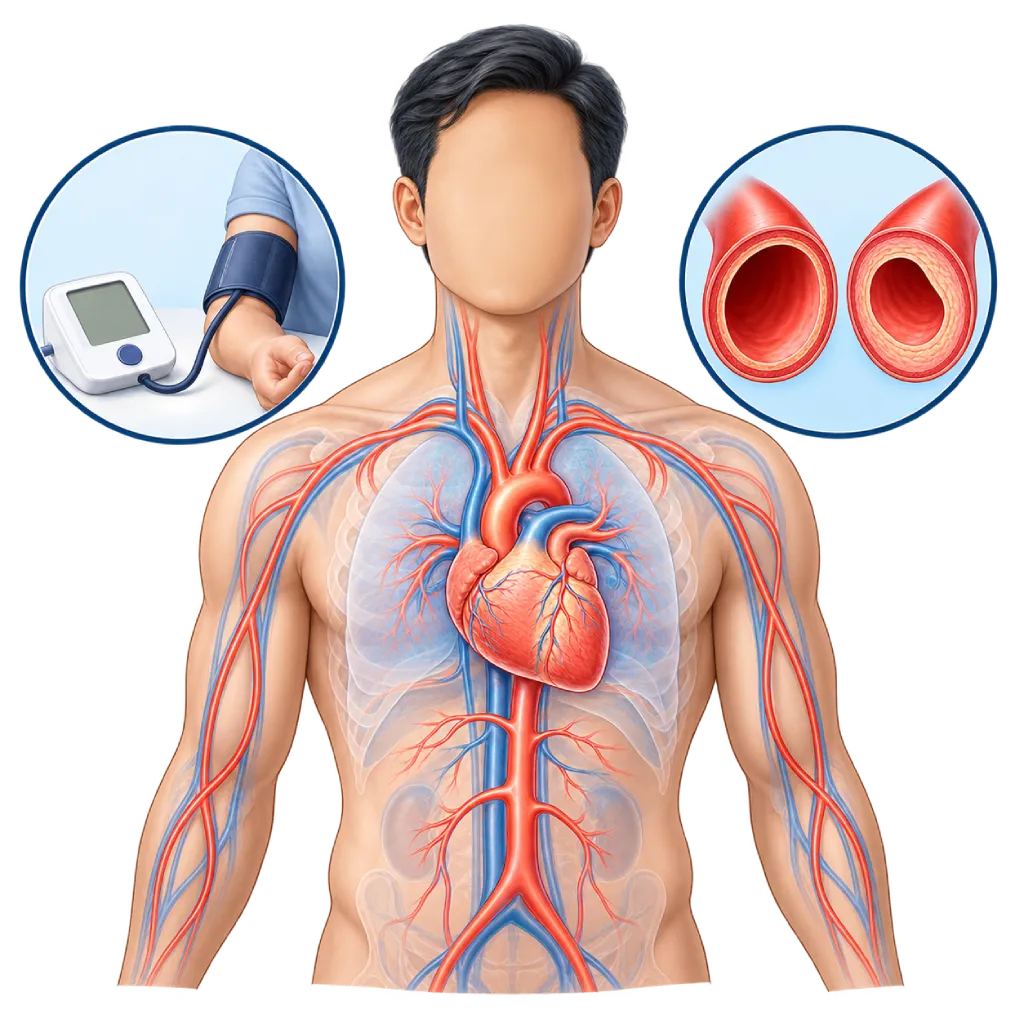
Prehypertension is blood pressure that is above normal but not yet in the hypertension range. The 2024 ESC guidelines call it elevated blood pressure: a top number of 120 to 139 mmHg or a bottom number of 70 to 89 mmHg.
SourcesSigns That Need Urgent Help
- Blood pressure of 180/110 mmHg or higher with a severe headache
- Chest pain or shortness of breath
- Facial drooping, slurred speech, or weakness on one side of the body
- Sudden blurred vision or loss of vision
- Confusion or reduced consciousness
If these signs appear, go to the nearest emergency department right away or call Heart Attack Center 1500 258.
01 / Understanding the condition
About Prehypertension
Prehypertension is a term for blood pressure that is already above normal but has not yet reached the hypertension threshold. The term was introduced in 2003 and is still widely used, but current guidelines use other names. The 2024 ESC guidelines call it elevated blood pressure, meaning a clinic blood pressure of 120 to 139 mmHg systolic (the top number) or 70 to 89 mmHg diastolic (the bottom number). The 2023 ESH guidelines use the term high-normal blood pressure for a systolic pressure of 130 to 139 mmHg or a diastolic pressure of 85 to 89 mmHg. If your blood pressure is already 140/90 mmHg or higher, the condition is covered on the Hypertension page.
Why It Deserves Attention
The risk of heart disease and stroke does not start exactly at 140/90 mmHg; it rises gradually as blood pressure increases. Long-term studies show that people with high-normal blood pressure have heart attacks, strokes, and heart failure more often than people with normal blood pressure. Blood pressure in this range also tends to rise into hypertension within a few years if habits do not change.
Different Terms in Different Guidelines
The American guidelines (ACC/AHA) classify a top number of 130 to 139 mmHg or a bottom number of 80 to 89 mmHg as stage 1 hypertension. So the same reading can be called prehypertension in one place and hypertension in another. This page follows the 2024 ESC and 2023 ESH guidelines. What matters more than the name is the plan for testing and control that you make with your doctor.
An Opportunity for Prevention
Prehypertension usually causes no symptoms, so it is only discovered during a checkup. At this stage, lifestyle changes can lower blood pressure and delay or prevent hypertension. For people with high cardiovascular risk, such as those with diabetes or chronic kidney disease, the doctor may consider medication if blood pressure stays at 130/80 mmHg or higher after about three months of lifestyle changes. Measurements outside the clinic are also important, because some people turn out to have higher blood pressure at home, covered on the Masked Hypertension page.
02 / Understanding the condition
Symptoms to Recognize.
Common Symptoms
Prehypertension almost never causes symptoms. The way to find out is to measure your blood pressure regularly.
- No specific symptoms in most people
- Clinic blood pressure of 120 to 139 mmHg (top) or 70 to 89 mmHg (bottom)
- Blood pressure that tends to rise slowly from year to year
- Often found together with excess body weight, high blood sugar, or high cholesterol
03 / Understanding the condition
What Causes This Condition?
- High salt (sodium) intake, causing the body to retain more fluid
- Excess body weight, especially belly fat
- Lack of physical activity
- Drinking alcohol regularly
- Arteries becoming stiffer with age
- Breathing problems during sleep (obstructive sleep apnea) that raise blood pressure
- Certain medications, such as nonsteroidal anti-inflammatory drugs, decongestants, or birth control pills that contain estrogen
04 / Understanding the condition
Who Is at Higher Risk?
Lifestyle
A diet high in salt and low in vegetables and fruits, too little physical activity, drinking alcohol, smoking, and lack of sleep.
Medical
Obesity, prediabetes or diabetes, high cholesterol, chronic kidney disease, and obstructive sleep apnea.
Genetic
Having a parent or sibling with hypertension increases the chance that your blood pressure will rise earlier.
Age
Blood pressure tends to rise with age as the arteries stiffen, but prehypertension is also common at a young age.
Other
A history of hypertension or preeclampsia during pregnancy, prolonged stress, and the use of medications that can raise blood pressure.
Groups at Higher Risk
- People with a Family History of Hypertension: A family tendency makes blood pressure rise more easily, so checkups should start at a young age.
- People with Obesity: Excess body weight, especially belly fat, is closely linked to rising blood pressure. Even a small amount of weight loss already helps.
- People with Diabetes or Chronic Kidney Disease: Their cardiovascular risk is high, so blood pressure in this range is more likely to need medication if it does not come down with lifestyle changes.
- Women with a History of Preeclampsia: A history of hypertension during pregnancy increases the risk of hypertension later in life, so blood pressure should be checked regularly. Covered on the Hypertension in Pregnancy page.
05 / Understanding the condition
How Is It Diagnosed?
Prehypertension is diagnosed from several measurements, not just one. Your doctor measures your blood pressure after you have sat quietly for a few minutes, using a cuff that fits your arm, at least twice, and preferably at more than one visit. The 2024 ESC guidelines recommend measurements outside the clinic, with a home device or 24-hour monitoring, to confirm your true numbers and to identify masked hypertension and white coat hypertension.
Your doctor then assesses your overall cardiovascular risk, because treatment decisions depend on this risk. Common tests include cholesterol, blood sugar or HbA1c, kidney function, protein in the urine, and an ECG. The results are entered into a 10-year risk score, such as SCORE2, to decide whether lifestyle changes are enough or medication should be added.
Hypertension and Blood Pressure Screening
Measuring blood pressure in the clinic the correct way, at least twice per visit and at more than one visit.
Home Blood Pressure Monitoring
Self-measurement in the morning and evening for several days up to a week to confirm your true numbers outside the clinic.
Ambulatory Blood Pressure Monitoring
A 24-hour recording when clinic and home readings differ, or to see blood pressure during sleep.
Individual Heart Risk Screening
Combines blood pressure, cholesterol, blood sugar, smoking habits, and family history to estimate your 10-year risk.
Cholesterol and Lipid Profile Screening
Checks LDL cholesterol, HDL cholesterol, and triglycerides as part of the cardiovascular risk assessment.
Urine Protein Test
Looks for albumin in the urine as an early sign of the effect of blood pressure on the kidneys and blood vessels.
Electrocardiogram (ECG)
Looks for signs of heart muscle thickening or rhythm disorders as part of the basic examination.
06 / Understanding the condition
Treatment Options.
Treatment is decided by a doctor after an assessment. The categories below can help you follow the conversation with your doctor.
Reducing Salt
Limit salt to about one teaspoon per day from all sources, including processed foods, sauces, and soy sauce. A potassium-enriched salt substitute may be considered if your doctor judges it safe for you.
Healthy Eating Pattern
Eat more vegetables, fruits, nuts and legumes, and whole grains, and less saturated fat, as in the DASH or Mediterranean diet.
Regular Physical Activity
Moderate-intensity aerobic exercise for at least 150 minutes per week, plus strength training two to three times a week, can lower blood pressure.
Losing Excess Weight
Every reduction in excess weight helps lower blood pressure, while also improving blood sugar and cholesterol.
Limiting Alcohol and Quitting Smoking
Alcohol raises blood pressure, and smoking damages blood vessels. Both should be avoided to lower the risk of heart disease.
Blood Pressure Medication for People at High Risk
If your cardiovascular risk is high and your blood pressure stays at 130/80 mmHg or higher after three months of lifestyle changes, your doctor may consider medication. The type is chosen by your doctor.
07 / Understanding the condition
Complications to Watch For.
Progression to Hypertension
Without changes in habits, blood pressure in this range tends to rise within a few years. Covered on the Hypertension page.
Coronary Artery Disease
Slightly high blood pressure over a long period also speeds up plaque buildup in the arteries of the heart.
Stroke
The risk of stroke rises gradually as blood pressure increases, even before it reaches the hypertension threshold.
Heart Failure
A long-term pressure load makes the heart muscle thick and stiff, which can eventually impair its pumping function.
Declining Kidney Function
Blood pressure that keeps rising can damage the small blood vessels in the kidneys, especially with diabetes.
08 / Understanding the condition
What Can You Do?
- Measure your blood pressure regularly, at least once a year if your numbers are above normal.
- Limit salt, processed foods, and instant foods.
- Stay active for about 30 minutes nearly every day of the week.
- Keep your body weight and waist size within a healthy range.
- Avoid smoking and limit alcohol, preferably not drinking at all.
- Get enough sleep, and get checked if you snore loudly or often wake up choking.
- Manage stress in healthy ways, such as exercise or relaxation.
09 / Understanding the condition
When Should You See a Doctor?
Talk to your doctor if your blood pressure reads above 120/70 mmHg on several occasions, especially if you also have other risk factors. Your doctor will confirm the readings and assess your overall heart risk. Go to the emergency room right away if your blood pressure is very high with chest pain, shortness of breath, or signs of stroke. Make an appointment if:
- Your home blood pressure readings are often 135/85 mmHg or higher
- You have diabetes, kidney disease, or high cholesterol
- There is a history of hypertension or heart disease in your family
- You have had hypertension or preeclampsia during pregnancy
- Your blood pressure stays high after three months of lifestyle changes
Don't Wait in an Emergency.
If symptoms are severe or come on suddenly, go to the nearest emergency department right away or call Heart Attack Center 1500 258, rather than waiting for an appointment.
10 / Common questions
Questions You May Have.
Frequently asked questions about prehypertension.
Is the term prehypertension still used?
It is still used in everyday language, but current guidelines use other names. The 2024 ESC guidelines call it elevated blood pressure, the 2023 ESH guidelines use the term high-normal, and the American guidelines classify part of this range as stage 1 hypertension. Whatever the name, the meaning is similar: blood pressure is starting to rise and needs attention before it becomes hypertension.
Does prehypertension need to be treated with medication?
Most people only need lifestyle changes and monitoring. Medication is considered when cardiovascular risk is high, for example with diabetes, chronic kidney disease, heart disease, or a 10-year risk score of 10 percent or more, and blood pressure stays at 130/80 mmHg or higher after about three months. This decision is made together with your doctor.
Can prehypertension return to normal?
Yes. Reducing salt, moving regularly, losing excess weight, and limiting alcohol can each lower blood pressure by a few mmHg, and the effects add up when done together. Many people succeed in returning to the normal range. However, healthy habits need to be maintained, because blood pressure can rise again if old habits return.
How often do I need to measure my blood pressure?
If your blood pressure is in this range, have it rechecked regularly, generally at least once a year or as your doctor advises. When monitoring at home, measure twice in the morning and twice in the evening for several days up to a week before your checkup, and bring your records. Use a validated upper-arm device.
Why is my blood pressure at home different from the clinic?
Blood pressure changes throughout the day and can rise from nervousness during an examination, known as the white coat effect. Conversely, some people have normal blood pressure in the clinic but high blood pressure at home, known as masked hypertension. That is why home measurements or 24-hour monitoring help your doctor see your true numbers.
Can young people have prehypertension?
Yes. Rising blood pressure is often found in people in their 20s and 30s, especially those with excess body weight, a high-salt diet, too little physical activity, or a family history of hypertension. Recognizing it at a young age gives you more time to prevent hypertension and blood vessel damage.
Sources and Medical Review
Translated from the Indonesian edition medically reviewed by Dr. med. dr. Denio A. Ridjab, Sp.JP(K).
Sources as cited in the Indonesian edition.
- McEvoy JW, McCarthy CP, Bruno RM, et al. 2024 ESC Guidelines for the management of elevated blood pressure and hypertension. Eur Heart J. 2024;45(38):3912-4018.
- Mancia G, Kreutz R, Brunström M, et al. 2023 ESH Guidelines for the management of arterial hypertension The Task Force for the management of arterial hypertension of the European Society of Hypertension: Endorsed by the International Society of Hypertension (ISH) and the European Renal Association (ERA). J Hypertens. 2023;41(12):1874-2071.
- Vasan RS, Larson MG, Leip EP, et al. Impact of High-Normal Blood Pressure on the Risk of Cardiovascular Disease. N Engl J Med. 2001;345(18):1291-7.
- Han M, Li Q, Liu L, et al. Prehypertension and risk of cardiovascular diseases: a meta-analysis of 47 cohort studies. J Hypertens. 2019;37(12):2325-32.
- Filippini T, Malavolti M, Whelton PK, et al. Blood Pressure Effects of Sodium Reduction: Dose-Response Meta-Analysis of Experimental Studies. Circulation. 2021;143(16):1542-67.
- Edwards JJ, Deenmamode AHP, Griffiths M, et al. Exercise training and resting blood pressure: a large-scale pairwise and network meta-analysis of randomised controlled trials. Br J Sports Med. 2023;57(20):1317-26.
Doctors Who Treat This Condition

Dr. med. dr. Denio A. Ridjab, Sp.JP(K)
Interventional Cardiology
Coronary Intervention Procedures +2 centers
Clinical focusInterventional Cardiology · Coronary Artery Disease
View Profile
dr. Juweni Joe, Sp.GK
Clinical Nutrition
Clinical focusMedical Nutrition Intervention · Nutrition for Cardiovascular Patients
View Profile
dr. Debby C. Soemitha, Sp.PD
Internal Medicine
Clinical focusDiabetes and Diabetes Complications · Obesity and Metabolic Disease
View Profile