Quick answer
Pulsed Field Ablation (PFA) is a catheter ablation method for atrial fibrillation that uses very brief electrical pulses to deactivate the tissue that triggers the abnormal rhythm. Unlike radiofrequency ablation, which uses heat, or cryoablation, which uses cold, PFA works without relying on temperature, so the risk of thermal injury to surrounding tissue is lower. Whether it is suitable for you is determined by a doctor after an evaluation.
An irregular heartbeat can be a warning sign that is often ignored. Imagine your heart, a vital organ that works nonstop, developing a rhythm disorder that can lead to a serious health problem, namely atrial fibrillation. However, there is now an innovative option that may help restore your heartbeat to a normal rhythm: Pulsed Field Ablation (PFA). Let us take a closer look at this ablation technology for treating atrial fibrillation.
What Is PFA (Pulsed Field Ablation)?
Pulsed Field Ablation (PFA) is an innovative ablation method that uses a focused electric field to target and deactivate the heart tissue that causes abnormal heart rhythms, such as atrial fibrillation.
Unlike traditional ablation methods that use heat (thermal ablation / radio frequency ablation) or cold (cryoablation) to burn or freeze tissue, PFA uses very brief, direct electrical energy (Electroporation). This energy precisely affects heart cells, so the tissue that disrupts the heart rhythm can be deactivated with a lower risk of damage to the surrounding healthy tissue. This technology is designed to reduce the risk of complications.
Advantages of PFA Compared With Conventional Ablation Methods
PFA has a number of advantages over conventional ablation methods such as radiofrequency (RF) and cryoablation.
First, PFA works through a non-thermal mechanism, so the risk of thermal damage to surrounding tissue is lower. This is very important for avoiding complications such as pulmonary vein stenosis or esophageal damage, which may occur with heat-based or cold-based methods.
Second, the procedure time and recovery after PFA are generally shorter. According to several recent studies, patients who undergo PFA can return to normal activities sooner than those who undergo other ablation methods.
Third, PFA allows doctors to target very specific areas, so it can help in the management of atrial fibrillation.
| Pulsed Field Ablation (PFA) | Radiofrequency (RF) Ablation | Cryoablation | |
| Mechanism | Uses a focused electric field | Uses heat to destroy tissue | Uses extreme temperatures to freeze tissue |
| Tissue Targeting | High precision without thermal injury | Can cause thermal injury to surrounding tissue | Can cause damage to surrounding structures due to cold |
| Risk of Complications | Lower risk of complications | Higher risk of complications (for example, esophageal injury, pulmonary vein stenosis) | Moderate risk (for example, potential nerve injury) |
| Recovery Time | Generally faster | Relatively moderate recovery time | Similar to RF, relatively moderate recovery time |
| Procedure Duration | Generally faster | May take longer because careful monitoring is needed | Varies depending on the complexity of the case |
| Effectiveness | Reported success rates are high | Well-established effectiveness | Effective but varies from case to case |
| Post-Procedure Monitoring | Requires standard follow-up | Requires careful monitoring for complications | Monitoring similar to RF |
With these advantages, PFA has become one of the options in modern treatment for complex conditions such as atrial fibrillation.
How PFA (Pulsed Field Ablation) Works
The Pulsed Field Ablation (PFA) process is a step integrated with advanced technology in the treatment of arrhythmias, particularly atrial fibrillation. This method uses a focused electric field that works by producing pulses of electrical energy over a very short duration. This is very different from traditional ablation methods, which usually rely on heat to destroy abnormal tissue.
In a PFA procedure, the doctor inserts a catheter through a blood vessel, usually in the groin or arm, and guides it to the affected heart. Using an imaging system (such as fluoroscopy or 3D echocardiography), the doctor can accurately map the area of the heart to find the location of the tissue that needs to be deactivated. Once the catheter is properly positioned, very high-energy, focused electrical impulses are applied to the surrounding heart tissue.
The electric field produced in PFA can penetrate tissue selectively and act at the cellular level. This process causes pores in the membranes of heart cells to open, which ultimately leads to focused cell death in the problem area. The main advantage of this method is its ability to deactivate tissue with a lower risk of damage to the surrounding healthy tissue. This is important for reducing the risk of serious side effects that can occur with other ablation procedures.
In addition, PFA is also considered to have a faster procedure time and a shorter recovery for patients. Many patients experience an improvement in symptoms after undergoing this procedure. Because it does not require extreme cooling or heating, PFA offers an approach with a lower risk of thermal injury for the management of atrial fibrillation.
Through this innovative approach, PFA offers new hope for many patients who previously faced limitations in the treatment of atrial fibrillation, providing an efficient option for heart care.
Indications and Patient Criteria for PFA
Patients Who Are Suitable for a PFA Procedure
Pulsed Field Ablation (PFA) is generally intended for patients with atrial fibrillation, which is one of the most common types of heart arrhythmia. Patients who have recurrent episodes of atrial fibrillation despite medication are often considered good candidates for this procedure.
In addition, PFA is also suitable for patients who want to avoid more invasive interventions and who are looking for a solution with a lower risk of complications. Those who have undergone ablation before but have had their symptoms return may also be identified as potential candidates. PFA can be used in various age groups, including older patients, as long as they meet the necessary health criteria.
Medical Criteria and Health Conditions That Support a PFA Procedure
Some of the medical criteria and health conditions that support a PFA procedure include:
- Controlled Heart Disease: Patients whose heart conditions are well managed, such as hypertension or coronary artery disease, may be considered suitable for PFA. However, uncontrolled problems can be a deciding factor in eligibility for this procedure.
- General Health of the Patient: Patients must be in good enough health to undergo an invasive procedure. Other medical conditions the patient has, such as kidney or liver disease, can affect the decision to perform PFA.
- Response to Medical Treatment: PFA is usually considered after medical treatment, such as antiarrhythmic drugs, has been tried but has not effectively controlled the arrhythmia.
- Patient Preference: Patients who understand their treatment options and choose PFA as the next step in managing atrial fibrillation are entitled to be considered as candidates for this procedure.
By understanding these indications and criteria, patients and the medical team can work together to determine whether Pulsed Field Ablation is the right option for their heart condition. This helps increase the chance of a successful intervention and supports better outcomes in managing the patient’s heart health.
Risks and Side Effects of PFA
When considering a Pulsed Field Ablation (PFA) procedure to treat an arrhythmia, it is important for patients to understand the potential risks and side effects that may occur.
Although PFA is considered a safer method than other ablation techniques, there are still several things to keep in mind. In this article, we will discuss in depth the risks and side effects that patients may experience.
Potential Side Effects
Although Pulsed Field Ablation (PFA) is considered safer than other ablation methods, such as radiofrequency ablation or cryoablation, there are still potential side effects to watch for. The following are some potential side effects that may occur:
- Pain or Discomfort: Patients may feel pain in the area where the catheter was inserted. This is a common side effect that is usually temporary.
- Heart Rhythm Changes: Some patients may experience temporary changes in heart rhythm after the procedure. In many cases, this gradually returns to normal during recovery.
- Infection: Although rare, there is a risk of infection at the intervention site.
- Narrowing of Blood Vessels: There is a small chance of stenosis in nearby blood vessels after the procedure, although it is rarely reported.
- Heart Tissue Damage: In very rare cases, the procedure can cause damage to healthy heart tissue.
- Reaction to Anesthesia: Some patients may have a reaction to the anesthesia used during the procedure.
Overall, the chance of these side effects occurring varies depending on the individual’s health condition and the skill of the doctor performing the procedure.
Candidates Who Are Not Ideal for a PFA Procedure
Although PFA offers many benefits, not all patients are suitable for this procedure. Groups of patients who may be considered less than ideal include:
- Patients With Unstable Medical Conditions: People with severe heart failure, blood clotting disorders, or active infections may not be suitable candidates for PFA.
- History of Allergies: Patients with a history of serious allergies to anesthesia or other materials used during the procedure should be evaluated carefully.
- Pregnancy: Pregnant women should discuss the risks and benefits of the procedure with a doctor, because the safety of this procedure during pregnancy has not been fully studied.
- Other Cardiovascular Conditions: Patients with other serious heart problems, such as a recent myocardial infarction or uncontrolled coronary heart disease, may need to consider other treatment options.
Post-Procedure Monitoring
Monitoring after a PFA procedure is very important to ensure the patient’s long-term health and reduce the risk of complications. Steps that need to be taken to minimize risks and ensure a smooth recovery include:
- Medical Follow-Up: Patients will usually be scheduled for follow-up visits within a few weeks after the procedure to monitor recovery and assess the effectiveness of the treatment.
- The Importance of Watching for Symptoms: Patients should be given clear instructions about symptoms to watch for, such as chest pain, shortness of breath, or signs of infection, and should report them promptly if they occur.
- Lifestyle Changes: After the procedure, patients may be advised to make healthy lifestyle changes, such as a balanced diet and regular exercise, to support their heart health.
With proper monitoring and preventive measures, the risks and side effects associated with PFA can be minimized, and patients can experience better outcomes in managing their heart health.
Case Study
A 65-year-old male patient from West Sumatra, who had been experiencing heart palpitations and had been diagnosed with atrial fibrillation for 10 years, came to Heartology Cardiovascular Hospital on referral from a hospital in West Sumatra. All this time, the patient had experienced early symptoms of a heart that often felt like it was racing irregularly and getting tired easily.
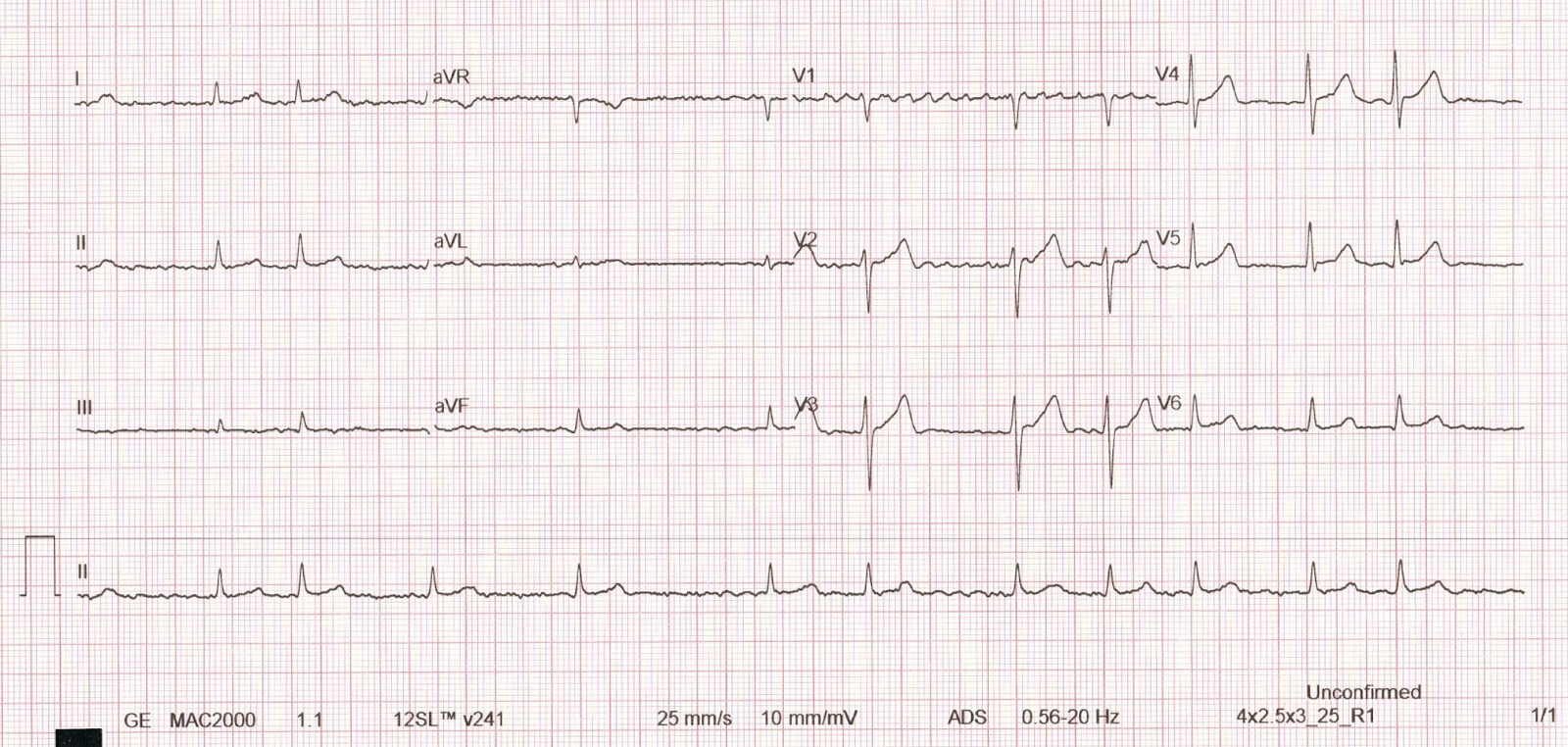
After a thorough evaluation, the team of arrhythmia subspecialists at Heartology, led by dr. Sunu Budhi Raharjo, Sp.JP(K), PhD, concluded that medication alone was not enough to control the patient’s atrial fibrillation. Considering the patient’s relatively good general health and his history of controlled hypertension, a Pulsed Field Ablation (PFA) procedure was chosen as the appropriate treatment option. PFA was considered because its risk of thermal injury is lower than that of conventional ablation methods.
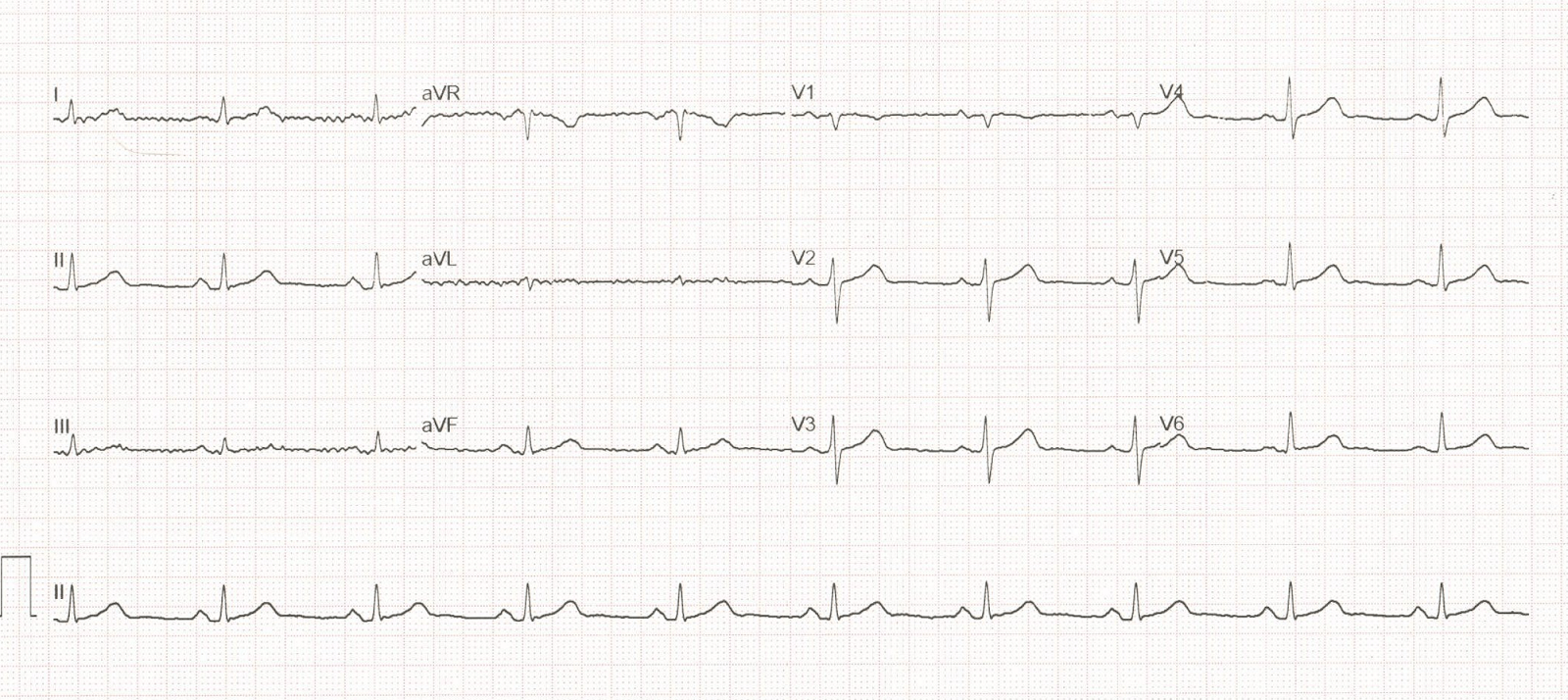
After the PFA procedure, the patient’s heart rhythm returned to normal. He experienced a significant improvement in energy and stamina. The shortness of breath and fatigue he had previously experienced decreased dramatically.
Conclusion
Pulsed Field Ablation (PFA) offers a promising new approach to treating heart arrhythmias, particularly atrial fibrillation. As a relatively new procedure, PFA shows potential to reduce the risk of complications and speed up recovery time compared with conventional ablation methods. Although it has potential side effects, the success of this procedure depends on appropriate patient selection and careful post-procedure monitoring.
However, it is important to remember that prevention remains the key to maintaining heart health. By adopting a healthy lifestyle, including a balanced diet, regular exercise, and avoiding smoking, we can significantly reduce the risk of heart disease.
Schedule regular health checkups to monitor your heart health and that of your family. Talk to your doctor about your concerns and the recommended ways to stay healthy, especially when it comes to heart health. The right information and timely preventive action can help protect you and your family from the risk of serious disease. Remember, prevention is always better than cure.
At Heartology Cardiovascular Hospital, the team of cardiovascular specialists can explain your condition, procedures, and the risks and benefits of ablation, and answer your questions about heart and blood vessel health.
Keep as a reminder
Checklist before Your Consultation
Tick what you have prepared.
0 of 6 items checked
Checks are kept only while this page is open.
After reading
Discuss Your Questions with a Doctor.
Bring your notes and any test results you want to discuss. A consultation helps decide which tests and treatment are right for you.
Our team confirms the schedule and what you need for your visit. The information on this page is for educational purposes and does not replace medical consultation, diagnosis, or treatment. For any health concerns, please consult a doctor directly.
Doctors Related to This Topic

dr. Sunu B. Raharjo, Sp.JP(K), Ph.D.
Arrhythmia and Electrophysiology
Arrhythmia and Device Center
Clinical focusClinical and Interventional Electrophysiology · Cardiac Arrhythmia Ablation
View Profile
Dr. dr. Dicky A. Hanafy, Sp.JP(K)
Arrhythmia and Electrophysiology
Arrhythmia and Device Center +1 center
Clinical focusElectrophysiology and Arrhythmia Ablation · Pacemaker and ICD Implantation
View Profile
Dr. dr. Faris Basalamah, Sp.JP(K)
Interventional Cardiology
Coronary Intervention Procedures +1 center
Clinical focusComplex Coronary Intervention · Cardiac Electrophysiology
View ProfileFrequently Asked Questions.
Here are some frequently asked questions about Pulsed Field Ablation (PFA).
Is the PFA Procedure Painful?
During the PFA procedure, you will be given a sedative to help you feel comfortable and relaxed. You may feel slight discomfort or pressure at the catheter insertion site, but you generally will not feel severe pain. After the procedure, there may be some mild discomfort in the chest, which can be managed with pain relievers.
Are the Results of the PFA Procedure Permanent?
Although PFA aims to provide permanent results, there is no guarantee of 100% success. The arrhythmia may come back in some patients. The success of the procedure and how long its effects last depend on several factors, including the type and severity of the arrhythmia and the patient's overall health.
Are There Other Procedures as Alternatives to PFA?
Yes, there are several alternative procedures for treating heart arrhythmias, including radiofrequency ablation, cryoablation, and medical therapy. Your doctor will recommend a suitable treatment option based on the patient's condition, the type and severity of the atrial fibrillation, and other factors.
How Much Does the PFA Procedure Cost?
The cost of a PFA procedure can vary depending on several factors, including the hospital, the geographic location, and the patient's individual needs. It is advisable to consult directly with the hospital or clinic that offers the PFA procedure to find out a more accurate cost.
Sources and Transparency.
The information on this page is for educational purposes and does not replace medical consultation, diagnosis, or treatment. For any health concerns, please consult a doctor directly.
If you find information that needs clarifying, let us know through our Contact Us page.