
Quick answer
Varicose veins are widened veins that bulge and twist, mainly in the legs, caused by weakened vein valves that allow blood to pool. Causes include heredity, age, pregnancy, excess weight, and the habit of standing or sitting for long periods. Treatment includes compression stockings, lifestyle changes, sclerotherapy, laser or radiofrequency ablation, and surgery, depending on the doctor's examination. Prevention includes regular exercise, maintaining your weight, and not standing or sitting for too long.
Varicose veins are not just a cosmetic problem; they can also cause various kinds of discomfort and health complications. Preventing and managing varicose veins is an important step in keeping your blood vessels healthy, especially if you are at high risk of developing this condition.
Varicose veins are a common health problem experienced by many people, marked by the appearance of swollen, twisting blood vessels, especially in the legs. This condition not only affects appearance but can also cause discomfort and even health complications. This article covers in full what varicose veins are, how they form, and the various ways to manage and prevent them.
What Are Varicose Veins?
Varicose veins are a condition in which chronic venous valve insufficiency occurs. Clinically, varicose veins can be seen as blood vessels that look blue, twisted, and enlarged, are always clearly visible, and in many cases can get worse over time. Varicose veins are most commonly seen in the legs because the pressure of standing or walking increases the pressure in the blood vessels of the lower body.
The venous system is responsible for returning blood from all over the body to the heart. Normally, veins have one-way valves that keep blood flowing in the right direction without flowing backward. When these valves weaken or are damaged, blood can pool inside the veins, causing swelling, and varicose veins eventually form.
How Do Varicose Veins Form?
Varicose veins begin to form when the valves inside the veins do not work properly. These valves prevent blood from flowing backward as blood flows toward the heart. When the valves weaken, blood can flow backward and collect in the veins. The pressure from this pooled blood causes the vein walls to stretch and bulge, making the veins look raised under the skin.
Factors such as older age, genetics, excess weight, and pregnancy can increase the risk of varicose veins. In addition, the habit of standing or sitting for long periods without moving can also contribute to the formation of varicose veins, because it affects smooth blood flow in the veins.
Although varicose veins are often seen as a cosmetic problem, they can also cause discomfort and even complications, including pain, swelling, or, in severe cases, circulation problems.
Causes of Varicose Veins
The causes of varicose veins can be influenced by many factors, from genetics to lifestyle. Understanding these factors can help you know how to prevent and manage them.
1. Genetic and Hereditary Factors
Genetics plays an important role in the formation of varicose veins. If members of your family, such as your parents or siblings, have varicose veins, your risk of developing them is also higher. Inherited genes can affect the strength of the vein walls and the valves inside them, which can potentially lead to weak veins and the formation of varicose veins. Studies show that about 80% of people with varicose veins have a family history of the same condition.
2. Lifestyle Contributions
Lifestyle also plays a significant role in the risk of developing varicose veins. Jobs that require you to stand or sit for long periods, such as work in hospitality or in an office, can increase the pressure on the veins in your legs. A lack of physical activity reduces blood circulation, allowing blood to pool in the veins and cause varicose veins.
On the other hand, regular exercise such as walking or swimming improves blood circulation and muscle strength, helping to prevent varicose veins. A poor diet, especially one high in salt, can cause fluid retention and extra pressure on the veins, also contributing to the formation of varicose veins.
3. The Effects of Pregnancy and Hormonal Changes
Pregnancy increases the risk of varicose veins because of the increase in blood volume in the body, which adds to the load on the veins. This is compounded by hormonal changes that relax the vein walls to allow greater blood flow, increasing the risk of varicose veins. In addition, the growing fetus puts pressure on the veins in the pelvic area, hindering blood flow from the legs back to the heart. Varicose veins that develop during pregnancy usually improve within three to 12 months after giving birth.
4. The Effects of Age and Sex
Age is also a major factor; as you get older, blood vessels and valves naturally weaken, increasing the risk of varicose veins. Women are more prone to varicose veins than men, largely because of hormonal influences. Hormones such as estrogen can weaken blood vessel walls, and the use of oral contraceptives or hormone replacement therapy can further increase the risk.
Symptoms and Signs of Varicose Veins
Identifying the symptoms and signs of varicose veins is an important step in understanding and managing this condition. Varicose veins are not just a cosmetic problem; they can also cause various kinds of discomfort and health complications.
Common Symptoms of Varicose Veins
- Pain: Often felt in the legs, especially after standing or sitting for a long time. This pain can feel like heavy or aching legs.
- Swelling: Especially in the ankles or the area affected by varicose veins. The swelling is more noticeable after a long day with a lot of activity.
- Itching: An itchy feeling around the bulging veins. This can cause discomfort and is sometimes mistaken for dry skin.
Visual Signs
- Bulging Veins: Twisted veins that bulge on the surface of the skin, usually blue or purple in color. These blood vessels are very visible when standing.
- Skin Changes: The skin around the affected area may change color or become darker, often seen close to the varicose veins.
Possible Complications
- Skin Ulcers: Painful sores can develop on the skin near the ankle when pressure builds up in those blood vessels. These ulcers are hard to heal and require prompt medical care.
- Thrombophlebitis: Inflammation of a vein that causes swelling, redness, and pain in the area of the vein. This condition requires medical attention to prevent further complications.
Methods for Diagnosing Varicose Veins
To make sure varicose veins are diagnosed correctly, doctors use various methods that can help them understand the condition of a patient’s veins thoroughly. Below are the commonly used methods, from a direct physical examination to the use of more sophisticated technology such as Doppler ultrasound and venography.
Physical Examination by a Doctor
In the early stage of diagnosing varicose veins, the doctor will perform a physical examination to get a clear picture of the patient’s condition. This process includes:
- Direct Observation: The doctor will look at the affected area of the body to see bulging blood vessels and changes in skin color. Patients are often asked to stand so that the blood vessels are more clearly visible.
- Palpation: The doctor may gently press the affected area to feel for any swelling or tenderness. This helps assess the general health of the blood vessels.
- Symptom History: The patient is asked to describe their symptoms, such as pain or heaviness in the legs, and whether factors such as standing for a long time or certain activities make the symptoms worse.
Use of Doppler Ultrasound and Venography
To get more information about the condition of the veins, the doctor may use more sophisticated imaging techniques such as Doppler ultrasound, a method of diagnosing varicose veins that uses sound waves to examine blood flow in the veins. This examination can help assess whether the valves inside the veins are working properly and detect abnormal blood flow. This noninvasive procedure is quick and does not hurt: a small device is placed on the skin to obtain images of the blood flow.
This approach helps the doctor determine how far the varicose veins have developed and plan the appropriate treatment for each patient.
Treatment Options for Varicose Veins
Here are the treatment options for varicose veins that may be considered, depending on the severity and the patient’s health condition:
Non-Surgical Treatment
Compression therapy is one of the methods often recommended for varicose veins. It involves wearing special stockings that put pressure on the legs to improve blood circulation back to the heart, reduce swelling, and prevent blood clots in the veins.
In addition, lifestyle changes such as increasing physical activity with light exercise like walking or swimming, and maintaining a healthy, balanced, low-salt diet, can help prevent and reduce the symptoms of varicose veins.
Minimally Invasive Procedures
Minimally invasive procedures can be a relatively comfortable option for people with varicose veins who are looking for a way to relieve bothersome symptoms without undergoing major surgery. These methods include sclerotherapy, endovenous laser treatment (EVLT), and radiofrequency ablation.
- Sclerotherapy: a technique that involves injecting a special solution into the affected vein to make the vein shrink and close.
- Endovenous Laser Treatment (EVLT): a technique for treating varicose veins that uses laser energy to close the problematic vein from the inside.
- Radiofrequency Ablation: another method that uses radiofrequency technology to heat and close the vein.
These three procedures generally cause minimal pain and usually have a short recovery time, so patients can soon return to their daily activities.
Conventional Surgery
For more severe cases of varicose veins, vein stripping and ligation may be needed. These procedures involve making small incisions to remove or tie off the damaged veins. Although the recovery time is longer than with minimally invasive procedures, conventional surgery can be an option for treating large and complex varicose veins.
Consulting a doctor is an important step in determining the appropriate treatment, making sure that every option is chosen based on the patient’s needs and health condition.
Prevention and Management of Varicose Veins
Preventing and managing varicose veins is an important step in keeping your blood vessels healthy, especially if you are at high risk of developing this condition. Here are some prevention and management tips that may help:
Prevention Tips to Reduce the Risk of Varicose Veins
- Regular Physical Activity: Doing light exercise such as walking, swimming, or cycling regularly can improve blood circulation in the legs and strengthen the calf muscles, which help pump blood back to the heart.
- Maintain an Ideal Body Weight: Excess body weight adds pressure on the veins, especially in the legs. By maintaining a healthy weight, you can reduce the risk of developing varicose veins.
- Avoid Standing or Sitting for Too Long: Taking breaks to move around if your job requires you to stand or sit for long periods can help prevent varicose veins from forming. Try to move every few minutes to keep your blood flowing.
- Wear Loose Clothing: Tight clothing can restrict circulation. Choose clothes that do not restrict blood flow in the legs.
- Leg Elevation: When sitting or lying down, try to raise your legs as high as possible to help blood flow back to the heart more easily.
Managing Existing Varicose Veins
- Self-Care:
- Wearing Compression Stockings: These can help relieve symptoms by supporting the return of blood to the heart.
- Balanced Diet: Eating foods that are high in fiber and low in salt can reduce the risk of swelling and help keep your blood vessels healthy.
- Ongoing Therapy:
- Regular Consultations With a Doctor: Making sure you monitor how the condition develops and get timely treatment is important in preventing it from getting worse.
- Medical Procedures: If needed, talk to your doctor about further steps such as minimally invasive surgical therapy, which may be suitable for your condition.
Keep as a reminder
Checklist before Your Consultation
Tick what you have prepared.
0 of 6 items checked
Checks are kept only while this page is open.
After reading
Discuss Your Questions with a Doctor.
Bring your notes and any test results you want to discuss. A consultation helps decide which tests and treatment are right for you.
Our team confirms the schedule and what you need for your visit. The information on this page is for educational purposes and does not replace medical consultation, diagnosis, or treatment. For any health concerns, please consult a doctor directly.
Doctors Related to This Topic
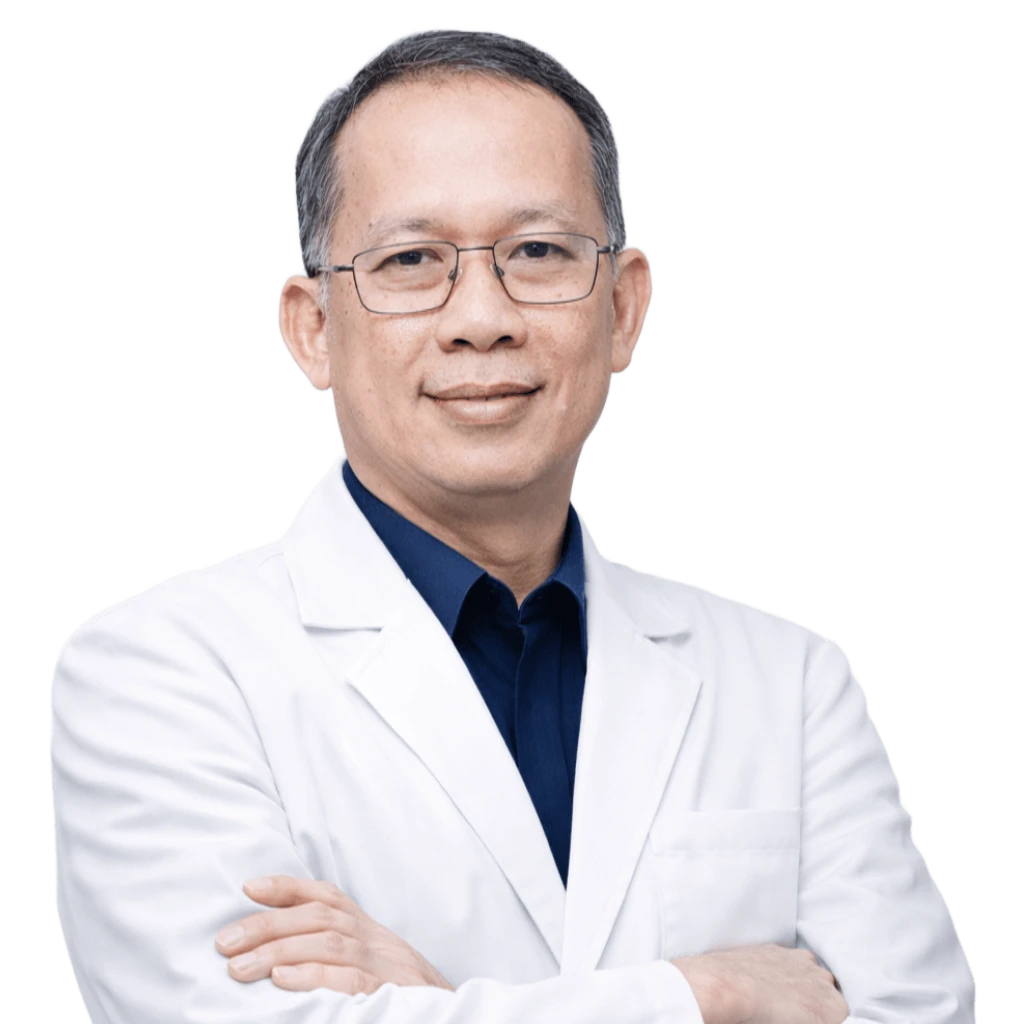
dr. Suko Adiarto, Sp.JP(K), Ph.D.
Interventional Cardiology
Vascular Diagnostic and Therapeutic Center +1 center
Clinical focusCoronary Intervention · Peripheral Vascular Intervention
View Profile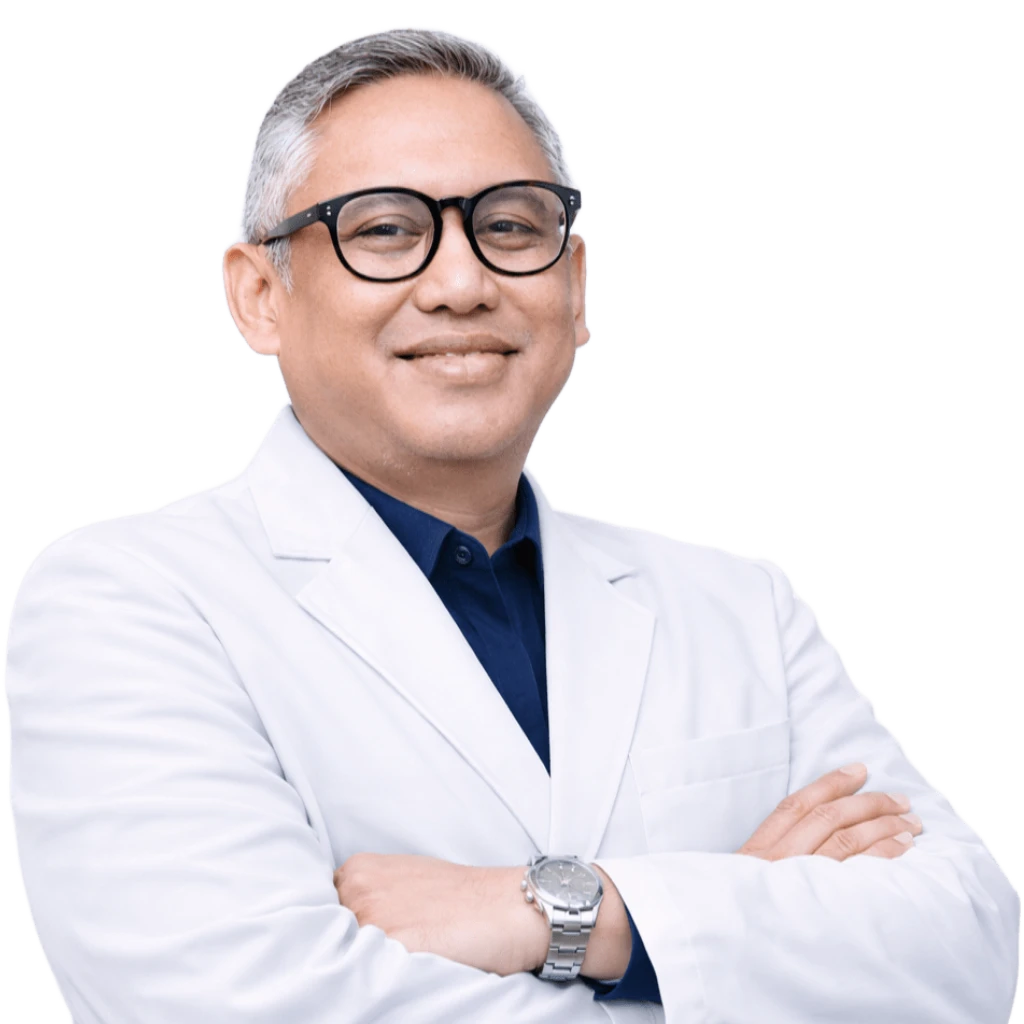
dr. Emanoel Oepangat, Sp.JP(K)
Interventional Cardiology
Vascular Diagnostic and Therapeutic Center +1 center
Clinical focusCoronary Intervention · Peripheral Vascular Intervention
View Profile
dr. Rr. Pasati Lintangella, Sp.BTKV
Thoracic & Cardiovascular Surgery
Advanced Cardiovascular Surgical Care +1 center
Clinical focusAdult Cardiac Surgery · Coronary Artery Bypass Surgery
View ProfileFrequently Asked Questions.
Here are some frequently asked questions about varicose veins.
Can Varicose Veins Be Cured?
Varicose veins cannot always be completely "cured" in the sense of restoring the blood vessels to their original, perfect state. However, the symptoms can be managed and their appearance can be improved. Treatment aims to relieve symptoms such as pain, swelling, and a feeling of heaviness in the legs, and to improve the cosmetic appearance.
How Can You Get Rid of Varicose Veins?
It depends on the severity. Ways to get rid of or treat varicose veins vary, from lifestyle changes (regular exercise, maintaining an ideal body weight, avoiding standing or sitting for too long) and wearing compression stockings to medical procedures such as sclerotherapy, laser treatment, or surgery. The doctor will determine the appropriate treatment based on each individual's condition.
Can Varicose Veins Go Away on Their Own?
No, varicose veins generally do not go away on their own. In fact, they usually get worse over time if left untreated.
Can Varicose Veins Be Completely Cured?
A "complete cure" in the sense of the veins returning to their original state may not happen. However, appropriate treatment can help relieve symptoms and improve the appearance of the legs.
How Can You Get Rid of Varicose Veins Quickly?
Medical procedures such as sclerotherapy or laser therapy can be a relatively quick option for treating varicose veins, but you should discuss these options with your doctor.
Is It Okay to Massage Legs With Varicose Veins?
A gentle massage may help reduce discomfort, but a hard or improper massage can actually make the condition worse. It is advisable to consult a doctor or physiotherapist before massaging legs affected by varicose veins to make sure the technique is safe and effective.
Sources and Transparency.
The information on this page is for educational purposes and does not replace medical consultation, diagnosis, or treatment. For any health concerns, please consult a doctor directly.
If you find information that needs clarifying, let us know through our Contact Us page.