Quick answer
Blood thinners are medications that inhibit the formation of blood clots. They include anticoagulants such as warfarin and DOACs, as well as antiplatelets such as aspirin and clopidogrel. Their benefit is helping lower the risk of stroke, heart attack, and recurrent thrombosis in patients with certain indications. Their main risk is bleeding, so they need to be used as prescribed and monitored regularly by a doctor.
A complete, evidence-based guide to blood thinners, written for patients and families so you can feel calmer and better understand the therapy you are receiving.
Imagine you have just been diagnosed with atrial fibrillation or have just undergone a heart stent placement procedure. Your doctor then prescribes blood thinners as part of your follow-up therapy. On the one hand, you want to prevent a stroke or a heart attack. On the other hand, a very human worry comes up: Is this medication safe? What if bleeding occurs?
These feelings are not a sign that you are weak; on the contrary, they show that you care about your own health.
In fact, heart rhythm disorders such as atrial fibrillation can increase the risk of blood clots forming in the heart. These clots can travel to the brain and cause a stroke. For this reason, various international guidelines from the American Heart Association and the European Society of Cardiology recommend anticoagulant therapy for patients with certain risk factors to significantly reduce the likelihood of stroke.
Similar recommendations are also affirmed by the Indonesian Heart Association (Perhimpunan Dokter Spesialis Kardiovaskular Indonesia, PERKI) in its consensus on the management of atrial fibrillation in Indonesia. This means that using these medications is not just an optional extra, but part of a long-term, evidence-based protection strategy.
Even so, blood thinners do affect the blood clotting system, so the risk of bleeding needs to be monitored carefully. For this reason, your doctor will weigh the balance between benefits and risks before prescribing them. Choosing the type of medication, the dose, and regular monitoring, including certain laboratory tests for some types of medication, are all important parts of therapy.
This is where education becomes very important. Not only to understand the benefits, but also to recognize warning signs and know when to consult your doctor again.
Patients who understand their therapy generally feel calmer and more confident. This guide helps you go through blood thinner therapy safely and with clear direction.
Through this guide, you will learn:
- What blood thinners actually are
- How they work to prevent blood clots
- Who needs this therapy
- The risks and warning signs to watch out for
- As well as steps for using them safely in daily life
So, before worry grows into fear, let’s first understand how blood thinners work and why doctors recommend them. In the next section, we will start with the most basic question: what are blood thinners?
Read also:
- Atrial Fibrillation: Symptoms, Causes, Risk Factors, and Treatment
- Beware of Stroke! Recognize the Early Symptoms, Recovery, and Prevention
- Beware of Heart Attacks! Understand the Causes, Symptoms, and Treatment
What Are Blood Thinners?
Blood thinners is a general term for medications that help prevent dangerous blood clots from forming inside blood vessels. However, these medications do not actually “thin” the blood the way adding water thins a thick liquid. Instead, they work by inhibiting the blood clotting process (coagulation) or preventing blood platelets (thrombocytes) from sticking together, so that clots do not form or do not grow larger.
This explanation is in line with educational materials from the American Heart Association and Mayo Clinic, which explain that blood thinner is a lay term for two main groups of medications:
- Anticoagulants → inhibit blood clotting proteins (for example, warfarin or direct oral anticoagulants / DOACs).
- Antiplatelets → prevent platelets from sticking together (for example, aspirin or clopidogrel).
Both share the same goal, which is to reduce the risk of life-threatening blood vessel blockages.
Why Can Blood Clots Be Dangerous?
The body does need the blood clotting process to stop bleeding when an injury occurs. However, problems arise when clots form inside blood vessels without any injury.
In fact, uncontrolled blood clots can:
- Block blood flow to the brain → causing a stroke
- Obstruct blood flow to the heart → triggering a heart attack
- Block blood vessels in the lungs → causing a pulmonary embolism
Rhythm disorders such as atrial fibrillation increase the risk of blood clots forming in the heart, which can travel to the brain and cause a stroke. For this reason, in patients with certain risk factors, anticoagulant therapy is recommended to prevent serious complications.
The Role of Blood Thinners in Preventing Heart Disease and Stroke
Blood thinners are not given carelessly. Your doctor will assess each patient’s condition individually, weighing the benefits and risks.
In general, this therapy plays a role in:
1. Stroke Prevention
In patients with atrial fibrillation or a history of stroke, the risk of blood clot formation increases. Anticoagulants help lower that risk by inhibiting clot formation in the heart.
2. Heart Attack Prevention
In patients with coronary heart disease or after the placement of a heart stent, antiplatelet medications help prevent clotting in the heart’s blood vessels.
3. Certain Heart Conditions
For example, in patients with:
- Artificial heart valves
- A previous history of thrombosis
- Certain cardiovascular interventional procedures
The choice of therapy always takes into account the balance between preventing clots and the risk of bleeding. For this reason, using these medications requires regular medical supervision.
Read also:
- Pulmonary Embolism: Symptoms, Causes, Treatment, and Prevention
- Coronary Heart Disease: Symptoms, Prevention, and Treatment at Heartology
Why Is This Understanding Important for Patients?
Many patients feel anxious when they hear the term blood thinners. Frankly, this worry is understandable. However, the right understanding helps you see the bigger picture.
In fact, the main goal of this therapy is to protect vital organs such as the brain and heart from sudden blockages. So, it is not that the blood is made too thin, but rather that the clotting process is controlled in a measured way.
For this reason, your doctor will assess each patient thoroughly before recommending blood thinners. Not everyone needs them. However, for those with certain risks, this therapy can be an important step to maintain quality of life and prevent serious complications in the future.
Now that you understand the definition, the next question that often comes up is: how do these medications actually work in the body? In the next section, we will discuss in more depth how blood thinners work.
How Do Blood Thinners Work?
Understanding how blood thinners work helps you see that this therapy does not make the blood “thin,” but rather controls the blood clotting process so that it does not become excessive. This process is actually very natural and important for the body. However, under certain conditions, a mechanism that is meant to protect can instead become harmful.
To understand this, let’s start with how blood clots form.
How Blood Clots Form (Coagulation)
The body has a defense system called hemostasis, a mechanism for stopping bleeding when an injury occurs. The process takes place in stages:
- First, the blood vessels narrow to reduce blood flow.
- Second, platelets (thrombocytes) gather and stick to the injured area.
- Then, the body activates a series of proteins called coagulation factors to form fibrin strands that reinforce the plug.
This mechanism is very important for preventing excessive bleeding. Without this system, even a small wound could become dangerous.
However, blood clots become a problem when they form inside blood vessels without any external wound. As a result, blood flow can become blocked. If the blockage occurs in the:
- Brain → it can cause a stroke
- Heart → it can trigger a heart attack
- Lungs → it can cause a pulmonary embolism
In conditions such as atrial fibrillation, blood flow in the heart becomes irregular, so blood tends to “pool”. As a result, the risk of clot formation increases.
This is where blood thinners play an important role.
How Anticoagulants and Antiplatelets Work
Broadly speaking, blood thinners work through two main mechanisms:
- Inhibiting clotting factors (anticoagulants)
- Preventing platelets from sticking together (antiplatelets)
Although their goal is the same, preventing dangerous blockages, the way they work is different.
Anticoagulants: Inhibiting the Fibrin Formation Process
Anticoagulants work at the stage where the “reinforcing mesh” of the blood clot, namely fibrin, is formed.
Examples include:
- Warfarin
- DOACs (Direct Oral Anticoagulants) such as Apixaban or Rivaroxaban
Anticoagulants are often used in patients with atrial fibrillation, artificial heart valves, or a history of blood clots.
Simply put, if blood clotting is likened to building a wall, anticoagulants work by reducing the amount of mortar. The wall can still be built when needed, but it does not form excessively so easily.
For this reason, anticoagulants are very important in preventing stroke in patients with heart rhythm disorders.
Antiplatelets: Preventing Platelets From Clumping Together
Unlike anticoagulants, antiplatelets work at an earlier stage of the clotting process.
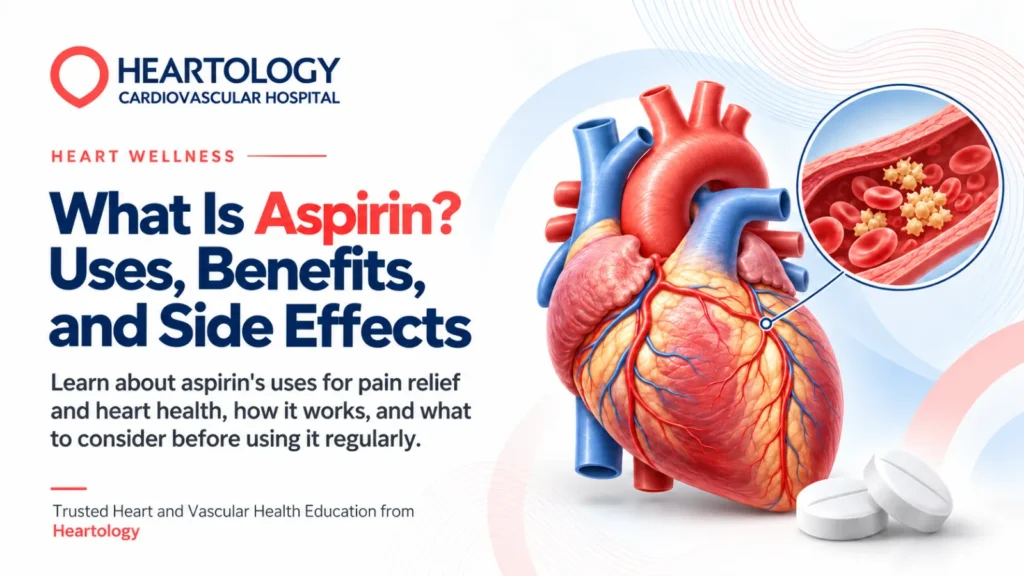
The most common example is aspirin for the heart. Aspirin helps reduce the ability of platelets to stick together, so the formation of the initial plug can be prevented.
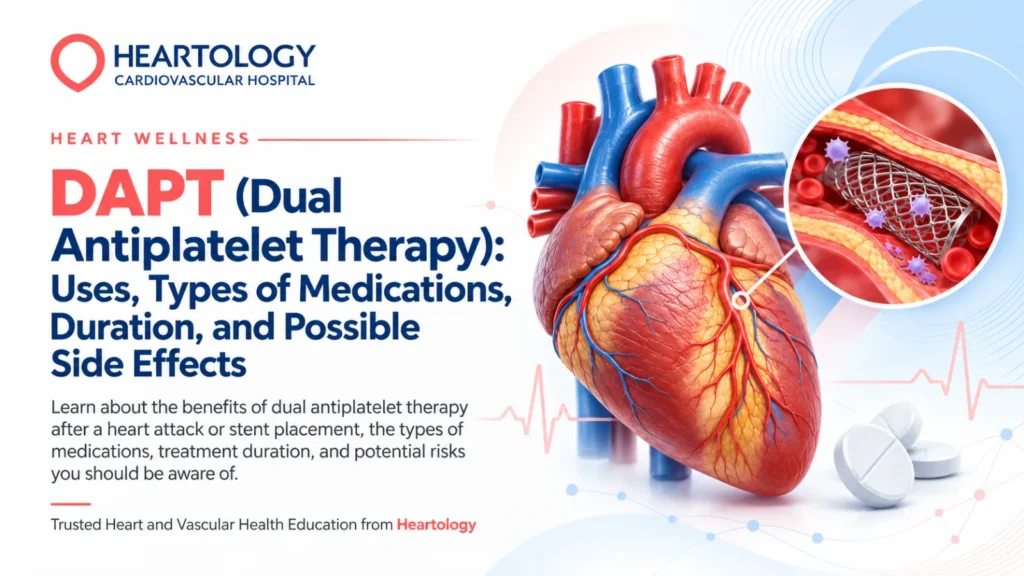
Low-dose aspirin is often prescribed after a heart attack or a heart stent placement procedure to prevent the heart’s blood vessels from becoming blocked again.
As an analogy, antiplatelets work like preventing the first bricks from sticking together, so the blockage does not have a chance to form.
Why Is It Important to Understand How They Work?
Indeed, many patients feel anxious when they are prescribed blood thinners. However, understanding how blood thinners work helps you realize that this therapy is designed in a specific and measured way.
Not only does it prevent stroke, but it also protects the heart from sudden blockages. On the other hand, this medication still requires medical supervision because the body still needs the clotting process when an injury occurs.
For this reason, your doctor will thoroughly weigh the benefits and risks before prescribing therapy.
Now that you understand how these medications work, the next equally important question is: who actually needs blood thinners? In the next section, we will discuss the medical conditions that require this therapy in more detail.
Who Needs Blood Thinners?
In general, blood thinners are recommended for people who have a high risk of developing blood clots that can cause a stroke, heart attack, or other blood vessel blockages. However, not everyone needs them. Your doctor will assess the balance between the benefit of preventing clots and the risk of bleeding before prescribing them.
The following are the conditions that most often require this therapy.
1. Atrial Fibrillation (Heart Rhythm Disorder)
Atrial fibrillation is one of the most common reasons a person needs blood thinners.
In this condition, the heart rhythm is irregular, so blood flow inside the heart can slow down. As a result, blood forms clots more easily. If such a clot breaks loose and travels to the brain, a stroke can occur.
For this reason, patients with atrial fibrillation and certain risk factors, such as older age, hypertension, diabetes, or a history of stroke, are often advised to use anticoagulants. However, the doctor still considers the risk of bleeding before starting therapy.
2. After Heart Stent Placement
After a heart stent placement procedure, platelets can stick to that area more easily, especially in the early phase after the procedure.
As a consequence, patients usually need antiplatelet medications such as aspirin for the heart, often combined with other medications for a certain period of time. The goal is to prevent the blood vessels that have been opened from becoming blocked again.
This recommendation is in line with guidelines from the American Heart Association on antiplatelet therapy after coronary intervention. However, the duration and combination of medications differ for each patient, depending on the type of stent and their risk profile.
3. History of Stroke or TIA
Patients who have had a stroke caused by a blocked blood vessel have a higher risk of recurrence. For this reason, doctors often prescribe blood thinners as secondary prevention.
The type of medication given depends on the cause of the stroke:
- If it is related to atrial fibrillation → anticoagulants are more often used.
- If it is caused by narrowing of the blood vessels due to plaque → antiplatelets are more commonly recommended.
This approach is supported by guidelines from the American Stroke Association, which emphasize the importance of preventive therapy to lower the risk of recurrent events.
4. Certain Heart Valve Diseases
Patients with mechanical artificial heart valves almost always need long-term anticoagulants. This is because the risk of clots forming on the surface of the artificial valve is quite high.
In addition, some heart valve abnormalities accompanied by rhythm disorders can also increase the risk of thrombosis. For this reason, a thorough evaluation is essential before deciding on therapy.
5. High Risk of Blood Clots (Thrombosis)
Several other conditions can also increase the risk of blood clotting, such as:
- A history of deep vein thrombosis (DVT)
- Pulmonary embolism
- Certain blood clotting disorders
- Long-term immobilization
- Heart failure with very weak pumping function
In these situations, blood thinners may be used temporarily or long term, depending on the cause and the risk of recurrence.
Not Everyone Needs to Take Blood Thinners
Indeed, blood thinners play an important role in preventing serious complications. However, they are not a routine supplement that can be taken without a medical indication.
Because they work by inhibiting the clotting process, this therapy also carries a risk of bleeding. Therefore, your doctor will individually assess:
- The risk of stroke or blood vessel blockage
- The risk of bleeding
- Age and general health condition
- Other medications currently being used
This approach helps ensure that the benefits of therapy outweigh the risks.
Each patient has a unique risk profile. For this reason, the decision to use blood thinners needs to be based on a thorough clinical evaluation and current guidelines.
Types of Blood Thinners
Blood thinners do not actually “thin” the blood. In fact, they work by inhibiting the clotting process or preventing platelets from sticking together, so the risk of dangerous blood clots forming can be reduced.
In general, blood thinners fall into two major groups:
- Anticoagulants → slow down the process of blood clot formation.
- Antiplatelets → prevent blood platelets (thrombocytes) from sticking together.
The choice of medication must take into account the diagnosis, bleeding risk, kidney function, age, and other medications the patient is taking. For this reason, understanding the differences between each type is very important before starting therapy.
Warfarin (Conventional Anticoagulant)
Warfarin is one of the blood thinners that has been used for decades. To this day, warfarin is still prescribed for certain conditions such as atrial fibrillation, mechanical heart valves, or deep vein thrombosis.
General Mechanism
Warfarin works by inhibiting the role of vitamin K in the liver. Vitamin K is needed to form several blood clotting factors. When vitamin K activity is suppressed, the clotting process slows down.
As a result, the risk of blood clots forming is reduced. However, each person’s response to warfarin can differ.
Requires INR Monitoring
One of the main characteristics of warfarin is the need for routine monitoring through the INR (International Normalized Ratio) test.
- INR too low → the blood still clots easily.
- INR too high → the risk of bleeding increases.
Therefore, patients need to have regular laboratory check-ups. The American College of Cardiology emphasizes the importance of keeping the INR within the target range so that therapy remains safe and effective.
Interactions With Food (Vitamin K)
Warfarin also interacts with foods high in vitamin K, such as green vegetables (spinach, broccoli, mustard greens).
However, this does not mean these foods must be avoided. Instead, what matters most is keeping your diet consistent. In addition, some antibiotics and herbal medicines can affect how warfarin works.
Because of these characteristics, using warfarin requires discipline and regular communication with your doctor.
DOACs (Newer-Generation Anticoagulants)
Later, DOACs (Direct Oral Anticoagulants), or newer-generation oral anticoagulants, were developed, such as Dabigatran, Rivaroxaban, Apixaban, and Edoxaban.
DOACs are widely recommended for non-valvular atrial fibrillation and venous thromboembolism in certain patients.
General Advantages
DOACs work more specifically, by directly inhibiting thrombin or factor Xa in the blood clotting process.
Because their mechanism is more targeted:
- The dose is usually fixed
- The drug response is more stable
- There are fewer food interactions
- The onset of action is faster
Not only is this practical, but it also makes it easier for patients to stay on long-term therapy.
Do Not Always Need Routine Monitoring Like Warfarin
Unlike warfarin, DOACs generally do not require routine INR monitoring.
However, the doctor still needs to evaluate kidney function and bleeding risk periodically. As a consequence, patients are still advised to have regular check-ups, although not as often as warfarin users.
Even so, DOACs are not suitable for every condition. In patients with mechanical heart valves or severe kidney impairment, warfarin is often still the main choice.
Aspirin and Other Antiplatelets
Besides anticoagulants, there is the antiplatelet group, such as aspirin and clopidogrel. This group is also often called blood thinners, but its mechanism is different.
Used in Certain Conditions
Low-dose aspirin is widely used in:
- Coronary heart disease
- After heart stent placement
- A history of heart attack
- Certain ischemic strokes
Antiplatelet therapy plays an important role in preventing recurrent cardiovascular events.
However, for primary prevention (without a history of heart disease), aspirin use is now more selective because the risk of bleeding must be carefully considered.
Not the Same as Anticoagulants
Antiplatelets work by inhibiting platelets so they do not stick together. In contrast, anticoagulants work on the clotting factors in blood plasma.
Therefore, although both are considered blood thinners, their indications and use differ. Your doctor will tailor the choice of medication to the cause and location of the blood clot risk.
Why Is It Important to Understand the Types of Blood Thinners?
Understanding the differences between the types of blood thinners helps patients:
- Understand why the doctor chose a particular medication
- Know why routine check-ups are important
- Recognize potential side effects early
Every medication has benefits and risks. So, therapy decisions are always individual and based on a thorough medical evaluation.
Benefits of Blood Thinners
Blood thinners provide major benefits in preventing serious complications caused by blood clots, especially in patients with high cardiovascular risk. However, these benefits are optimal when they are used according to medical indications and under a doctor’s supervision.
Anticoagulant and antiplatelet therapy can reduce the occurrence of stroke, heart attack, and recurrent thrombosis in certain groups of patients. For this reason, understanding their benefits helps patients make calmer and more rational decisions.
Here are the main benefits you should know about.
1. Lowering the Risk of Stroke
One important benefit of blood thinners is lowering the risk of stroke, particularly in patients with atrial fibrillation.
In atrial fibrillation, the heartbeat is irregular, so blood flow inside the heart becomes turbulent. As a result, blood clots form more easily. If such a clot travels to the brain, an ischemic stroke can occur.
Using anticoagulants in patients with certain risk factors can lower the likelihood of stroke.
Why is this important? Because a stroke is not only life-threatening, but can also cause permanent paralysis and cognitive impairment. With the right therapy, that risk can be meaningfully reduced.
2. Preventing Heart Attacks
A heart attack occurs when a coronary blood vessel is blocked by a blood clot that forms on top of cholesterol plaque.
In this context, antiplatelets such as aspirin help prevent platelets from sticking together and forming a new blockage. This therapy is recommended for patients with:
- A history of heart attack
- Coronary heart disease
- A recent heart stent placement
Long-term antiplatelet therapy plays an important role in preventing recurrent heart events (secondary prevention).
Even so, the doctor still assesses the bleeding risk before prescribing it. So, the benefits are real, but they still need to be personalized.
3. Preventing Recurrent Blood Clots
Patients with a history of deep vein thrombosis (DVT) or pulmonary embolism have a risk of recurrence, especially in the early phase after the first event.
Anticoagulants work by:
- Stopping existing clots from growing larger
- Preventing new clots from forming
- Reducing the risk of life-threatening complications
Guidelines from the European Society of Cardiology recommend therapy for a specific duration based on the cause and the patient’s risk profile.
As a consequence, some patients need therapy for only a few months, while others may need long-term treatment.
4. Improving Quality of Life in High-Risk Patients
Beyond preventing acute events, blood thinners also contribute to long-term quality of life.
How?
- Reducing anxiety about the risk of stroke or heart attack
- Providing a sense of security during daily activities
- Helping keep the heart and blood vessels in a stable condition
In fact, in the secondary prevention strategy recommended by the American Heart Association, antithrombotic therapy is an important part of comprehensive care for heart patients.
However, balance remains the main principle. The significant benefits must always be considered together with the potential risk of bleeding.
Optimal Benefits Come From Proper Use
Overall, blood thinners help lower the risk of stroke, prevent heart attacks, and reduce recurrent blood clots in patients with clear medical indications.
However, this therapy is not for everyone. Your doctor will consider:
- The risk of clotting
- The risk of bleeding
- Coexisting conditions
- Age and organ function
For this reason, the use of blood thinners must be individualized, monitored, and measured.
After understanding the benefits, it is also important to know the risks and side effects of blood thinners, so that you can use this therapy more safely and wisely.
Risks and Side Effects of Blood Thinners
Although their benefits are significant, blood thinners still carry risks that need to be understood from the start. The main and most common risk is bleeding, because these medications are designed to slow down the blood clotting process.
Most side effects are mild and manageable. However, in certain situations, bleeding can become serious and require immediate treatment.
For this reason, it is important to distinguish between mild bleeding that can still be monitored and warning signs that require emergency evaluation.
Risk of Mild Bleeding
Mild bleeding is a relatively common side effect among people taking blood thinners, especially at the start of therapy or during dose adjustments.
Some common examples:
- Mild nosebleeds that stop within a few minutes
- Bleeding gums when brushing your teeth
- Bruising easily, even from a minor bump
Why does this happen?
Because the blood clots more slowly, small wounds take longer to stop bleeding.
However, mild bleeding is generally not dangerous as long as it:
- Does not last long
- Does not become more frequent
- Is not accompanied by other symptoms
If the symptoms seem to be increasing, your doctor can evaluate the dose or possible drug interactions. So, do not change or stop therapy on your own without consulting your doctor.
Warning Signs of Serious Bleeding
Unlike mild symptoms, the following symptoms are warning signs and should not be ignored.
Signs of serious bleeding include:
- Black, tar-like stools
- Vomiting blood or vomit that looks like coffee grounds
- Bleeding that does not stop after 10 to 15 minutes of pressure
- A sudden, unusual severe headache
- Weakness on one side of the body or sudden difficulty speaking
- Fainting or decreased consciousness
These symptoms may indicate bleeding in the digestive tract or even in the brain. Although such cases are rare, the consequences can be serious if they are not treated promptly.
For this reason, recognizing warning signs early is very important for everyone taking blood thinners.
When Should You Go to the ER?
The next important question: when should you go straight to the emergency department (ER)?
Here is a list of red flags that can serve as a quick reference:
Go to the ER immediately if you experience:
- Bleeding that does not stop after 10 to 15 minutes of pressure
- Black stools or vomiting blood
- A sudden severe headache
- Sudden difficulty speaking or sudden weakness in the body
- A head injury, even if it seems minor
- Fainting or sudden confusion
Patients taking anticoagulants need to be more alert to sudden neurological symptoms because of the risk of intracranial bleeding, although this is rare.
A Simple Action Plan at Home
To make decisions easier, here is a simple flow that can serve as an initial guide:
1. Is there any bleeding?
→ No → Continue the medication as directed & attend routine check-ups.
→ Yes → Go to the next step.
2. Is the bleeding mild and does it stop on its own?
→ Yes → Monitor it & discuss it at your next check-up.
→ No → Go to the next step.
3. Are there any warning signs (black stools, vomiting blood, severe headache, fainting)?
→ Yes → Go to the ER immediately.
→ No → Contact your doctor within 24 hours.
This guide helps with initial decision-making, but it does not replace a medical evaluation.
Balancing Benefits and Risks
Ultimately, using blood thinners always involves balancing benefits and risks. Your doctor will assess:
- The risk of blood clot formation
- The risk of bleeding
- Age and coexisting conditions
- Interactions with other medications or supplements
With routine monitoring and open communication, most patients can use this therapy safely.
Restrictions and Things to Keep in Mind
Using blood thinners is not just about being disciplined in taking your medication. Indeed, this therapy is effective in preventing dangerous blood clots. However, there are several restrictions and important things to keep in mind so that the benefits remain optimal and the risks stay under control.
The success of anticoagulant therapy depends greatly on patient education, especially regarding food, other medications, and daily activities.
This section will help you understand what is allowed, what needs to be limited, and how to stay active safely.
Interactions With Food: Consistency Is Key
1. Vitamin K and Warfarin
If you take warfarin, the main concern is your vitamin K intake. Actually, vitamin K is not the enemy. Your body needs it for normal blood clotting. However, warfarin works by inhibiting the action of vitamin K.
Sources of vitamin K include:
- Spinach
- Broccoli
- Mustard greens
- Kale
- Lettuce
- Green tea
What matters most is not avoiding green vegetables completely, but keeping the amount you eat consistent every day.
Why is this important?
- If your vitamin K intake increases drastically, the effect of warfarin may weaken.
- Conversely, if it suddenly drops by a large amount, the risk of bleeding may increase.
Therefore, if you are an active older adult who regularly eats vegetables, keep that pattern stable. Meanwhile, if you are a busy working adult with irregular mealtimes, planning a weekly menu can help keep the effect of your blood thinner stable.
2. Alcohol and Extreme Diets
Besides vitamin K, excessive alcohol consumption can affect how the liver processes the medication and increase the risk of bleeding. In fact, extreme changes in diet, such as suddenly starting a very low-calorie diet, can also affect how your body responds to the medication.
So, before drastically changing your diet, consult your doctor first.
Interactions With Other Medications: Don’t Take Them Lightly
Not only food, but blood thinners can also interact with other medications, including over-the-counter ones.
Certain combinations can significantly increase the risk of bleeding.
1. Herbal Medicines
Some herbs to watch out for:
- Ginkgo biloba
- Ginseng
- High-dose garlic
- Ginger or turmeric in concentrated extract form
Frankly, many patients do not realize that herbs also have active biological effects. In fact, these substances can strengthen the blood-thinning effect.
For this reason, always tell your doctor about every herbal product you take, even if you think of it as just ordinary “jamu” (traditional Indonesian herbal medicine).
2. Certain Supplements
High-dose vitamin E and large amounts of omega-3 supplements can increase the tendency to bleed. Not only that, some combination supplements also contain ingredients that affect blood clotting.
Provided you consult your doctor first, they can help assess whether those supplements are safe to continue.
3. Anti-Inflammatory Drugs (NSAIDs)
Pain relievers such as ibuprofen, naproxen, and mefenamic acid can increase the risk of stomach bleeding when used together with anticoagulants.
As a consequence, this type of pain reliever should be used under medical supervision. If needed, your doctor will recommend a safer alternative.
Daily Activities: Stay Active, Stay Alert
First, it is important to understand that taking blood thinners does not mean you have to stop being active. On the contrary, regular physical activity actually helps keep your heart healthy.
However, there are a few adjustments you need to make.
1. Avoid the Risk of Serious Injury
Because blood clots more slowly, injuries can cause longer bleeding. Therefore, activities with a risk of hard impact should be limited, such as:
- Boxing or full-contact martial arts
- Competitive soccer
- Extreme sports
For workers who use sharp tools or heavy machinery, wearing personal protective equipment is very important.
2. Choose Safer Types of Exercise
Light to moderate intensity exercise is relatively safe, such as:
- Brisk walking
- Leisurely cycling
- Swimming
- Yoga
- Heart-healthy group exercise (senam jantung sehat)
Besides maintaining fitness, these activities help older adults maintain their balance, which reduces the risk of falls.
So, stay active, and choose wisely.
Key Principles: Consistency, Communication, and Routine Check-Ups
As a final point, the safety of therapy depends greatly on three things:
- A consistent diet
- Being open about all medications and supplements
- Routine check-ups as advised by your doctor
Patient education and regular monitoring can help improve the safety of anticoagulant therapy.
Do not stop taking blood thinners without consulting a doctor. Stopping suddenly can increase the risk of dangerous blood clots.
How Long Do You Need to Take Blood Thinners?
How long you take blood thinners depends on the underlying medical condition. It may be only a few months, but for some people it can last for years or even a lifetime.
The duration of therapy is always determined by weighing two main things:
- the risk of blood clotting, and
- the risk of bleeding.
Therefore, there is no single duration that applies to all patients.
1. It Depends on the Medical Condition
Each diagnosis has different recommendations. Here is a general overview:
Deep Vein Thrombosis (DVT) or Pulmonary Embolism
- If triggered by a temporary factor (for example, major surgery or prolonged bed rest), therapy is usually given for 3 to 6 months.
- However, if it recurs or has no clear cause, the doctor may recommend longer use.
Atrial Fibrillation
- In this heart rhythm disorder, the risk of stroke can persist as long as the disorder is present. For this reason, many patients need long-term blood thinners.
After Heart Stent Placement
- The duration depends on the type of stent and the patient’s risk profile. It is usually several months, followed by a re-evaluation.
Mechanical Heart Valves
- Most patients need lifelong anticoagulant therapy to prevent clots from forming on the valve.
This decision must be based on a thorough evaluation, including age, kidney function, history of bleeding, and coexisting conditions.
2. It Can Be Temporary or Long Term
Indeed, some patients only need temporary therapy. Once the risk decreases, the doctor may consider stopping it.
However, in chronic conditions such as atrial fibrillation or recurrent thrombosis, therapy is often long term.
In fact, the risk of blood clotting does not always disappear even when symptoms improve. So, the decision to stop blood thinners is not based on “feeling healthy already”, but on an objective medical assessment.
3. Do Not Stop on Your Own
This is a very important point.
Stopping the medication suddenly can cause a sudden rise in the risk of blood clots. In some conditions, this can trigger:
- Stroke
- Heart attack
- Pulmonary embolism
Stopping therapy must be planned carefully. With some types of anticoagulants, a gradual adjustment or a temporary substitute is needed before certain medical procedures.
Therefore, never stop or change the dose without your doctor’s guidance.
4. Routine Consultations Determine the Duration of Therapy
How long you take blood thinners is not a one-time decision. Your doctor will review it periodically through:
- Clinical examination
- Laboratory tests (for example, INR for warfarin)
- Assessment of stroke and bleeding risk
- Review of other medications being taken
Furthermore, your body’s condition can change over time. You grow older, new illnesses appear, or the risk of bleeding increases. So, routine check-ups help ensure that therapy remains safe and relevant.
Adherence to therapy and regular monitoring play a major role in reducing long-term cardiovascular complications.
Conclusion: Duration Is Individual and Dynamic
As a final point, how long blood thinners are used is always personal. Your doctor will adjust the duration based on:
- The type of disease
- Clotting risk factors
- The risk of bleeding
- How your body responds to therapy
Above all, open communication with your doctor is key. With proper monitoring, therapy can be carried out safely, whether for a few months or over the long term.
Are Blood Thinners Safe for Older Adults?
Yes, blood thinners can be safe for older adults if they are given according to medical indications, at the right dose, and monitored regularly.
Indeed, older age increases the risk of bleeding. On the other hand, however, the risk of stroke and blood clots also rises sharply in this age group. For this reason, doctors always weigh benefits and risks individually, not based on age alone.
In many older patients with atrial fibrillation, the stroke prevention benefit of anticoagulant therapy often outweighs the risk of bleeding, especially when monitoring is done well.
1. Weighing Risks and Benefits in Older Age
As we age, the body goes through physiological changes. Kidney function may decline. Muscle mass decreases. The risk of falling increases. In addition, older adults often take several medications at once (polypharmacy).
All of these factors affect how the body responds to blood thinners.
However, a stroke in an older adult often causes severe disability and a decline in quality of life. So, not giving preventive therapy also carries a major risk.
For this reason, doctors usually use clinical risk scoring systems to evaluate:
- Stroke risk
- Bleeding risk
- History of falls
- Coexisting conditions (for example, hypertension, diabetes, kidney disorders)
So, therapy decisions are always personal and based on medical data.
2. Close Monitoring Determines Safety
The safety of blood thinners in older adults depends not only on the type of medication, but also on consistent monitoring.
This monitoring includes:
- Blood pressure checks
- Evaluation of kidney and liver function
- Regular INR tests (for warfarin users)
- Reviewing other medications being taken
Routine evaluation allows the doctor to adjust the dose before complications arise.
In addition, some newer-generation anticoagulants have a lower risk of brain bleeding than older therapies in certain age groups. However, an individual assessment is still needed. Not every patient is suited to the same type.
In other words, safe therapy does not mean therapy without risk, but rather therapy in which the risk is kept under control.
3. The Family’s Role in Supporting Safety
For older adults, family support is crucial.
Besides helping with reminders about medication schedules, family members also play a role in:
- Watching for signs of bleeding (widespread bruising, bleeding gums, black stools)
- Making sure routine check-ups are not missed
- Accompanying the patient to doctor’s appointments
- Reporting changes in health condition
Educating patients and their families can improve treatment adherence and help lower the risk of complications.
Frankly, many serious events happen not because the medication is dangerous, but because patients stop taking it on their own or do not recognize the warning signs.
4. Education and Adherence Are the Main Foundation
The safety of long-term therapy depends greatly on how well the patient understands it.
Older adults who understand:
- Why they need to take the medication
- What the risks are if they stop suddenly
- When to seek help right away
will have a better chance of going through therapy safely.
Education and treatment adherence are closely linked to fewer strokes and cardiovascular complications.
So, do not hesitate to ask your doctor questions. The clearer your understanding, the safer your use of blood thinners.
Conclusion: Safe With the Right Approach
For older adults, blood thinners are not something to be feared, but they do need to be managed carefully.
Their benefit in preventing stroke can be very significant. However, safety depends greatly on:
- Individual risk evaluation
- Routine monitoring
- Family support
- Taking the medication as prescribed
With the right approach, therapy can be carried out safely, even over the long term.
Next, it is important to understand certain signs that should not be ignored. When should you or your family consult a doctor promptly? Let’s discuss this in the next section.
Read also:
- Understanding Hypertension: Symptoms, Causes, Treatment, and Prevention
- Beware of Diabetes! Recognize the Causes, Symptoms, Treatment, and Prevention
When Should You Consult a Doctor?
Using blood thinners is an important step to prevent stroke, heart attack, and other dangerous blood clots. However, this therapy requires active communication with your doctor so that it remains safe and effective.
Patients on anticoagulant therapy need to understand certain signs that require medical evaluation. The aim is not to cause worry, but to keep treatment under control and suited to your body’s needs.
Here are important situations that should not be ignored.
1. If Signs of Bleeding Appear
Because blood thinners work by slowing down the clotting process, the risk of bleeding does increase. In fact, most cases are mild. However, some conditions should be discussed with a doctor promptly.
Contact your doctor right away if you experience:
- Nosebleeds that are hard to stop
- Frequent bleeding gums without a clear cause
- Widespread or sudden bruising
- Reddish or brownish urine
- Black, tar-like stools
- Coughing up or vomiting blood
- A sudden severe headache, severe weakness, or impaired consciousness
Unusual bleeding may indicate that the dose is too high, a drug interaction, or another medical condition that needs to be evaluated. Complete information can be found on the official AHA page about anticoagulants.
However, not every bruise means danger. What matters most is noticing changes from what is normal for you. The sooner you report them, the easier it is for your doctor to adjust your therapy.
2. Before Surgery or Dental Procedures
First, it is important to understand that even minor procedures, from tooth extractions to endoscopy, can increase the risk of bleeding while you are taking blood thinners.
Consult your doctor if you:
- Already have surgery scheduled, however minor
- Will undergo an invasive dental procedure
- Are scheduled for a procedure involving anesthesia
Do not stop the medication on your own. After all, stopping suddenly can increase the risk of blood clots. Your doctor may recommend a dose adjustment or temporary therapy (bridging) under close supervision.
This approach maintains the balance between the risk of bleeding and the risk of clotting.
3. If You Are Pregnant or Planning a Pregnancy
Pregnancy naturally increases the tendency of blood to clot. However, some types of anticoagulants, especially warfarin, are not recommended during certain periods of pregnancy because they pose risks to the fetus.
Based on recommendations from the American Heart Association and international cardiology guidelines:
- Tell your doctor if you are planning a pregnancy
- Consult your doctor right away if your pregnancy test is positive
- Discuss safer alternative therapies
In many cases, the doctor can switch to a type of blood thinner that is more suitable during pregnancy. So, pregnancy can still proceed safely as long as there is proper medical monitoring.
4. If There Are Changes in Medications, Supplements, or Diet
Furthermore, drug interactions are a common cause of changes in how well anticoagulant therapy works. Even over-the-counter medications and herbal products can affect how blood thinners work.
Patients need to consult their doctor if they:
- Get a new prescription from another doctor
- Take antibiotics or certain pain relievers
- Use herbal supplements such as ginkgo or ginseng
- Change their diet significantly (for example, a diet high in vitamin K for warfarin users)
Therefore, always tell your doctor about all the medications and supplements you take. This openness helps your doctor keep therapy stable and safe.
Conclusion: Don’t Wait for Symptoms to Get Worse
Ultimately, the key to safe blood thinner therapy is communication. Frankly, it is better to consult early than to wait until the condition develops into a complication.
With routine monitoring, proper education, and good cooperation between patient and doctor, this therapy can provide optimal protection against the risk of stroke and heart disease, without sacrificing your quality of life.
If you are unsure, notice any changes, or are about to undergo any medical procedure, do not delay in consulting your doctor. A proactive approach is part of safe and responsible heart care.
Conclusion
Blood thinners are an important therapy for preventing the formation of blood clots that can cause a stroke, heart attack, or pulmonary embolism. Indeed, these medications do not actually “thin” the blood; they work by inhibiting the clotting process so that blood keeps flowing smoothly.
Appropriate use of anticoagulants can lower the risk of stroke in patients with atrial fibrillation and other high-risk conditions.
For therapy to work optimally, it is important to understand both sides of blood thinners.
Main benefits:
- Reducing the risk of stroke in heart rhythm disorders such as atrial fibrillation
- Preventing and reducing the recurrence of deep vein thrombosis and pulmonary embolism
- Protecting patients after certain heart procedures or interventions
Possible risks:
- Mild to severe bleeding
- Interactions with other medications or supplements
- An unbalanced dose if it is not monitored regularly
Even so, in patients with a clear indication, the clinical benefits generally outweigh the risks, provided therapy is carried out as directed by the doctor.
Can Save Lives When Used Properly
Blood clots can form without symptoms and block vital blood vessels within a short time. For this reason, blood thinner therapy is often a decisive preventive step.
In fact, global organizations such as the World Heart Federation emphasize the importance of preventing thrombosis as part of the strategy to reduce deaths from cardiovascular disease worldwide.
So, rather than being a source of fear, this therapy should be understood as a form of active protection against potentially fatal complications.
Medical Supervision: The Foundation of Safe Therapy
Although effective, this medication still requires supervision. First, the doctor will adjust the dose based on your clinical condition, age, and bleeding risk. Second, the doctor monitors possible interactions with other medications. Next, the patient needs regular check-ups to make sure therapy remains stable.
Therefore, do not stop or change the dose on your own. Open communication with your doctor is key.
With the Right Understanding, Therapy Can Be Carried Out Safely
Finally, the success of blood thinner therapy depends not only on the prescription, but also on the patient’s understanding and active involvement.
With proper education, routine check-ups, and good cooperation with healthcare professionals, this therapy can be carried out safely and confidently. Not only does it help prevent serious complications, but it also helps maintain quality of life over the long term.
Above all, the main goal of this therapy is to protect you. And with proper medical supervision, that protection can work optimally and sustainably.
Keep as a reminder
Checklist before Your Consultation
Tick what you have prepared.
0 of 6 items checked
Checks are kept only while this page is open.
After reading
Discuss Your Questions with a Doctor.
Bring your notes and any test results you want to discuss. A consultation helps decide which tests and treatment are right for you.
Our team confirms the schedule and what you need for your visit. The information on this page is for educational purposes and does not replace medical consultation, diagnosis, or treatment. For any health concerns, please consult a doctor directly.
Doctors Related to This Topic

Dr. dr. Dicky A. Hanafy, Sp.JP(K)
Arrhythmia and Electrophysiology
Arrhythmia and Device Center +1 center
Clinical focusElectrophysiology and Arrhythmia Ablation · Pacemaker and ICD Implantation
View Profile
dr. Sunu B. Raharjo, Sp.JP(K), Ph.D.
Arrhythmia and Electrophysiology
Arrhythmia and Device Center
Clinical focusClinical and Interventional Electrophysiology · Cardiac Arrhythmia Ablation
View Profile
dr. Puti S. Saus, Sp.JP(K)
Interventional Cardiology
Coronary Intervention Procedures
Clinical focusAcute Coronary Syndrome · Primary Coronary Intervention
View ProfileFrequently Asked Questions.
Here are some frequently asked questions about blood thinners, from safety and how long to take them to INR testing.
What Are Blood Thinners?
Blood thinners is a general term for medications that help prevent dangerous blood clots from forming inside blood vessels. In reality, these medications do not make the blood thinner; instead, they inhibit the clotting process so that blockages that could cause a stroke, heart attack, or pulmonary embolism do not occur. Medically, they are divided into two main groups: anticoagulants (such as warfarin or DOACs) and antiplatelets (such as aspirin). Their use is always based on a specific medical condition and a doctor's assessment.
Are Blood Thinners Dangerous?
Blood thinners are generally safe when used according to their indication and under medical supervision. However, because they affect the blood clotting system, the risk of bleeding can increase, so doctors carefully weigh the benefits and risks before prescribing them. In the right patients, their benefit in preventing stroke or other serious complications generally outweighs the possible risks. The key is routine check-ups and good communication with your doctor.
Can I Stop Taking Blood Thinners on My Own?
Stopping blood thinners without consulting your doctor is not recommended. Stopping the medication suddenly can increase the risk of blood clots forming, especially in patients with atrial fibrillation, a history of thrombosis, or after a heart stent placement. If you experience side effects or are about to undergo a certain medical procedure, your doctor will evaluate your situation and give you safe instructions. So, any decision to stop or change therapy should always go through medical consideration.
How Long Do I Need to Take Blood Thinners?
How long blood thinners are used differs from person to person, depending on the cause and the underlying condition. In certain cases, such as a temporary thrombosis, the medication may be given for a few months. However, in chronic conditions such as atrial fibrillation or a mechanical heart valve, therapy may be long term or even lifelong. Your doctor will reassess your risk factors periodically to determine the most appropriate and safe duration of therapy for you.
Is Aspirin a Blood Thinner?
Yes, aspirin is part of the blood thinner group, but it is specifically classified as an antiplatelet. Aspirin works by inhibiting the function of platelets, the blood cells involved in forming clots. It is often used to prevent coronary heart disease in patients with certain risks. However, not everyone needs or should take aspirin every day, and its use should be based on a doctor's recommendation because it still carries a risk of bleeding, especially in the digestive tract.
How Is INR Checked?
INR (International Normalized Ratio) is a blood test done by drawing a sample at a laboratory or healthcare facility to monitor the effectiveness of the anticoagulant warfarin. The INR value helps the doctor assess whether the warfarin dose is right: not too low, which carries a risk of clotting, and not too high, which carries a risk of bleeding. Tests are usually more frequent at the start of therapy and can then be spaced further apart once the results are stable. It is important to understand that not all blood thinners require INR testing; newer-generation medications (DOACs) generally do not need routine monitoring the way warfarin does.
Sources and Transparency.
The information on this page is for educational purposes and does not replace medical consultation, diagnosis, or treatment. For any health concerns, please consult a doctor directly.
If you find information that needs clarifying, let us know through our Contact Us page.