Quick answer
EVLT, or endovenous laser treatment, is a minimally invasive procedure to treat varicose veins by inserting a laser fiber into the affected vein, after which laser energy heats and closes the vein. The procedure uses local anesthesia, usually takes 30 to 60 minutes, and patients can generally go home on the same day. Discomfort is usually mild, and most patients return to their activities within one to two weeks.
In this article, we will take an in-depth look at Endovenous Laser Treatment (EVLT), a modern treatment for varicose veins. If you or someone you know has varicose veins, it is important to understand the treatment options available. EVLT offers a minimally invasive solution that helps reduce the appearance of enlarged veins, with a relatively quick recovery time. Let’s explore what EVLT is, how the procedure works, and why it may be the right choice for you.
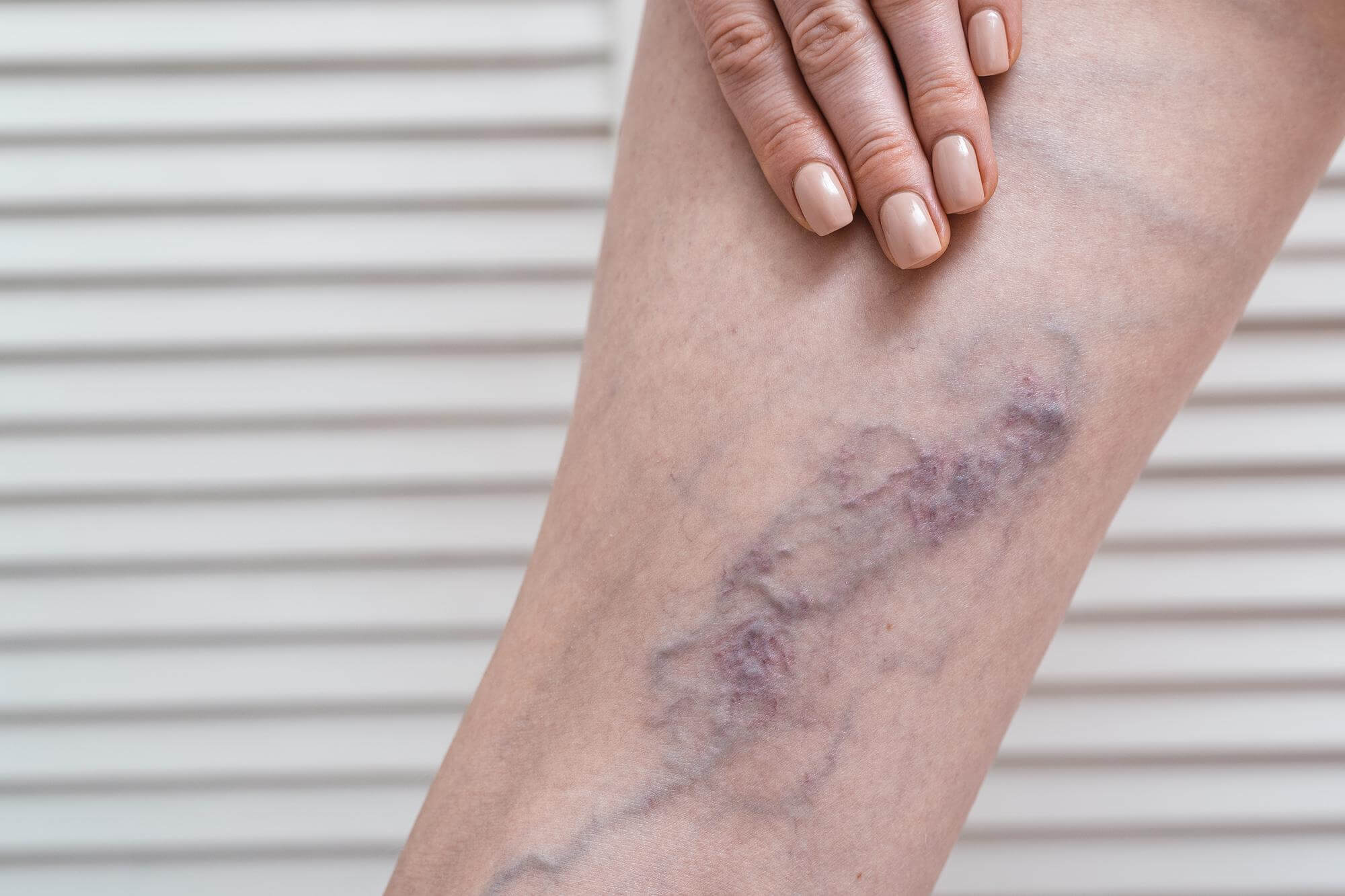
As explained in our previous article about varicose veins, varicose veins are a condition in which the veins become enlarged, twisted, and clearly visible on the surface of the skin, often blue or purple in color. This usually occurs in the legs and can be caused by several factors, including genetics, aging, pregnancy, and an inactive lifestyle. When the veins cannot push blood back to the heart properly, blood starts to pool, and this causes the veins to swell.
Although varicose veins do not always cause serious medical problems, they can cause discomfort and a significant psychological impact, including lower self-confidence because of an appearance that is considered unattractive.
There are several treatment options for varicose veins, ranging from lifestyle changes and medical compression stockings to medical procedures. Common treatment methods include sclerotherapy, in which a solution is injected into the affected vein, and surgery to remove the affected veins. However, one modern solution that is becoming increasingly popular is Endovenous Laser Treatment (EVLT).
What Is Endovenous Laser Treatment (EVLT)?
Endovenous Laser Treatment, better known as EVLT, is a medical procedure used to treat varicose veins with a minimally invasive method. In this procedure, laser light is used to close the problematic vein from the inside.
It works by inserting a laser fiber into the affected vein through a small incision in the skin, after which the laser energy heats and closes the vein. The closed vein is then naturally absorbed by the body, reducing varicose vein symptoms and improving the patient’s physical appearance.
EVLT is known as a relatively quick method that does not require a long recovery time, allowing patients to return to their activities soon.
How EVLT Differs From Other Varicose Vein Treatments
EVLT differs from traditional varicose vein treatments such as sclerotherapy and open surgery. In sclerotherapy, a special solution is injected directly into the vein to close it, but it is usually effective for smaller varicose veins. Meanwhile, open surgery involves physically removing the vein, which can lead to a longer recovery time and more noticeable scarring.
The advantage of EVLT lies in its minimally invasive approach. The process usually only requires local anesthesia, so patients do not need to undergo general anesthesia and can go home on the same day after the procedure.
In addition, EVLT involves less discomfort during and after the procedure compared with open surgery, and the results can be seen almost immediately after the procedure is completed. EVLT can be one option for patients who want to treat varicose veins efficiently and safely.
How the EVLT Procedure Works
The working principle of Endovenous Laser Treatment (EVLT) focuses on using laser energy to treat varicose veins in an effective and minimally invasive way. Here is an explanation of how EVLT works:
- Laser Energy and the Heating Process: Basically, EVLT uses laser light of a specific wavelength targeted to penetrate the vein tissue. When the laser fiber is inserted into the damaged vein, laser energy is emitted. This process heats the vein wall directly, causing the proteins in this tissue to change and shrink. This precise heating is very important because it causes the problematic vein to close naturally.
- Vein Closure: As the vein wall heats up, the vein undergoes coagulation, a process in which the vein collapses and closes. Closing the vein reduces the blood flow that was previously disrupting the function of healthy veins. With the vein closed, blood flow is redirected to healthier, properly functioning veins, improving overall circulation in the area.
- Resorption by the Body: Once the vein is closed, the body slowly absorbs the nonfunctioning vein. This process takes place over time and helps reduce varicose vein symptoms, such as swelling and discomfort. The closed vein also no longer appears on the surface of the skin, improving physical appearance.
- Minimally Invasive Benefits: One of the main advantages of how EVLT works is that the procedure is very minimally invasive. There is no need to physically remove the vein as in open surgery, allowing patients to get the benefits without greater risks or a long recovery period.
The Right Patients for EVLT
Ideal Patient Criteria for EVLT
Endovenous Laser Treatment (EVLT) is ideally performed on patients who have varicose veins with noticeable symptoms, such as pain, swelling, or discomfort in the vein area. Patients who have large, visibly bulging veins and who do not respond to conservative treatment such as compression stockings are also in the ideal category for EVLT. In addition, patients who want to improve the aesthetic appearance of their legs and are looking for a minimally invasive solution are also suitable candidates for this procedure.
Health Conditions That May Be Contraindications
Although EVLT is a safe procedure, there are some health conditions that may be contraindications to it. For example, patients with an active infection in the area to be treated, or those with uncontrolled blood clotting problems, should be cautious. In addition, patients with a history of allergic reactions to local anesthesia also need to discuss this before proceeding. Therefore, it is important to tell the doctor about all existing health conditions.
Before EVLT, a consultation with a vascular specialist is very important. The doctor will perform a physical examination and may use ultrasound to evaluate the condition of the patient’s veins thoroughly. Through this evaluation, the doctor can determine whether EVLT is the right and safe choice for the patient. The consultation also gives patients the opportunity to ask questions and gain a better understanding of the procedure, its benefits, and the possible risks.
Preparing for EVLT
Before undergoing Endovenous Laser Treatment (EVLT), there are several preparation steps to follow and health conditions to pay attention to, to make sure the procedure goes smoothly and safely.
- Preparation Steps to Follow
- Prior Consultation: Attend all consultation appointments with the doctor. This includes discussing your health history, a physical examination, and an ultrasound evaluation to assess the condition of the veins to be treated.
- Medications to Stop: Tell the doctor about all the medications you are taking. Before the procedure, you may need to stop certain medications, such as anticoagulants or nonsteroidal anti-inflammatory drugs that can increase the risk of bleeding.
- Fasting: In some cases, the doctor may recommend that patients fast from food and drink for a few hours before the procedure, especially if local anesthesia is used.
- Comfortable Clothing: Wear loose, comfortable clothing on the day of the procedure, and make sure to wear shoes that are easy to put on, because you may be asked to walk after EVLT.
- Transportation Plan: It is advisable for patients to bring a friend or family member who can take them home after the procedure, especially if they feel uncomfortable afterward.
- Health Conditions That May Be Contraindications
- Active Infection: If there is an active infection in the area of the vein to be treated, the procedure should be postponed until the infection has healed.
- Blood Clotting Problems: Patients with uncontrolled blood clotting disorders should undergo a more thorough evaluation before EVLT.
- Serious Heart or Lung Disease: Some serious heart or lung conditions may affect a patient’s ability to undergo the procedure safely, so it is important to discuss them with the doctor.
- Pregnancy: Pregnant women may be advised to postpone the procedure until after giving birth, except in very urgent cases.
The Endovenous Laser Treatment Process: Step by Step
Endovenous Laser Treatment (EVLT) is a procedure designed to treat varicose veins quickly and in a minimally invasive way. During the procedure, the patient lies comfortably on a treatment table. After an initial consultation with the doctor, the area to be treated is cleaned and marked using ultrasound to locate the problematic vein. After that, the laser fiber is inserted through a small incision in the skin into the targeted vein. Once all the preparation is complete, the laser is activated, heating and closing the nonfunctioning vein so that blood flow can shift to healthy veins. This procedure takes place in a medical facility and usually does not require hospitalization.
Is the Procedure Painful?
Most patients report very minimal discomfort during EVLT. The doctor will use local anesthesia to keep the area around the treated vein comfortable. This anesthesia numbs the skin and surrounding tissue, so patients do not feel pain when the laser fiber is inserted. Some may feel slight pressure or a warm sensation when the laser is activated, but this is usually not painful. After the procedure, some patients may have mild pain or discomfort in the treated area, but this usually goes away within a few days.
How Long Does the EVLT Procedure Take?
The EVLT procedure usually takes 30 to 60 minutes, depending on the complexity of the case and the number of veins treated. Patients can often go home on the same day after the procedure. After EVLT, the doctor will give post-procedure care instructions and discuss the steps needed for optimal recovery. Because of the speed and effectiveness of this procedure, EVLT has become a popular choice for many patients who want to treat varicose veins safely.
Recovery After EVLT
After undergoing Endovenous Laser Treatment (EVLT), most patients can return to their normal activities within a short time. In general, recovery takes one to two weeks. However, some patients may feel mild discomfort and swelling in the treated area, which usually subsides within a few days.
- Permitted Activities: Patients are advised to walk regularly after the procedure, as this can help improve blood circulation and speed up recovery. Daily activities such as working and doing household chores are generally allowed.
- Activities to Avoid: Lifting heavy loads, intense exercise, or high-risk activities should be avoided during the first two to three weeks after EVLT. In addition, staying in the same position for a long time, such as sitting or standing, should also be avoided.
Tips to Minimize Pain and Swelling
- Cold Compress: Applying a cold compress to the treated area for 15 to 20 minutes several times a day can help reduce swelling and pain.
- Leg Position: Raising your legs while sitting or lying down can also help reduce swelling. Try to keep your legs higher than your heart while resting.
- Pain Medication: If needed, the doctor may recommend pain relievers such as ibuprofen or acetaminophen to manage discomfort. Be sure to follow the dosage instructions given by the doctor.
Warning Signs to Watch For
Although recovery after EVLT is relatively easy, there are several signs to watch for:
- Extreme Swelling: If swelling in the treated area does not decrease after a few days or actually gets worse.
- Prolonged Pain: If the pain does not subside or gets worse, it is important to seek medical advice.
- Redness or Warmth: Long-lasting redness or increased warmth in the treated area may signal an infection.
- Other Symptoms: If you experience symptoms such as shortness of breath, chest pain, or other unusual symptoms, contact your doctor immediately.
Advantages of EVLT Over Other Methods
Endovenous Laser Treatment (EVLT) has become one of the main options for treating varicose veins and has various advantages over other treatment methods. Here are some of the main added values of EVLT:
- Shorter Recovery Time: One of the main advantages of EVLT is its relatively short recovery time. Patients can usually return to normal activities within one to two weeks after the procedure. Unlike open surgery, where recovery can take several weeks to months, EVLT allows patients to resume daily activities quickly.
- Minimal Pain: EVLT is known for its low level of discomfort during and after the procedure. With local anesthesia, most patients only feel slight pressure and do not experience significant pain. This differs from conventional surgical techniques, which often involve more intense pain and require stronger pain relief after the procedure.
- Minimal Scarring: EVLT is performed through a small incision (usually 2 to 3 mm) to insert the laser fiber, so the scarring left behind is very minimal. This contrasts with open surgery, which can leave larger and more visible scars. With EVLT, patients can get better aesthetic results.
- Success Rate: In many patients, EVLT can help treat varicose veins and their symptoms. In addition, the chance of recurrence may be lower than with other treatment methods such as sclerotherapy, which sometimes requires several treatment sessions.
- Minimally Invasive Procedure: EVLT falls into the category of minimally invasive procedures, which means the risk of complications is generally lower than with open surgery. It also reduces the length of hospital stay and the risk of infection, which is a more common problem in more invasive procedures.
Compared with other methods such as sclerotherapy and open surgery, EVLT generally offers a shorter recovery time, milder discomfort, and smaller scars. For this reason, EVLT is becoming an increasingly popular choice for patients with varicose veins.
Risks and Side Effects That May Occur
Every medical procedure, including Endovenous Laser Treatment (EVLT), carries risks and side effects that need to be considered. However, it is important to know that serious complications are very rare, and many patients are satisfied with the results.
Possible Risks and Side Effects
- Discomfort or Mild Pain: After the procedure, some patients may feel discomfort or mild pain in the treated area. This can usually be managed with simple pain relievers such as ibuprofen.
- Swelling: Slight swelling in the area where the vein was treated is common and usually decreases within a few days. Raising your legs and using a cold compress can help.
- Redness or Bruising: Redness and minor bruising may appear at the incision site. This is a normal response of the body to the procedure and usually heals on its own within a short time.
- Reaction to Anesthesia: Although rare, some patients may have a reaction to the local anesthetic used. However, the medical team will usually do a thorough assessment before the procedure to minimize this risk.
- Infection: There is a chance of infection in the treated area, but this is also very rare. If an infection does occur, it can usually be treated with antibiotics.
Rare Complications
Serious complications of EVLT, such as deep vein thrombosis (DVT) or pulmonary embolism, are very rare, and even less common than the risks faced during more invasive surgical procedures.
By having an open discussion with the doctor about these risks and side effects, patients can feel calmer and more prepared for the procedure. Most patients report positive results after EVLT, and with good care and monitoring, this procedure can be an effective step toward improving overall vein health.
Procedure Costs and Insurance Coverage
The cost of Endovenous Laser Treatment (EVLT) varies depending on various factors, including the location of the hospital or clinic, the doctor’s experience, and the complexity of the case. The cost also depends on the patient’s condition and the procedures performed. It is important to remember that this cost usually covers the initial evaluation, the procedure itself, and post-procedure care.
Regarding insurance coverage, many health insurance companies offer coverage for EVLT, especially if the varicose veins cause bothersome symptoms or medical complications. However, coverage can vary between insurance providers, so patients should check with their insurance provider to understand the available benefits and whether this procedure is recognized as necessary treatment.
It is very important for patients to have an initial consultation with a specialist to get more accurate information about the cost of the procedure. During the consultation, the doctor can provide a more precise cost estimate, help patients understand all the factors that affect the cost, and discuss payment options and possible insurance coverage.
Finding the Right Vascular Specialist
Finding the right vascular specialist is very important so that you receive appropriate care, especially if you are considering Endovenous Laser Treatment (EVLT) to treat varicose veins. Here are some tips to help you find the right doctor.
Tips for Finding the Right Specialist
- Ask Your General Practitioner for a Recommendation: A good first step is to ask your general practitioner (GP) for a recommendation. They often have information about specialists who are competent in their field.
- Check Qualifications and Experience: Be sure to check the vascular specialist’s educational background, certifications, and experience. Choose a doctor who has experience performing EVLT, so that you are treated by a doctor who has mastered the technique.
- Read Patient Reviews: Looking at reviews from previous patients can give you a good idea of other people’s experiences with the doctor. Health websites and social media are often good places to find these reviews.
- Ask Friends or Family: You can also ask friends or family members who may have had a similar procedure. Their personal experience can be very helpful.
- Visit Professional Websites: Visiting the websites of professional organizations such as the Indonesian Vascular Association (Asosiasi Vaskular Indonesia) can help you find registered and recognized specialists.
At Heartology Cardiovascular Hospital, doctors can evaluate the condition of your veins and explain suitable varicose vein treatment options, including Endovenous Laser Treatment (EVLT) and varicose vein ablation. The medical team will explain the procedure, its risks, and its benefits, and answer your questions before the procedure.
Keep as a reminder
Checklist before Your Consultation
Tick what you have prepared.
0 of 6 items checked
Checks are kept only while this page is open.
After reading
Discuss Your Questions with a Doctor.
Bring your notes and any test results you want to discuss. A consultation helps decide which tests and treatment are right for you.
Our team confirms the schedule and what you need for your visit. The information on this page is for educational purposes and does not replace medical consultation, diagnosis, or treatment. For any health concerns, please consult a doctor directly.
Doctors Related to This Topic

dr. Suko Adiarto, Sp.JP(K), Ph.D.
Interventional Cardiology
Vascular Diagnostic and Therapeutic Center +1 center
Clinical focusCoronary Intervention · Peripheral Vascular Intervention
View Profile
dr. Emanoel Oepangat, Sp.JP(K)
Interventional Cardiology
Vascular Diagnostic and Therapeutic Center +1 center
Clinical focusCoronary Intervention · Peripheral Vascular Intervention
View Profile
dr. Rr. Pasati Lintangella, Sp.BTKV
Thoracic & Cardiovascular Surgery
Advanced Cardiovascular Surgical Care +1 center
Clinical focusAdult Cardiac Surgery · Coronary Artery Bypass Surgery
View ProfileFrequently Asked Questions.
Here are some frequently asked questions about endovenous laser treatment (EVLT).
Is EVLT Painful?
Most patients report that EVLT causes minimal discomfort. Local anesthesia is used to minimize pain during the procedure. Some patients may feel slight pressure, but this is not painful.
Is EVLT Safe?
EVLT is generally known as a safe procedure. Serious complications are rare when the procedure is performed by an experienced doctor.
Sources and Transparency.
The information on this page is for educational purposes and does not replace medical consultation, diagnosis, or treatment. For any health concerns, please consult a doctor directly.
If you find information that needs clarifying, let us know through our Contact Us page.