Quick answer
A blood test is an examination of a blood sample, usually taken from a vein in the arm, that is analyzed in a laboratory to assess organ function, detect infection or disease, and monitor treatment. For heart health, the types include the lipid profile, blood sugar and HbA1c, kidney function, CRP, troponin, BNP or NT-proBNP, and homocysteine. The results are interpreted by a doctor together with symptoms, medical history, and other tests.
In healthcare, early detection is the key to preventing more serious disease. Cardiovascular disease, one of the main causes of death worldwide, often shows no symptoms in its early stages. That is why it is important to address the problem before it is too late. One way to help diagnose heart conditions is through a blood test.
A blood test is more than just a medical procedure; it is a window that offers a complete picture of the state of our health. For example, with a simple analysis, a doctor can assess our risk of heart disease by measuring certain biomarkers in the blood. By understanding blood test results, we can take proactive steps to protect our heart health and reduce the risk of cardiovascular disease.
In this article, we discuss blood tests in depth: how they work and why they are so important in the diagnosis and management of heart disease.
What Is a Blood Test?

A blood test is a diagnostic procedure that involves taking a blood sample from the body to be analyzed in a laboratory. The process is fairly simple and is usually done by drawing blood from a vein in the arm using a sterile needle. The blood sample is then examined to provide important information about a person’s health, including organ function, nutrient levels, and the presence of infection or disease.
Blood test results can help doctors make a diagnosis, monitor health conditions, and evaluate how well a treatment is working. With this information, doctors can give patients more accurate and effective care recommendations.
Common Types of Blood Tests
There are many types of blood tests, and each is designed to check a different aspect of health. Some commonly used blood tests include:
- Complete blood count (Complete Blood Count or CBC): This test measures the number of red blood cells, white blood cells, and platelets in the blood. The results can help detect infection, anemia, and bleeding disorders.
- Blood chemistry test (Blood Chemistry Panel): This panel measures the levels of various chemicals in the blood, such as glucose (blood sugar), cholesterol, protein, and electrolytes. It gives a picture of how the kidneys, liver, and other organs are working.
- Thyroid function tests (Thyroid Function Tests): Measure the levels of thyroid hormones in the blood, which are important for the body’s metabolism.
- Liver function tests (Liver Function Tests): Assess liver health by measuring the levels of certain enzymes and proteins in the blood.
- Coagulation tests (Coagulation Tests): Evaluate the blood’s ability to clot, which is important for detecting bleeding disorders.
How a Blood Test Works
A blood test is an important step in evaluating a person’s health, yet many people are curious about how the process is actually carried out.
In this section, we explain how a blood sample is taken, and how the results are analyzed and interpreted by medical staff.
The Blood Sampling Process
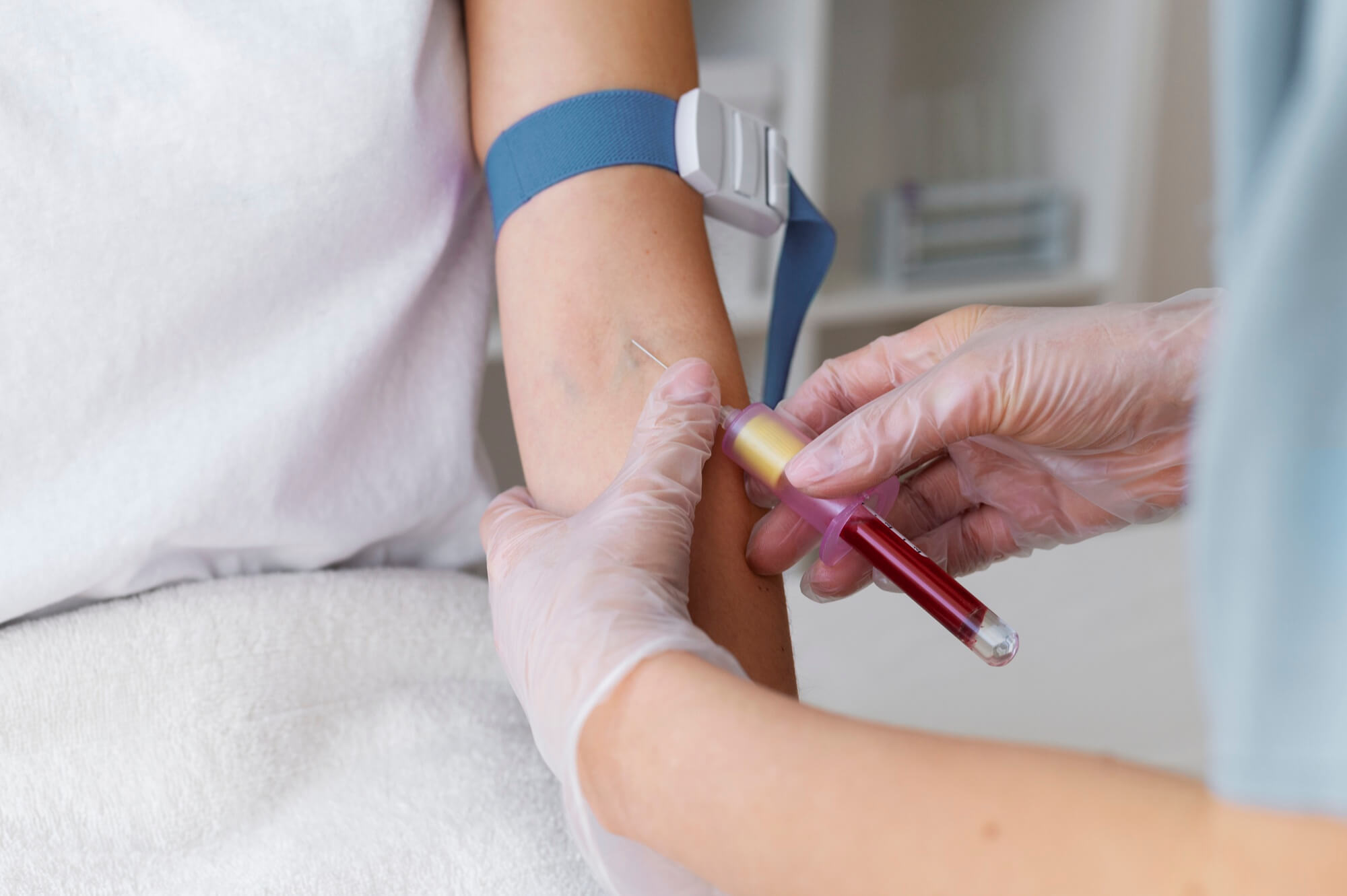
A blood sample is generally taken by trained medical staff, such as a nurse or a medical laboratory technician. The process begins with cleaning an area of your arm with antiseptic. Then the staff member will place a band (tourniquet) around your upper arm to make the vein easier to find. After that, a small needle is inserted into a vein in your arm to collect the blood sample.
The amount of blood taken is usually relatively small, about a few milliliters. Once the sample has been collected, the needle is removed right away, and the puncture site is pressed with sterile cotton to stop the bleeding. You may feel slight pressure or a little pain when the needle goes in, but the process is usually brief and does not cause significant pain. After that, the area is covered with a bandage.
Analysis and Interpretation of Test Results by Medical Staff
The blood sample is sent to a medical laboratory for analysis. In the laboratory, the sample is processed using various machines and techniques to measure the levels of different substances and blood components according to the type of test requested. The results are then compiled into a report that is sent back to the doctor or health worker who ordered the test.
Interpreting blood test results requires medical expertise. The doctor will analyze the laboratory results while considering the patient’s medical history, symptoms, and the results of other medical examinations.
This interpretation process is important for reaching an accurate diagnosis and planning the right treatment. The doctor will explain the test results to the patient in an easy-to-understand way and provide information about the next steps. Abnormal results may require additional tests or a consultation with a specialist for further investigation.
Why Blood Tests Are Important for Diagnosing Heart Disease
Diagnosing heart disease requires not only a physical examination but also more in-depth information about the condition of our body. In this section, we discuss why blood tests are such an important tool for identifying various heart problems.
Blood tests give us insight into how the heart and circulatory system are functioning, and they measure specific biomarkers that may indicate a risk of heart disease.
The Link Between Blood and Heart Health
Blood is a vital component of the body that carries oxygen and nutrients to every cell, including heart cells. Optimal blood function is very important for keeping the heart healthy. When there is a disturbance in blood flow or blood quality, it can directly affect heart health and potentially lead to cardiovascular disease.
Through blood tests, doctors can analyze various aspects related to heart health, such as oxygen levels, nutrients, and substances that may indicate a risk of disease. For example, if there is a buildup of harmful substances or signs of inflammation in the blood, this could be a signal of a problem with the heart or blood vessels. In this way, blood tests provide valuable information that helps with early detection and prevention of heart disease.
Blood Test Biomarkers Relevant to Heart Disease
Blood tests can detect various biomarkers that indicate a heart problem. A biomarker is a substance that shows a particular disease process is taking place in the body. Here are some examples of important biomarkers checked in blood tests to diagnose heart disease:
- Cholesterol: High cholesterol levels, especially LDL (“bad cholesterol”), are a major risk factor for coronary heart disease. Blood tests can measure total cholesterol, LDL, HDL (“good cholesterol”), and triglycerides to assess the risk of heart disease.
- Blood sugar (glucose): Diabetes mellitus is a major risk factor for heart disease. Blood tests can measure fasting blood sugar and HbA1c to detect diabetes and keep blood sugar levels under control.
- C-reactive protein (CRP): CRP is a marker of inflammation in the body. Chronic inflammation is associated with an increased risk of heart disease.
- Troponin: Troponin is a protein found in heart muscle. When heart muscle is damaged, such as during a heart attack, troponin is released into the bloodstream and can be detected with a blood test.
- Brain Natriuretic Peptide (BNP) and N-Terminal pro-BNP (NT-proBNP): These substances are released by the heart in response to stretching of the heart muscle, which often occurs in heart failure. High BNP/NT-proBNP levels in the blood may indicate heart failure.
- Homocysteine: High homocysteine levels are associated with an increased risk of coronary heart disease.
By checking these biomarkers through blood tests, doctors can assess the risk of heart disease, diagnose certain heart conditions, and monitor how well treatment is working.
Types of Blood Tests for Heart Disease
Here are some types of blood tests commonly used to assess heart health and diagnose various cardiovascular conditions.
Keep in mind that normal ranges can vary slightly between laboratories, and your doctor will interpret the results based on the overall context of your health.
1. Lipid Profile
A lipid profile is a blood test that measures the levels of various fats in the blood, including total cholesterol, LDL (bad cholesterol), HDL (good cholesterol), and triglycerides.
- Total cholesterol: The expected value is usually less than 200 mg/dL. A value above 240 mg/dL is considered high and may increase the risk of heart disease.
- LDL (Low-Density Lipoprotein): The optimal level is less than 100 mg/dL. A high LDL level is a major risk factor for coronary heart disease.
- HDL (High-Density Lipoprotein): The ideal value is more than 60 mg/dL. Low HDL (less than 40 mg/dL) may increase the risk of heart disease.
- Triglycerides: Normal levels should be less than 150 mg/dL. Levels above 200 mg/dL may increase the risk of heart disease.
2. Blood Sugar (Glucose) Test
A blood sugar test is important because uncontrolled blood sugar levels can damage blood vessels and increase the risk of heart disease.
- Fasting blood sugar test: Measures glucose levels after fasting for 8 hours. Normal levels range from 70 to 99 mg/dL. Levels between 100 and 125 mg/dL indicate prediabetes, while levels above 126 mg/dL indicate diabetes.
- HbA1c: Measures the average blood glucose level over the past 2 to 3 months. The normal value is less than 5.7%. Levels between 5.7% and 6.4% indicate prediabetes, while 6.5% or higher indicates diabetes.
3. Kidney Function Tests (BUN and Creatinine)
Kidney function plays an important role in heart health because kidneys that do not work properly can cause fluid buildup and high blood pressure, both of which increase heart risk.
- BUN (Blood Urea Nitrogen): Normal values range from 7 to 20 mg/dL. High levels may indicate kidney problems or dehydration.
- Creatinine: The normal value is about 0.6 to 1.2 mg/dL, depending on factors such as muscle mass. High levels may signal a kidney disorder.
4. C-Reactive Protein (CRP) Test
CRP is a marker of inflammation that can show the presence of inflammation in the body.
A normal CRP level is less than 1 mg/L. Levels between 1 and 3 mg/L indicate moderate risk, while levels above 3 mg/L indicate high risk of heart disease.
These results provide additional information about inflammation-related risk that can contribute to the development of heart disease.
5. Troponin Test
Troponin is a protein released into the blood when there is damage to the heart muscle, which usually happens during a heart attack.
A normal troponin level is less than 0.04 ng/mL. Higher levels indicate heart damage and require immediate medical attention. This test is an important diagnostic tool for the early detection of a heart attack.
6. BNP/NT-proBNP Test
BNP and NT-proBNP are markers used to diagnose and monitor heart failure.
A normal BNP level is usually less than 100 pg/mL. Levels above 400 pg/mL may indicate heart failure, while NT-proBNP is normally less than 125 pg/mL.
7. Homocysteine Test
Homocysteine is an amino acid that can be a risk marker for coronary heart disease.
The normal homocysteine level is between 5 and 15 µmol/L. Higher levels may indicate an increased risk of heart disease.
Interpreting Blood Test Results
Blood test results do not stand alone. Doctors do not just look at the numbers in the laboratory report; they also consider them in a broader context. Interpreting blood test results involves considering several important factors, including:
- Patient’s symptoms: Symptoms the patient has, such as chest pain, shortness of breath, or fatigue, give important clues for interpreting test results. For example, a high cholesterol result may not be very worrying if the patient has no other symptoms, but it becomes more significant if accompanied by chest pain.
- Medical history: A family history of heart disease, smoking habits, high blood pressure, diabetes, and other past illnesses will affect how the doctor interprets the test results. These risk factors can increase the significance of results that look “borderline” or slightly outside the normal range.
- Other test results: Blood tests are often combined with other medical examinations, such as an electrocardiogram (ECG), an echocardiogram, or heart imaging tests. These results give a more complete picture of the patient’s heart condition.
- Age and sex: The normal ranges of some blood biomarkers can differ slightly between age groups and between men and women. The doctor will take this into account when interpreting the results.
The doctor will bring all of this information together to reach an accurate conclusion about the patient’s heart condition. Abnormal blood test results do not always mean there is a serious disease. The doctor may suggest additional tests, lifestyle changes, or treatment, depending on the overall findings.
Case example:
Let us look at a case example to better understand how blood test results are interpreted. Say a 45-year-old man, let us call him Budi, sees a doctor because of occasional chest pain. Budi’s blood test shows an LDL cholesterol level of 180 mg/dL (high), HDL of 40 mg/dL (low), and triglycerides of 250 mg/dL (high). Budi also has a family history of coronary heart disease and has high blood pressure. In this case, Budi’s blood test results indicate a high risk of coronary heart disease. The doctor will recommend lifestyle changes, such as a diet low in saturated fat and cholesterol, more physical activity, and possibly medication to lower cholesterol and blood pressure. The doctor may also suggest further tests, such as an ECG or an echocardiogram, to assess Budi’s heart condition in more detail.
This example shows how blood test results are interpreted comprehensively, not just based on the numbers alone. Every individual has a unique condition, and the doctor will tailor the interpretation and care plan to the patient’s needs.
When Do You Need a Blood Test?
Knowing when to have a blood test for heart health is very important for early detection and prevention. There are several situations in which a blood test is strongly recommended:
Risk Factors
Several risk factors can increase a person’s likelihood of developing heart disease, and it is important to have a blood test to detect potential problems early. These risk factors include:
- High cholesterol levels: High levels of LDL cholesterol (“bad cholesterol”) can cause plaque buildup in the arteries, which increases the risk of heart disease.
- High blood pressure: Hypertension can damage the blood vessels and heart over time, so it requires regular monitoring through blood tests.
- Diabetes or prediabetes: High blood glucose levels can damage blood vessels, and people with diabetes are at higher risk of heart disease.
- Family medical history: If a family member has a history of heart disease, it is important to have a blood test as a preventive step.
- Smoking: Smoking can damage the heart and blood vessels, increasing the risk of heart disease.
- Overweight or obesity: This condition is associated with unhealthy cholesterol and blood pressure levels, so it requires further evaluation.
With these risk factors, having a blood test can help monitor your heart health and take the right preventive steps.
Symptoms
Besides risk factors, there are also symptoms to watch for that may indicate the need for a blood test. These symptoms include:
- Chest pain: One of the most common symptoms related to heart problems. Chest pain can feel like pressure, pain, or discomfort in the chest.
- Shortness of breath: Difficulty breathing or feeling a tightness when breathing can be a sign of a heart problem or a respiratory disorder.
- Excessive fatigue: If you feel more tired than usual, especially when doing your usual activities, this could be a sign that your heart is not working optimally.
- Palpitations or irregular heartbeat: Feeling a fast, pounding, or irregular heartbeat requires further checking.
- Swelling: Swelling in the legs, ankles, or abdomen may indicate fluid buildup related to heart problems or heart failure.
Tips for Preparing for a Blood Test
Here are some tips to prepare yourself before a blood test, to help ensure accurate results and a comfortable process:
- Fasting: Fasting before a blood test is often needed to get accurate results. Many blood tests, such as blood sugar tests and lipid profile tests, require fasting for at least 8 to 12 hours beforehand. During this fasting period, patients should not eat or drink anything except plain water. This is important because the food or drinks you consume can affect glucose, cholesterol, and other test results. That said, some tests do not require fasting. It is very important to follow the instructions from your doctor or the laboratory staff carefully.
- Medications: Before a blood test, it is important to tell your doctor or medical staff about all the medications you are taking, including prescription drugs, over-the-counter drugs, vitamins, and herbal supplements. Some medications, such as antibiotics, anticoagulants, or cholesterol-lowering drugs, can affect blood test results. By knowing which medications you take, your doctor can adjust how the test results are evaluated and give special instructions if needed. If a medication needs to be stopped temporarily before the test, your doctor will give you the right instructions to keep the results accurate. This way, you can make sure your blood test results give an accurate picture of your health.
By following these preparation tips, you can contribute to accurate blood test results and help your doctor provide the right diagnosis and care for you.
Activities and Habits to Improve Heart Health
Adopting a healthy lifestyle is the main key to keeping your heart healthy and getting good blood test results. Here are some steps you can take:
1. Lowering Heart Disease Risk Through a Healthy Lifestyle
Adopting a healthy lifestyle is an important step in lowering the risk of heart disease. According to data from the World Health Organization (WHO), most heart disease and stroke can be prevented through lifestyle changes. Some healthy habits that contribute to heart health include:
- Quitting smoking: Smoking is a major risk factor for heart disease. Quitting this habit can significantly improve heart health.
- Stress management: Prolonged stress can affect heart health. Relaxation techniques such as meditation, yoga, or even simply enjoying a hobby can help reduce stress.
- Getting enough sleep: Good sleep quality is closely linked to heart health. Lack of sleep can increase the risk of hypertension and heart disease. Try to sleep 7 to 8 hours every night.
2. The Role of Diet, Exercise, and Other Healthy Habits
Good blood test results are strongly influenced by your diet and daily habits. Here are some aspects to pay attention to:
- Healthy diet: Eating nutritious foods, such as fruits, vegetables, whole grains, and healthy protein sources (such as fish and nuts), is very good for heart health. Reducing your intake of saturated fat, salt, and added sugar is also important for keeping cholesterol and blood pressure within normal limits.
- Regular exercise: At least 150 minutes of physical activity per week, such as walking, running, or swimming, can improve heart health and help control body weight. Regular exercise helps raise HDL cholesterol (good cholesterol) and lower LDL cholesterol (bad cholesterol).
- Staying well hydrated: Making sure your body is well hydrated is very important for optimal heart function. Water helps blood circulation and can support metabolic processes.
By adopting these healthy habits, you can not only improve your heart health but also improve your blood test results. Making small but consistent lifestyle changes can have a positive long-term impact on your heart health.
Conclusion
In this article, we have discussed the importance of blood tests in diagnosing and monitoring heart health. Blood tests help doctors identify various risk factors, such as cholesterol levels, blood sugar, and signs of inflammation that can affect cardiovascular health. Through simple sampling and proper analysis of the results, we can learn about the condition of our heart and take the necessary preventive steps.
A healthy lifestyle, including a balanced diet, regular exercise, and other good habits, plays a major role in improving heart health and supporting good blood test results. In addition, regular monitoring and awareness of risk factors and possible symptoms are also very important for keeping our hearts healthy.
Protect yourself and your family from the risk of cardiovascular disease by having regular health checkups and adopting a healthy lifestyle. Remember, prevention is always better than cure. Start making small changes today for a healthier future for you and your loved ones!
At Heartology Cardiovascular Hospital, our team of cardiologists can explain your condition and the procedures, risks, and benefits of testing, and discuss your questions about heart and blood vessel health.
Keep as a reminder
Checklist before Your Consultation
Tick what you have prepared.
0 of 6 items checked
Checks are kept only while this page is open.
Next step
Want to Check Your Heart Health?
A checkup package helps identify risk factors early. What each package includes and its price are explained up front.
The information on this page is for educational purposes and does not replace medical consultation, diagnosis, or treatment. For any health concerns, please consult a doctor directly.
Doctors Related to This Topic

Dr. med. dr. Denio A. Ridjab, Sp.JP(K)
Interventional Cardiology
Coronary Intervention Procedures +2 centers
Clinical focusInterventional Cardiology · Coronary Artery Disease
View Profile
dr. Siska S. Danny, Sp.JP(K)
Interventional Cardiology
Coronary Intervention Procedures
Clinical focusPCI for Acute Coronary Syndrome · Primary Coronary Intervention
View Profile
Dr. dr. Jajang Sinardja, Sp.JP(K)
Interventional Cardiology
Coronary Intervention Procedures
Clinical focusAcute Coronary Syndrome · Primary Coronary Intervention
View ProfileFrequently Asked Questions.
Here are some frequently asked questions about blood tests.
How Much Does a Complete Blood Test Cost?
The cost of a complete blood test can vary depending on the location, the type of hospital or laboratory, the type of test performed, and your condition. Because prices can change, it is advisable to check directly with the hospital or laboratory where you plan to have the test for the latest cost information.
Do You Need to Fast Before a Blood Test?
Not all blood tests require fasting, but some types of tests, such as blood sugar tests and lipid profiles, usually require fasting for 8 to 12 hours before the sample is taken. Fasting helps produce more accurate results. However, for other blood tests, such as a complete blood count, fasting is not needed. Always follow the instructions from your doctor or health worker about whether you need to fast before a blood test.
Sources and Transparency.
The information on this page is for educational purposes and does not replace medical consultation, diagnosis, or treatment. For any health concerns, please consult a doctor directly.
If you find information that needs clarifying, let us know through our Contact Us page.