Quick answer
Tachycardia is a condition in which the heart beats more than 100 times per minute at rest. Symptoms include a pounding heart, dizziness, shortness of breath, fatigue, and chest pain. Causes can include caffeine, stress, dehydration, fever, hyperthyroidism, anemia, or heart disease. Treatment depends on the type and cause, ranging from lifestyle changes and medication to catheter ablation or an ICD. Prevention includes a healthy lifestyle and managing medical conditions.
Have you ever felt your heart pounding very fast and hard, even while you were resting? This sensation, which can feel like butterflies fluttering in your chest, may be a sign of tachycardia.
Tachycardia is a medical condition in which the heart beats faster than usual. In adults, a normal resting heart rate usually ranges from 60 to 100 beats per minute. If your heart rate consistently exceeds 100 beats per minute, it may indicate tachycardia. This increased heart rate can be caused by various factors, from physical activity to more serious medical conditions.
Although tachycardia sometimes feels like only mild discomfort, it can be an indicator of a health problem that needs attention. This article explains in simple terms what tachycardia is, its various types, causes, symptoms, diagnosis, treatment, and how to prevent it. The goal is to provide a better understanding of tachycardia so that you can recognize its symptoms and seek medical help when needed. Remember, the information in this article is for informational purposes and is not a substitute for consultation with a medical professional.
Understanding the Heartbeat and How It Works
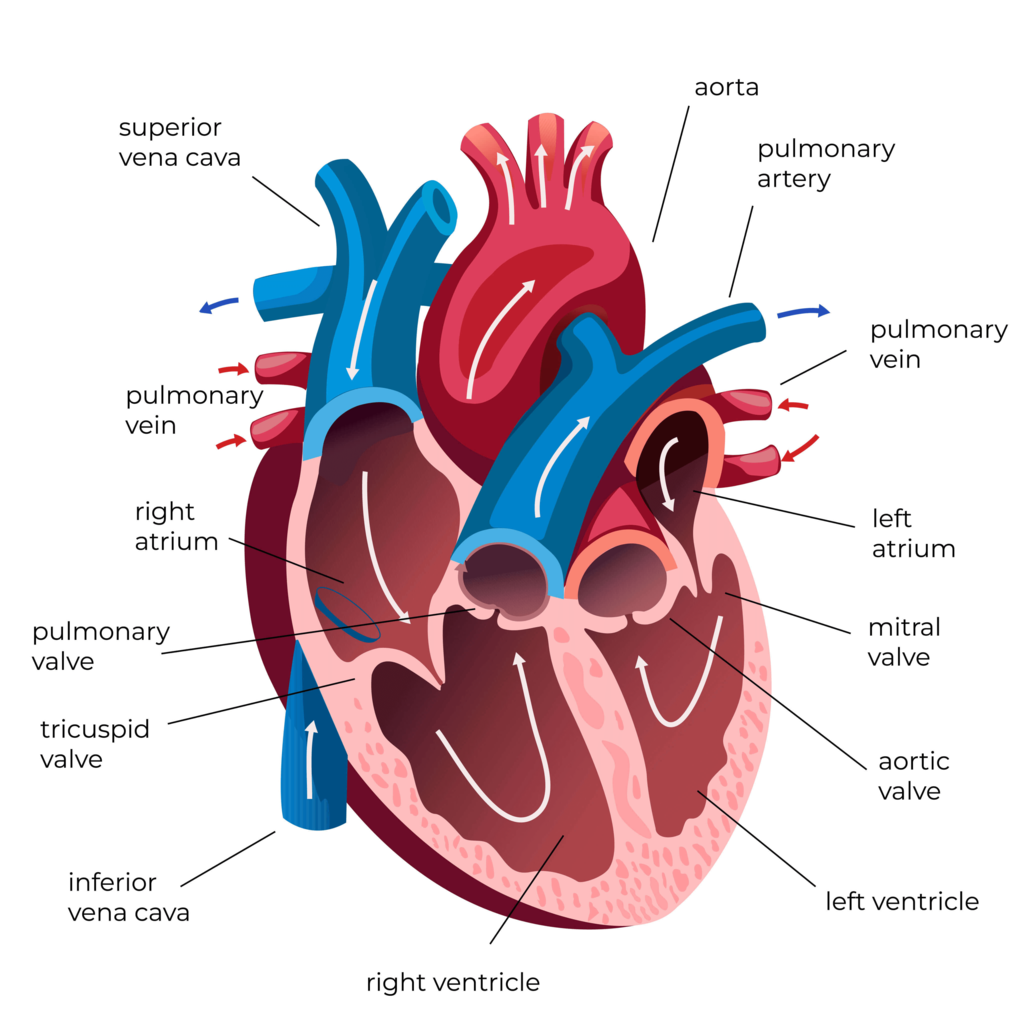
Imagine your heart as a remarkably efficient pump. It consists of four chambers: two upper chambers (atria) at the top and two lower chambers (ventricles) at the bottom. Oxygen-poor blood enters the right atrium, is then pumped into the right ventricle, and then to the lungs to pick up oxygen. Oxygen-rich blood from the lungs enters the left atrium and is then pumped by the left ventricle to the whole body. This process runs in a rhythmic, coordinated way thanks to the heart’s electrical system.
Inside the heart is the sinoatrial node (SA node), often called the heart’s natural “pacemaker”, which triggers the electrical impulse that starts each heartbeat. This impulse then spreads to the atrioventricular node (AV node), which regulates the flow of impulses to the ventricles, so the ventricles contract and pump blood.
Heart Rate Control System
Our heart rate is not always constant; it is regulated by the autonomic nervous system, which works without our awareness. This system has two main parts: the sympathetic nervous system and the parasympathetic nervous system. The sympathetic nervous system speeds up the heart rate, for example when we exercise or are stressed. The parasympathetic nervous system, on the other hand, slows the heart rate when the body is at rest.
Hormones such as adrenaline can also affect the heart rate, increasing it in situations that require a quick response. The right balance between the sympathetic and parasympathetic systems makes sure our heart rate matches our body’s needs. An imbalance can cause the heart to beat too fast or too slowly.
Types of Tachycardia
Tachycardia can be classified according to where the abnormal electrical impulse causing the fast heartbeat originates. Supraventricular tachycardia (SVT) originates in the upper part of the heart (the atria), while ventricular tachycardia (VT) originates in the lower part of the heart (the ventricles). This difference in location affects the symptoms and potential danger of each type of tachycardia. SVT is generally less dangerous than VT, although both require medical supervision.
Here are some common types of tachycardia:
1. Sinus Tachycardia
This is the most common type of tachycardia and is often not a serious condition. The fast heartbeat is caused by the SA node (the heart’s natural pacemaker) sending impulses faster than usual. This often happens because of exercise, stress, dehydration, or fever.
Common symptoms include a fast (100 to 150 beats per minute) and pounding heartbeat, dizziness, and shortness of breath. If it is caused by an underlying condition, treatment is directed at that condition.
2. Supraventricular Tachycardia (SVT)
This term covers several types of tachycardia that originate in the atria. The heartbeat becomes very fast and irregular.
Symptoms can include a fast, pounding heartbeat, dizziness, fainting, and shortness of breath. SVT can occur in episodes that go away on their own or can be continuous. Although it is generally not life-threatening, SVT can cause complications if left untreated.
3. Ventricular Tachycardia (VT)
VT is a more serious condition because it originates in the ventricles. The fast and irregular heartbeat can disrupt the heart’s ability to pump blood effectively.
Symptoms can include fainting, severe shortness of breath, and chest pain. VT can lead to cardiac arrest if not treated immediately. VT occurs more often in people with existing heart disease.
4. Atrial Fibrillation (AFib)
AFib is a common type of arrhythmia characterized by a fast and irregular heartbeat in the atria. Blood can pool in the atria, increasing the risk of blood clots and stroke.
Symptoms can vary, from no symptoms at all to a pounding heartbeat, fatigue, shortness of breath, and dizziness. AFib increases the risk of stroke and heart failure, because blood can clot in the heart. AFib often occurs in older adults.
5. Atrial Flutter
Similar to AFib, atrial flutter is characterized by a fast and regular heartbeat in the atria, but with a more regular rhythm than AFib.
Symptoms can include a fast, pounding heartbeat, chest pain, and shortness of breath. Besides disrupting heart function, atrial flutter can transition into atrial fibrillation and increase the risk of stroke.
Symptoms of Tachycardia
Tachycardia can appear with various symptoms, which sometimes vary depending on the type and severity of the condition.
Common Symptoms
Here is a list of common symptoms a person with tachycardia may experience:
- Fast heartbeat: This is the most common symptom, in which the heart beats more than 100 times per minute, even at rest.
- Palpitations: A sensation of the heart pounding or beating irregularly that can be felt in the chest, throat, or neck.
- Dizziness or lightheadedness: Dizziness may occur when blood flow to the brain is disrupted by an abnormal heartbeat.
- Fatigue: You may feel tired more easily than usual, even without doing strenuous physical activity.
- Shortness of breath: Difficulty breathing, which can occur especially during activity or even at rest.
- Chest pain: Although it does not always appear as a symptom, discomfort or pain in the chest can be a sign of a more serious heart problem.
The severity of these symptoms varies, from mild and not bothersome to more serious ones that can affect quality of life. It is important to remember to seek medical help right away if symptoms get worse.
Symptoms That Require Immediate Medical Help
Some symptoms of tachycardia require immediate medical attention, because they may signal a more dangerous condition. Here are the symptoms that should not be ignored:
- Severe chest pain: Severe or pressing pain in the chest should be checked immediately, because it may be a sign of a heart attack.
- Deep shortness of breath: If shortness of breath appears suddenly or does not go away, it may signal a serious problem with heart function.
- Fainting or loss of consciousness: Losing consciousness or fainting may signal that the heart is not pumping blood well enough.
- Very fast and regular palpitations: A very fast heart rate (above 150 beats per minute) that does not settle down should receive medical attention.
- Severe dizziness or confusion: If someone feels confused, disoriented, or very dizzy, this may indicate that the brain is not getting enough oxygen.
- Cold sweats or paleness: Symptoms such as breaking out in a cold sweat, especially when accompanied by anxiety, may indicate that the body is in a dangerous situation.
If you or someone around you experiences these symptoms, it is very important to seek help from a medical professional right away to make sure they receive proper treatment.
Causes of Tachycardia
Tachycardia can be a sign of a health problem that needs attention. In this section, we will discuss the various common causes of tachycardia, both lifestyle factors we can control and medical conditions that may be more serious.
1. Lifestyle Factors
Your daily lifestyle has a major influence on heart health and can trigger tachycardia. Here are some lifestyle factors that can cause an increased heart rate:
- Excessive caffeine and alcohol consumption: Caffeine and alcohol can stimulate the nervous system, causing the heart rate to rise. Reducing or avoiding these drinks can help control your heart rate.
- Smoking: Smoking damages the blood vessels and heart, increasing the risk of various heart problems, including tachycardia. Quitting smoking is an important step for heart health.
- Stress: Chronic stress can increase the production of stress hormones such as adrenaline, which can speed up the heart rate. Stress management techniques such as meditation, yoga, or regular exercise can help.
- Lack of sleep: Lack of sleep can disrupt the balance of hormones and the nervous system, potentially causing an irregular heartbeat. Try to get enough sleep every night. Here is the ideal amount of sleep by age:
- Babies aged 0 to 3 months: 14 to 17 hours a day
- Babies aged 4 to 11 months: 12 to 15 hours a day
- Toddlers aged 1 to 2 years: 11 to 14 hours a day
- Preschool children aged 3 to 5 years: 10 to 13 hours a day
- School-age children aged 6 to 13 years: 9 to 11 hours a day
- Teenagers aged 14 to 17 years: 8 to 10 hours a day
- Young adults aged 18 to 25 years: 7 to 9 hours a day
- Adults aged 26 to 64 years: 7 to 9 hours a day
- Older adults over 65 years: 7 to 8 hours a day
- Excessive exercise: Although exercise is important, excessive exercise without enough preparation can increase the strain on the heart and trigger tachycardia. Exercise regularly and gradually.
- Dehydration: Dehydration can cause changes in the body’s electrolytes, which can disrupt heart function and cause tachycardia. Drinking enough water is very important.
- Unhealthy diet: A diet high in sugar, salt, and saturated fat can increase the risk of cardiovascular problems, including tachycardia. Unbalanced nutrition affects overall heart health.
- Certain medications: Some types of medication can cause tachycardia as a side effect. Consult your doctor if you are taking medications that may be linked to tachycardia.
2. Medical Conditions
Some medical conditions can cause tachycardia as a symptom or as a result of the underlying disease. Here are some medical conditions commonly linked to tachycardia:
- Heart disease: Various heart diseases, such as coronary heart disease, heart failure, and heart valve disorders, can disrupt the heart rhythm and cause tachycardia.
- Hyperthyroidism: An overactive thyroid gland can produce excess thyroid hormone, which can increase the body’s metabolism and cause the heart rate to rise.
- Anemia: A condition in which the body lacks red blood cells, which can make the heart work harder to deliver oxygen to the whole body, triggering tachycardia.
- Infection: Severe infection or sepsis can trigger an inflammatory reaction in the body and increase the heart rate as part of the body’s response to the infection.
- Lung conditions: Lung disorders such as chronic obstructive pulmonary disease (COPD) can increase the strain on the heart and cause tachycardia.
- Electrolyte imbalance: An unhealthy electrolyte balance, such as low levels of potassium, calcium, or magnesium, can affect the electrical impulses in the heart and cause tachycardia.
Diagnosing Tachycardia
Here are the various steps in the process of diagnosing tachycardia, from the physical examination performed by the doctor and the electrocardiogram (ECG) that reveals the heart’s activity to other supporting tests that may be recommended.
1. Physical Examination
A physical examination is the first step a doctor takes to diagnose tachycardia. The doctor will start by asking about your medical history and the symptoms you are experiencing. Next, the doctor will carry out several examinations, including:
- Pulse check: The doctor will feel the pulse at your wrist or neck to determine the rate and rhythm of your heartbeat. If the pulse feels fast or irregular, this may be a sign of tachycardia.
- Blood pressure check: Blood pressure is also measured to assess your overall cardiovascular condition. High blood pressure or unstable blood pressure can indicate a heart problem.
- Heart auscultation: Using a stethoscope, the doctor will listen to the sound of your heartbeat to check for abnormal sounds that may indicate a heart problem.
Information from this physical examination will help the doctor determine the next steps in the diagnostic process.
2. Electrocardiogram (ECG)
An ECG is a noninvasive test that records the heart’s electrical activity. Electrodes placed on the skin of the chest and limbs detect and record the heart’s electrical signals. ECG results can show an abnormal heart rhythm, such as a fast or irregular heartbeat, which is characteristic of tachycardia.
An ECG is very important for identifying the location and type of tachycardia, which helps determine the cause and the right treatment. An ECG is the main diagnostic tool for various types of heart arrhythmias, including tachycardia.
3. Other Supporting Tests
In addition to the physical examination and ECG, your doctor may recommend several other supporting tests to get a more complete picture of your heart condition. Some of these tests include:
- Echocardiogram: An ultrasound examination of the heart to assess its structure and function, including its ability to pump blood. An echocardiogram can detect structural heart abnormalities that can cause tachycardia.
- Cardiac stress test: This test is done to assess how the heart responds to physical activity. A cardiac stress test can help identify heart problems that may only appear when the heart is working harder. Various types of cardiac stress tests are available, including the treadmill stress test and the pharmacological stress test.
- Holter monitor: A Holter monitor is a recording device worn for 24 to 48 hours to monitor the heart rate continuously. This test helps the doctor identify episodes of tachycardia that may not appear during a routine examination.
- Blood tests: Your doctor may recommend blood tests to check electrolyte levels, thyroid function, and other conditions that can affect heart health.
- Electrophysiology study: In some cases, the doctor may perform an electrophysiology study (EP study), in which special instruments are inserted into the heart through a blood vessel. This test helps determine the origin of the rhythm disorder and guide the right treatment.
Treatment of Tachycardia
Treatment of tachycardia depends on its cause and the severity of its symptoms. Here are various treatment approaches that can help manage tachycardia, from simple lifestyle changes to various medical treatment options your doctor may recommend.
1. Lifestyle Changes
Changing your lifestyle is often the first step in managing tachycardia, especially if it is caused by lifestyle factors. These changes can include:
- Reducing or avoiding caffeine and alcohol: Caffeine and alcohol can stimulate the heart and speed up the heart rate. Limiting or avoiding these drinks can help control your heart rate.
- Avoid or quit smoking: Smoking damages the blood vessels and heart, increasing the risk of various heart problems, including tachycardia. Avoiding smoking or quitting smoking (for smokers) is an important step for overall heart health.
- Stress management: Stress management techniques such as meditation, yoga, or regular exercise can help reduce stress levels and, in turn, help control your heart rate.
- Getting enough sleep: Make sure you get quality sleep at night, because lack of sleep can trigger or worsen tachycardia symptoms.
- Exercising regularly (but not excessively): Adequate physical activity, such as walking, cycling, or swimming, is good for the heart. However, it is important to consult your doctor before starting an exercise routine, especially if you have heart problems.
- Maintaining an ideal weight: Excess body weight can increase the strain on the heart, so it is important to maintain a healthy weight.
- Healthy diet: Eating balanced meals rich in fruits, vegetables, whole grains, and fish can help improve heart health. Avoid foods high in saturated fat, sugar, and salt.
2. Medical Treatment
If lifestyle changes are not enough to manage tachycardia, your doctor may recommend medical treatment. This can include:
- Medications: Various medications can be used to control the heart rate, such as beta-blockers, calcium channel blockers, and antiarrhythmics. These medications work in different ways to slow the heart rate or normalize the heart rhythm.
- Medical procedures: In some cases of tachycardia, a medical procedure may be needed to treat it, such as catheter ablation, an implantable cardioverter defibrillator (ICD), or the placement of a pacemaker. Catheter ablation uses energy to destroy the heart tissue causing the abnormal heartbeat. An ICD is a device implanted under the skin to detect and correct abnormal heart rhythms. A pacemaker is used to regulate the heartbeat if the SA node is not working properly.
3. The Importance of Consulting a Doctor
It is very important to consult a doctor if you have symptoms of tachycardia. Only a doctor can carry out a thorough evaluation and determine the most suitable type of treatment based on your health condition. The right treatment can help reduce the risk of serious complications and improve your quality of life.
Do not hesitate to discuss all your symptoms and concerns, so your doctor can plan the right care for you. Awareness and the right actions are very important in maintaining heart health and preventing further problems.
Preventing Tachycardia
Although it cannot always be completely prevented, paying attention to your lifestyle and managing existing medical conditions can help reduce the risk of tachycardia.
Here are steps you can take to prevent tachycardia, from adopting a healthy lifestyle to the importance of managing existing medical conditions.
1. A Healthy Lifestyle
Adopting a healthy lifestyle is an important step in preventing tachycardia and maintaining overall heart health. Here are some recommendations you can follow:
- Balanced diet: Eat foods rich in fiber, such as fruits, vegetables, and whole grains, while reducing your intake of saturated fat, sugar, and salt. Healthy food can help maintain heart health and stable blood pressure.
- Regular exercise: Routine physical activity, such as walking, running, or swimming, helps improve heart condition and reduce the risk of heart rhythm disorders. Try to get at least 150 minutes of moderate activity every week.
- Managing stress: Find ways to manage stress, such as meditation, yoga, or socializing with friends and family. Excessive stress can harm heart health.
- Avoid smoking and alcohol: Smoking and drinking alcohol can damage the heart and blood vessels, increasing the risk of tachycardia. Avoid smoking or quit smoking (for smokers), and limit alcohol consumption to protect your heart health.
- Maintain an ideal weight: Excess body weight can increase the strain on the heart. Work toward reaching and maintaining a healthy weight.
- Get enough sleep: Good sleep quality contributes to heart health. Try to get enough sleep every night to help your body function well.
- Limit caffeine: Excessive caffeine consumption can stimulate the heart and increase the heart rate. Limit your caffeine intake.
2. Managing Medical Conditions
If you have a medical condition that can increase the risk of tachycardia, such as heart disease, hyperthyroidism, or anemia, it is important to manage it well. Work with a cardiologist to plan effective care to control that medical condition and reduce the risk of tachycardia. Proper treatment and routine monitoring are very important. Follow your doctor’s instructions and do not hesitate to ask questions if you have concerns.
Myths and Facts About Tachycardia
There are many misconceptions about tachycardia. Here are some common myths and accurate facts to clarify them:
Myth: If tachycardia stops on its own, there is no need to seek medical care.
Fact: Although some episodes of tachycardia can go away on their own, it is important to consult a doctor to determine the cause and evaluate the risk of future complications. Tachycardia that keeps coming back or is accompanied by other symptoms requires medical attention.
Myth: Tachycardia is always accompanied by chest pain.
Fact: Although chest pain can be a symptom of tachycardia, many cases of tachycardia are not accompanied by chest pain. Other symptoms that may appear include a fast heartbeat, dizziness, shortness of breath, and fatigue.
Myth: Only older people experience tachycardia.
Fact: Tachycardia can occur in individuals of all ages, including teenagers and young adults. The causes of tachycardia vary widely and are not limited to a particular age.
Myth: Tachycardia always signals a serious heart problem.
Fact: Although tachycardia can be a symptom of a heart problem, not all cases of tachycardia signal a serious condition. Some types of tachycardia, such as sinus tachycardia, can be caused by stress, anxiety, or physical activity and are not always dangerous.
Myth: If you do not feel sick, there is no need to worry about tachycardia.
Fact: Even if you do not have painful symptoms, it is important to seek a medical evaluation if you experience tachycardia. Some types of tachycardia can occur without obvious symptoms and still require medical attention to prevent complications.
Conclusion
Remember that the information in this article is educational and is not a substitute for professional medical advice. If you have symptoms of tachycardia, consult a doctor promptly or visit Heartology Cardiovascular Hospital for proper evaluation and care. Only a doctor can diagnose the cause of tachycardia and determine the right treatment plan for your condition. Do not delay seeking medical care, especially if you have serious symptoms such as fainting, severe chest pain, or severe shortness of breath.
At Heartology Cardiovascular Hospital, our team of cardiologists can explain the condition, procedures, and the risks and benefits of treatment, and discuss your questions about heart health.
Keep as a reminder
Checklist before Your Consultation
Tick what you have prepared.
0 of 6 items checked
Checks are kept only while this page is open.
After reading
Discuss Your Questions with a Doctor.
Bring your notes and any test results you want to discuss. A consultation helps decide which tests and treatment are right for you.
Our team confirms the schedule and what you need for your visit. The information on this page is for educational purposes and does not replace medical consultation, diagnosis, or treatment. For any health concerns, please consult a doctor directly.
Doctors Related to This Topic

dr. Sunu B. Raharjo, Sp.JP(K), Ph.D.
Arrhythmia and Electrophysiology
Arrhythmia and Device Center
Clinical focusClinical and Interventional Electrophysiology · Cardiac Arrhythmia Ablation
View Profile
Dr. dr. Dicky A. Hanafy, Sp.JP(K)
Arrhythmia and Electrophysiology
Arrhythmia and Device Center +1 center
Clinical focusElectrophysiology and Arrhythmia Ablation · Pacemaker and ICD Implantation
View Profile
Dr. dr. Faris Basalamah, Sp.JP(K)
Interventional Cardiology
Coronary Intervention Procedures +1 center
Clinical focusComplex Coronary Intervention · Cardiac Electrophysiology
View ProfileFrequently Asked Questions.
Here are some frequently asked questions about tachycardia.
What Conditions Can Tachycardia Be a Symptom Of?
Tachycardia can be a symptom of various conditions, such as heart rhythm disorders (arrhythmias), heart disease, thyroid problems such as hyperthyroidism, or even non-heart conditions such as anemia, fever, or excessive stress.
Is Tachycardia a Disease?
Tachycardia is not a disease in itself. It is a condition in which the heart beats faster than normal in response to various factors, both physical and emotional.
Can Tachycardia Go Away on Its Own?
In many cases, especially those caused by temporary stress or caffeine consumption, tachycardia can settle down on its own. However, if tachycardia is caused by a more serious health problem, medical intervention may be needed.
What Should You Do When Tachycardia Occurs?
When you experience tachycardia, try to stay calm and sit down. Breathing deeply and slowly may help. Drinking water may also be beneficial. If your condition does not improve or is accompanied by severe symptoms such as chest pain or fainting, seek medical help immediately.
What Is Meant by Tachycardia?
Tachycardia is a condition in which the heart beats faster than normal, that is, more than 100 beats per minute at rest. It can occur because of factors such as stress, exercise, or certain medical conditions.
What Are the Effects of Tachycardia?
The effects of tachycardia can range from discomfort and dizziness to the risk of more serious complications such as heart failure or stroke, especially if it occurs because of an underlying medical problem. Maintaining heart health is very important for managing this condition.
Sources and Transparency.
The information on this page is for educational purposes and does not replace medical consultation, diagnosis, or treatment. For any health concerns, please consult a doctor directly.
If you find information that needs clarifying, let us know through our Contact Us page.